- Incoming British prime minister Andy Burnham will scrap the government's troubled plans for a digital ID scheme when he enters office on Monday, a spokesperson for the new Labour Party leader said.
- Resources devoted to the scheme, deemed a 'fiasco' by a cross-party committee of lawmakers, will be redirected to Burnham's priorities, the spokesperson said.
- Starmer's digital ID scheme was introduced in September as an attempt to tackle illegal migration, but after public backlash, the requirement for the ID to be mandatory was dropped in January.
- Burnham's spokesperson stated that the time and resources that were going to be spent on the national ID scheme will instead focus on helping with the cost of living.
- The Office for Budget Responsibility estimated the cost of the digital ID scheme at around £1.8 billion ($2.4 billion) between financial years 2026/27 and 2028/29.
- Burnham's move to scrap the digital ID scheme is part of a reset of priorities, shifting focus to the daily needs of the public, according to his office.
- Identity cards were abolished in the UK after World War Two, with Britons typically using documents such as passports and driving licenses to prove their identity.
- Julia Lopez, a lawmaker from the opposition Conservative Party, criticized Burnham, stating that Labour has wasted millions on the digital ID project.
- Burnham's spokesperson emphasized that the decision to scrap the scheme will redirect resources towards people's everyday priorities.
- Concerns about the digital ID scheme included fears of government overreach and the potential for creating a digital surveillance infrastructure.
Incoming British Prime Minister Andy Burnham will officially take office on Monday, announcing a decisive move to scrap the controversial digital ID scheme initiated by former leader Keir Starmer. This decision comes as part of a broader strategy to refocus government priorities on the pressing cost of living crisis affecting many citizens.1
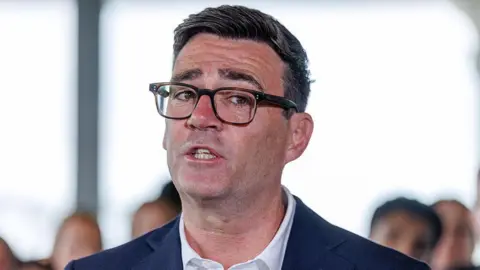
Burnham's spokesperson emphasized that the resources previously allocated to the digital ID scheme, which was criticized as a 'fiasco' by a cross-party committee, will now be redirected to areas where they are most needed. “All the time and resource that was going to be spent on a national ID scheme will go instead to where it's most needed, such as helping with the cost of living,” the spokesperson stated.49
The digital ID scheme, estimated to cost around £1.8 billion ($2.4 billion) over three years, faced significant backlash from both the public and opposition parties. Critics, including Conservative MP Julia Lopez, accused Labour of wasting taxpayer money on the project. “Labour have wasted millions of pounds on this project and now Andy Burnham is trying to pretend he's riding to the rescue,” she remarked.8
Burnham's decision to abandon the scheme is seen as a response to widespread concerns about government overreach and data privacy. “People will be hugely relieved to know they are no longer set to be forced to hand over their data just to go about their daily lives,” said Liberal Democrat MP Lisa Smart. As Burnham prepares to take office, he aims to prioritize the immediate needs of the public, stating, “One of the first things this government will do is put its focus where people need it right now.”
“The digital ID scheme, deemed a 'fiasco' by a cross-party committee, was estimated by the OBR to cost £1.8 billion over three years. Opposition politicians accused Burnham of political posturing, with Conservative MP Julia Lopez saying he was 'trying to pretend he's riding to the rescue.'”

 BBC
BBC The Guardian



