- Local AI models like Qwen 3.8 Flash Next require balancing RAM and GPU memory for optimal performance.
- AMD's Ryzen AI Max PRO 400 supports up to 192GB unified LPDDR5X memory for local large language models (LLMs).
- Qualcomm is pushing ARM further into mainstream Windows laptops, while NVIDIA targets high-end AI systems with an ARM-based platform.
- Lenovo's Project AeroBlade replaces fans with Frore Systems AirJet modules for thinner, quieter laptops.
- IFA 2026 shows that PC progress is becoming a balancing act of memory, AI, and efficiency.
- Emerging hardware trends, such as unified memory systems, aim to reduce latency and improve efficiency, offering new options for AI workloads.
- Memory architecture, local AI acceleration, and power efficiency are increasingly determining what a computer can sustain.
- High-capacity GPUs are expensive and often difficult to source, posing a challenge for budget-conscious users.
At IFA 2026, the PC industry is witnessing a pivotal shift towards memory architecture and AI efficiency. AMD's Ryzen AI Max PRO 400 platform supports up to 192GB of unified LPDDR5X memory, allowing processors and GPUs to share a memory pool, enhancing performance for local AI workloads.257
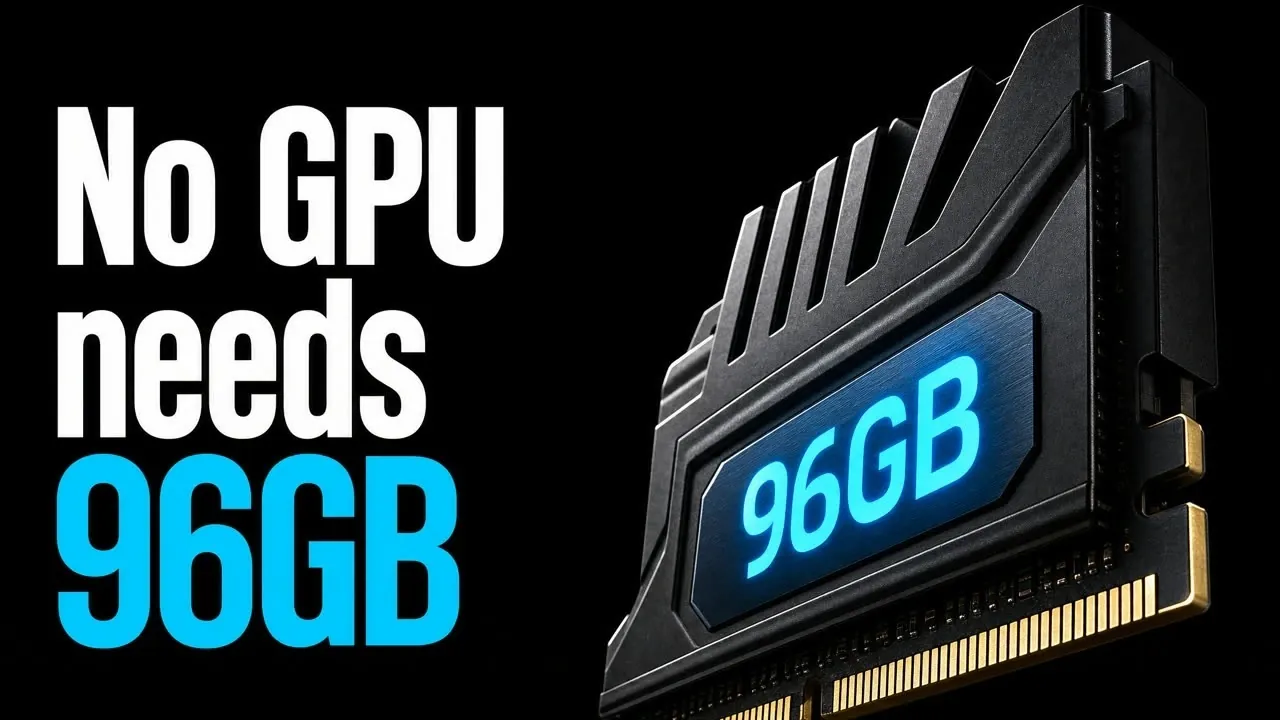
The Qwen 3.8 Flash Next model, a 125-billion-parameter AI system, exemplifies the challenges of deploying advanced AI locally, often exceeding consumer-grade GPU memory limits. This necessitates offloading components to system memory, which, while more affordable, introduces latency issues.1
Emerging trends like unified memory systems aim to mitigate these latency challenges, integrating processor and memory into a shared pool. This evolution indicates that headline processor speeds no longer fully represent performance, as memory bandwidth and efficiency play crucial roles.
/pcq/media/media_files/2026/09/08/ifa-2026-shows-why-the-next-pc-battle-2026-09-08-13-08-01.jpeg)
Despite the advantages of large memory capacities, caution is warranted; the 273 GB/s bandwidth of AMD's platform is still below that of specialized AI hardware. The competition is intensifying, with Qualcomm and NVIDIA also pushing innovations in ARM-based systems and high-end AI solutions, respectively.3
As the landscape evolves, the decision to upgrade memory or invest in GPUs will depend on specific workloads and latency sensitivity, marking a significant transformation in PC performance dynamics.
“AMD's platform offers about 273 GB/s bandwidth, still below datacenter-class HBM, so large models run slower than on specialized hardware. Lenovo's Project AeroBlade replaces fans with Frore Systems AirJet modules, but power, cooling, cost, and reliability remain open questions.”
 Geeky Gadgets
/pcq/media/member_avatars/pcquest (1).png) PCQuest
PCQuest