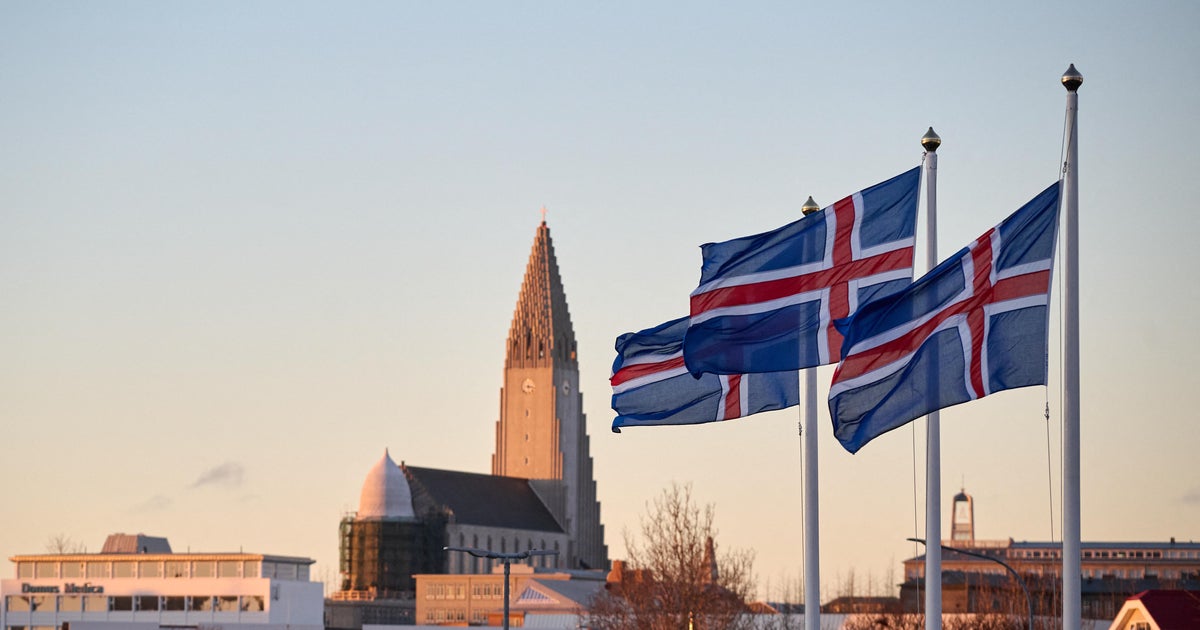
- Iceland has voted against reopening negotiations on joining the European Union in a setback to the country’s long-running debate over membership.
- In a yes-or-no referendum on Saturday, 118,000 people voted against joining (52.9 per cent), while 105,000 voted in support (47.1 per cent). The turnout was 81.6 per cent.
- Final results showed the 'No' camp secured victory with 52.8% of the votes, while the 'Yes' camp garnered 47.2% support, the official count published by public broadcaster RUV showed.
- Iceland originally applied for EU membership in 2009 under a centre-left government, following the collapse of its banking sector in 2008.
- Accession talks were suspended in 2013 after a euroskeptic government took office.
- Iceland's current left-leaning government, elected in 2024, originally vowed to hold a referendum next year but brought the vote forward because of rising geopolitical tension over Russia's war in Ukraine and Greenland.
Iceland's recent referendum on EU membership saw a significant majority of voters, 52.8%, reject the idea of reopening accession talks. The 81.6% turnout indicates strong public engagement in the decision, which reflects deep-rooted concerns over national sovereignty and the fishing industry.13
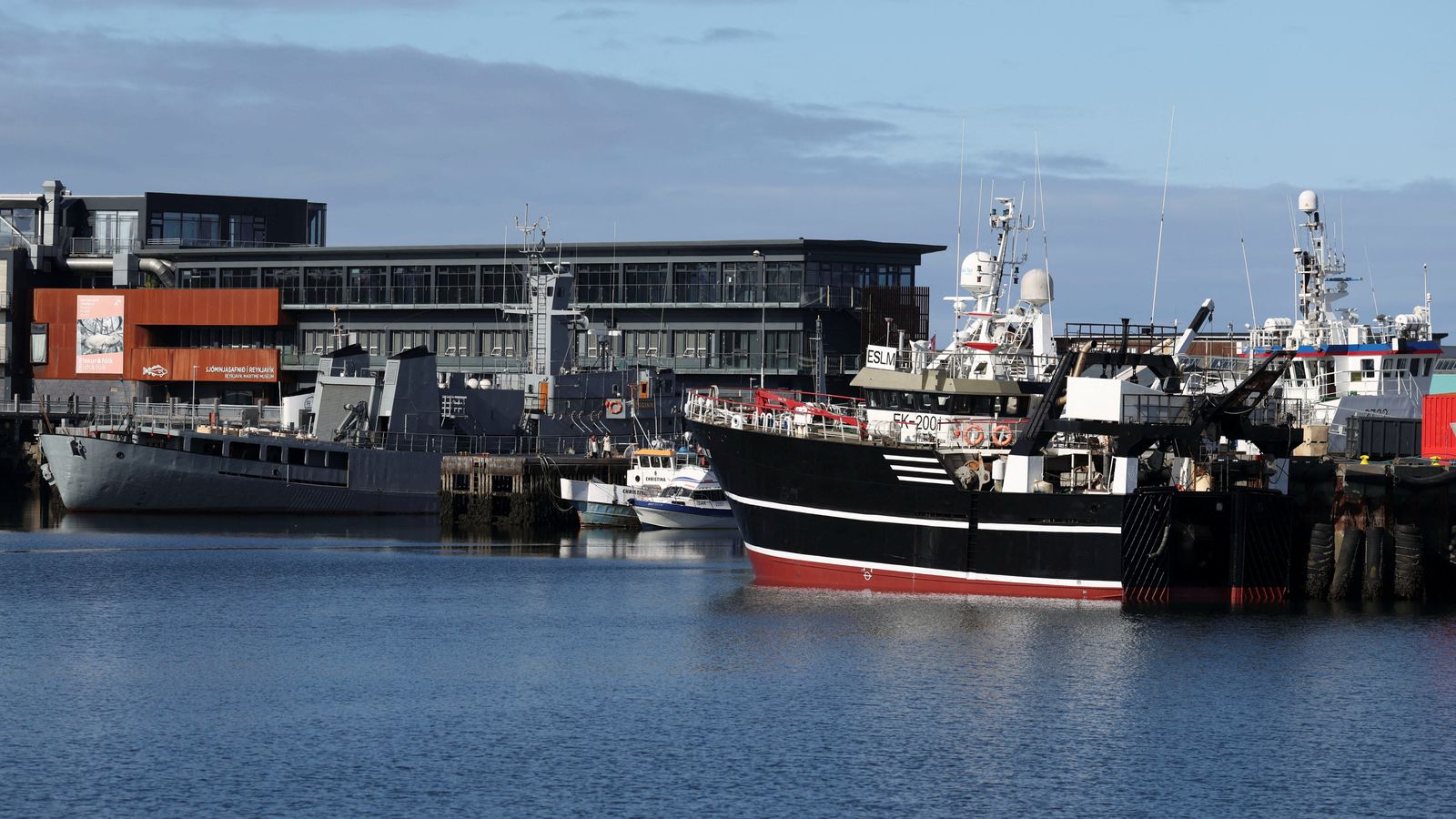
The fishing sector, a vital part of Iceland's economy, has been a major point of contention, with 90% of industry players opposing EU membership due to fears of losing control over valuable fishing rights. The country's waters, rich in prized cod and haddock, are seen as essential economic assets that many voters believe should remain under national control.
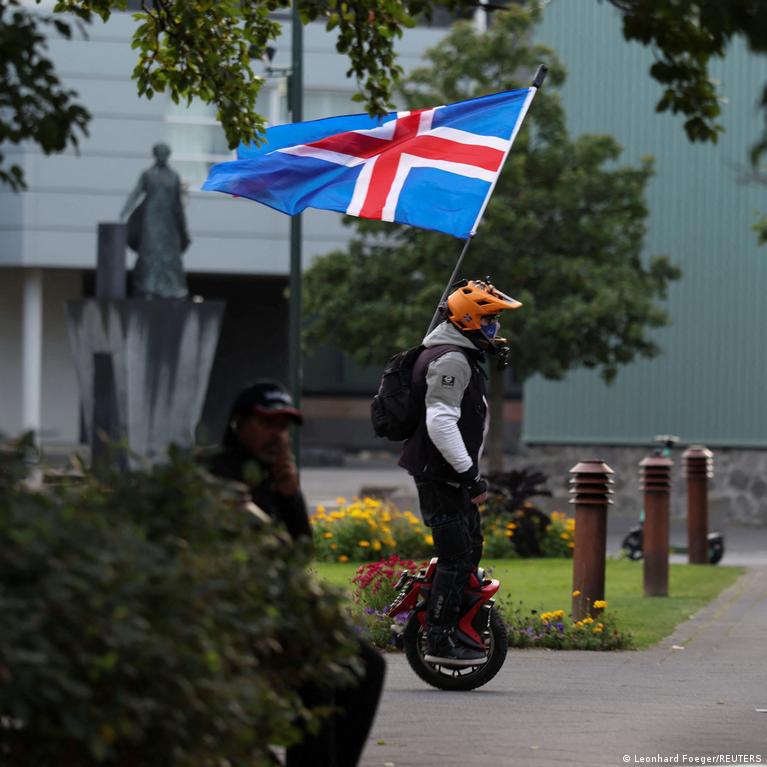
Originally applying for EU membership in 2009 after the financial crisis, Iceland's accession talks were suspended in 2013 when a euroskeptic government took office. The current left-leaning government, elected in 2024, had initially planned to hold the referendum next year but expedited it due to rising geopolitical tensions, particularly related to Russia's war in Ukraine.456
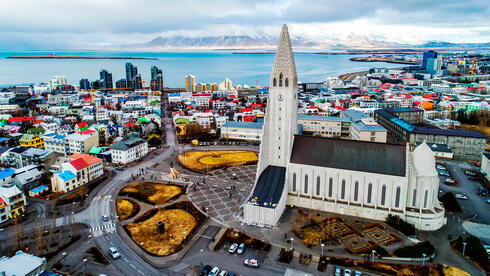
The capital, Reykjavik, was the only area to support the referendum, highlighting a divide in public opinion. The outcome is a disappointment for the EU, which had hoped to welcome Iceland as a member, potentially influencing other wealthy nations like Norway to consider membership.
“The 'No' camp's victory, with 52.8% of votes, marks a setback for Brussels, which had hoped to welcome a wealthy democratic nation. Fishing rights were a major concern, with 90% of industry players opposed, and Reykjavik was the only area to support the referendum.”


 The Times
 DW.com