- A close race is expected, with a final poll indicating 50.4% plan to vote yes and 49.6% no.
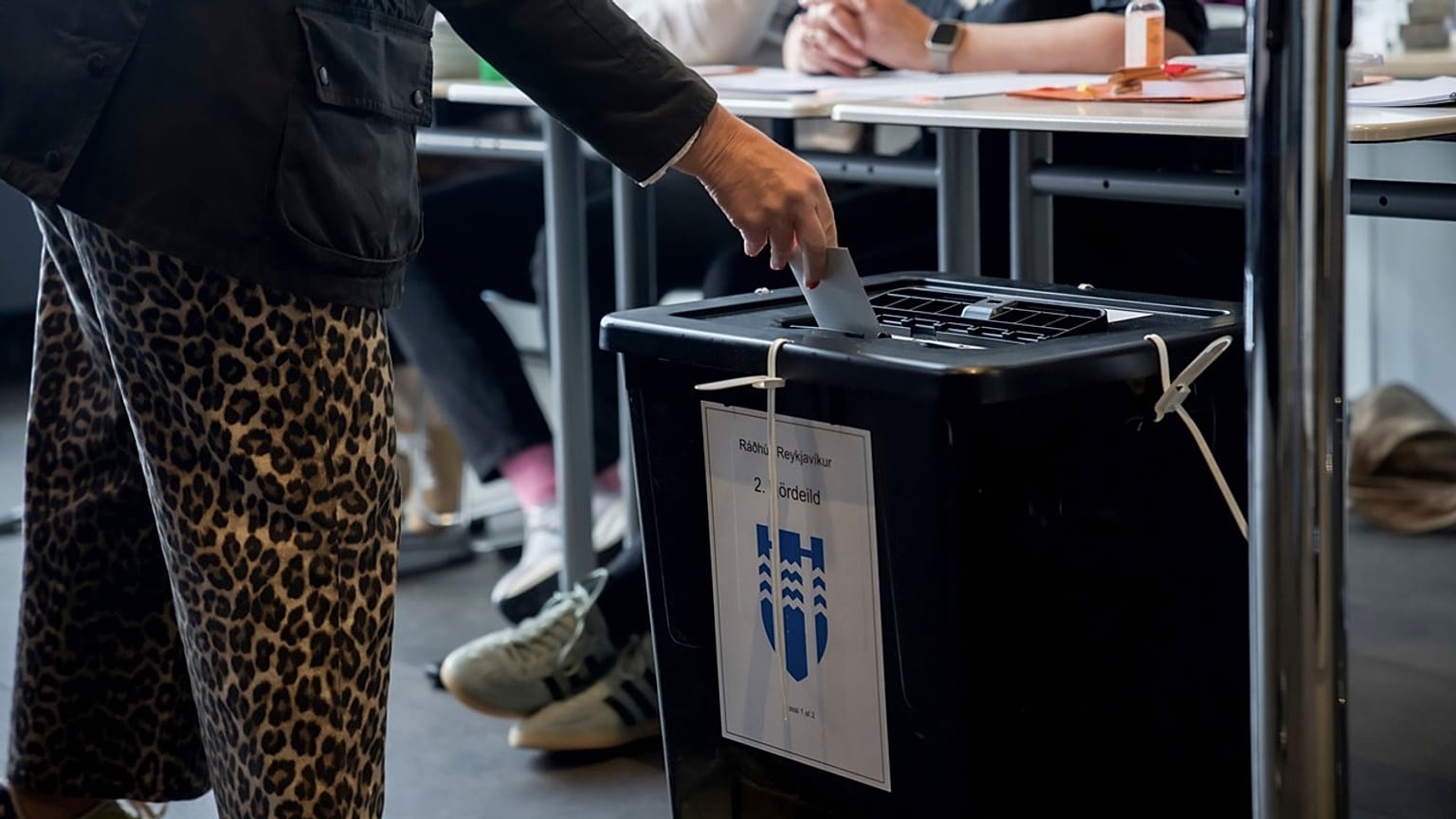
- Voting began in the referendum on resuming EU membership talks, with preliminary turnout in Iceland's EU referendum being high, with 13.7% voting by noon in Reykjavík North and just over 14% in Reykjavík South, compared to just over 10% and 11% respectively in the 2024 parliamentary election.
- Supporters argue EU membership would bring Iceland closer to European neighbours to tackle cross-border issues like climate change, and that the euro would offer more stability than the volatile króna.
- Opponents say Iceland already enjoys benefits of European integration without sovereignty compromises, citing trade deals like one with China that are more favourable.
- Voters expressed contrasting views: Unnur Jokulsdottir, a 71-year-old retiree, said "I think that we should be a part of a bigger unity," while Olafur Thorsson, a 53-year-old fish trader, called the EU "a sort of big economic prison."
- A yes vote would trigger renewed negotiations with the European Commission covering 35 areas, including fisheries, which Iceland wants to keep exclusive control over; security concerns from Russia's invasion of Ukraine and Trump's threats over Greenland also weigh on voters.
Icelanders are casting their votes today on whether to reopen EU membership talks, with preliminary turnout figures indicating a potentially close outcome.
By noon, voter turnout in Reykjavk North reached 13.7%, surpassing the 10% turnout during the 2024 parliamentary election. In Reykjavk South, turnout was just over 14%, compared to 11% in the previous election. More than 20% of voters had already cast early ballots, according to national broadcaster RV.234
A recent poll suggests a tight race, with 50.4% of voters supporting a yes vote and 49.6% opposing it. Proponents of EU membership argue that closer ties with Europe are essential for addressing cross-border issues like climate change and that adopting the euro could stabilize Iceland's economy, which currently relies on the volatile krna.156
However, opponents maintain that Iceland already benefits from European integration without compromising sovereignty. They point to favorable trade agreements, such as one with China, as evidence of the current setup's effectiveness.78
Voter sentiments reflect this divide. Unnur Jokulsdottir, a 71-year-old retiree, expressed support for EU membership, stating, "I think that we should be a part of a bigger unity. I think it's worth looking into it." In contrast, Olafur Thorsson, a 53-year-old fish trader, voiced skepticism, saying, "I used to like the European Union back when it was a good thing. But today it's become a sort of big economic prison."910
Iceland, with a population of just under 400,000, applied for EU membership following a financial crisis in 2009. Membership talks were suspended in 2013 when a eurosceptic government took power. A yes vote would initiate negotiations covering 35 areas, including the economy and human rights, with fisheries being a critical issue for Iceland's economy.
The geopolitical landscape, influenced by Russia's invasion of Ukraine and concerns over U.S. foreign policy, has further complicated Icelanders' views on EU membership.11121314
“A yes vote would trigger renewed negotiations with the European Commission covering 35 areas, including fisheries, which Iceland wants to keep exclusive control over. Security concerns from Russia's invasion of Ukraine and Trump's threats over Greenland also weigh on voters.”

 Euronews.com