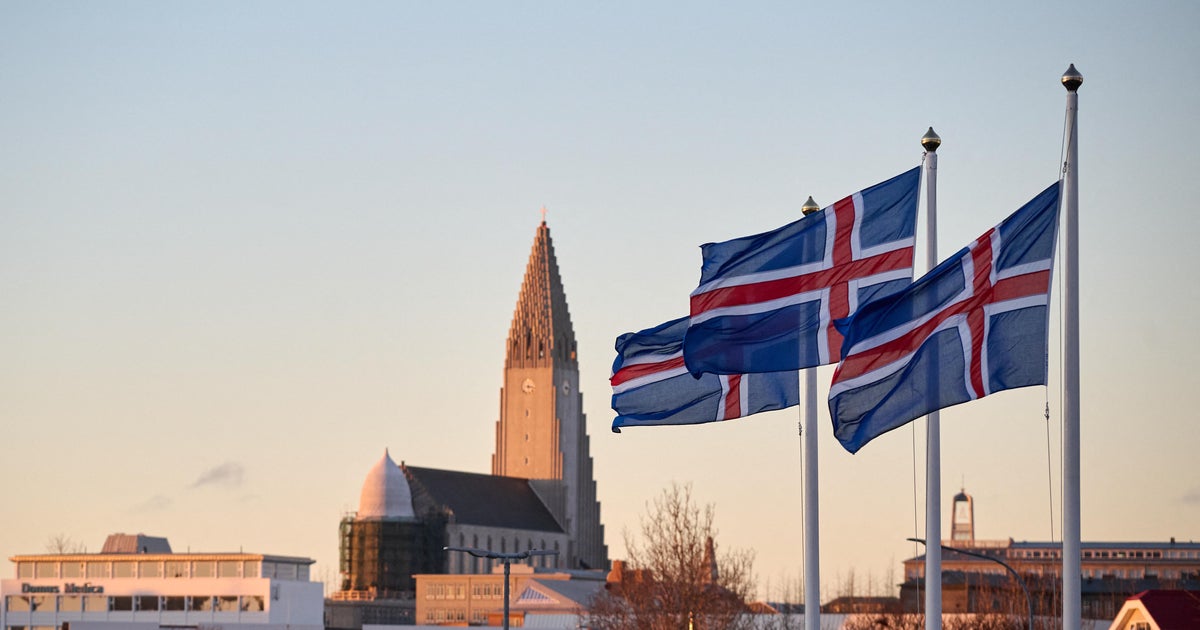
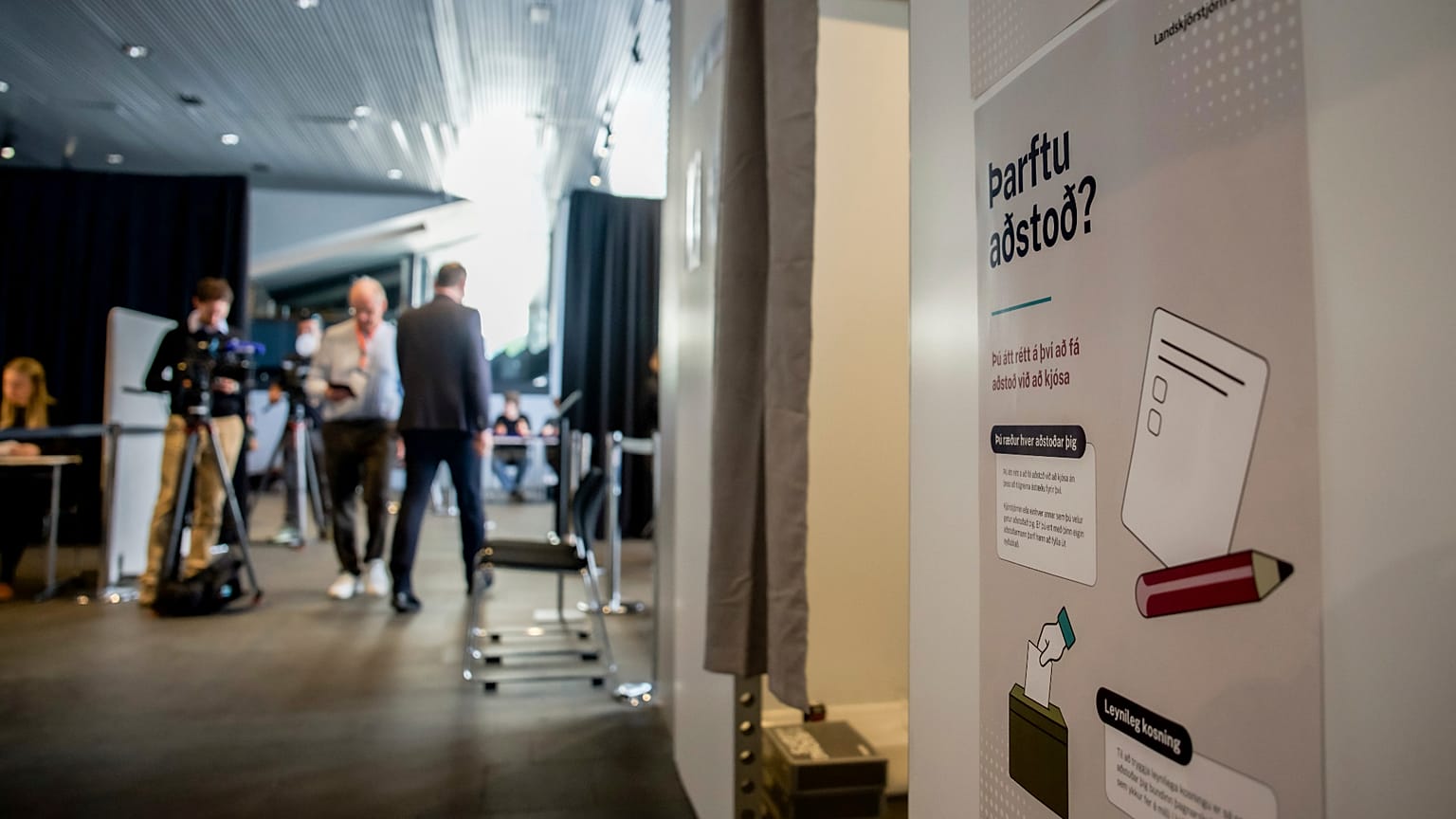
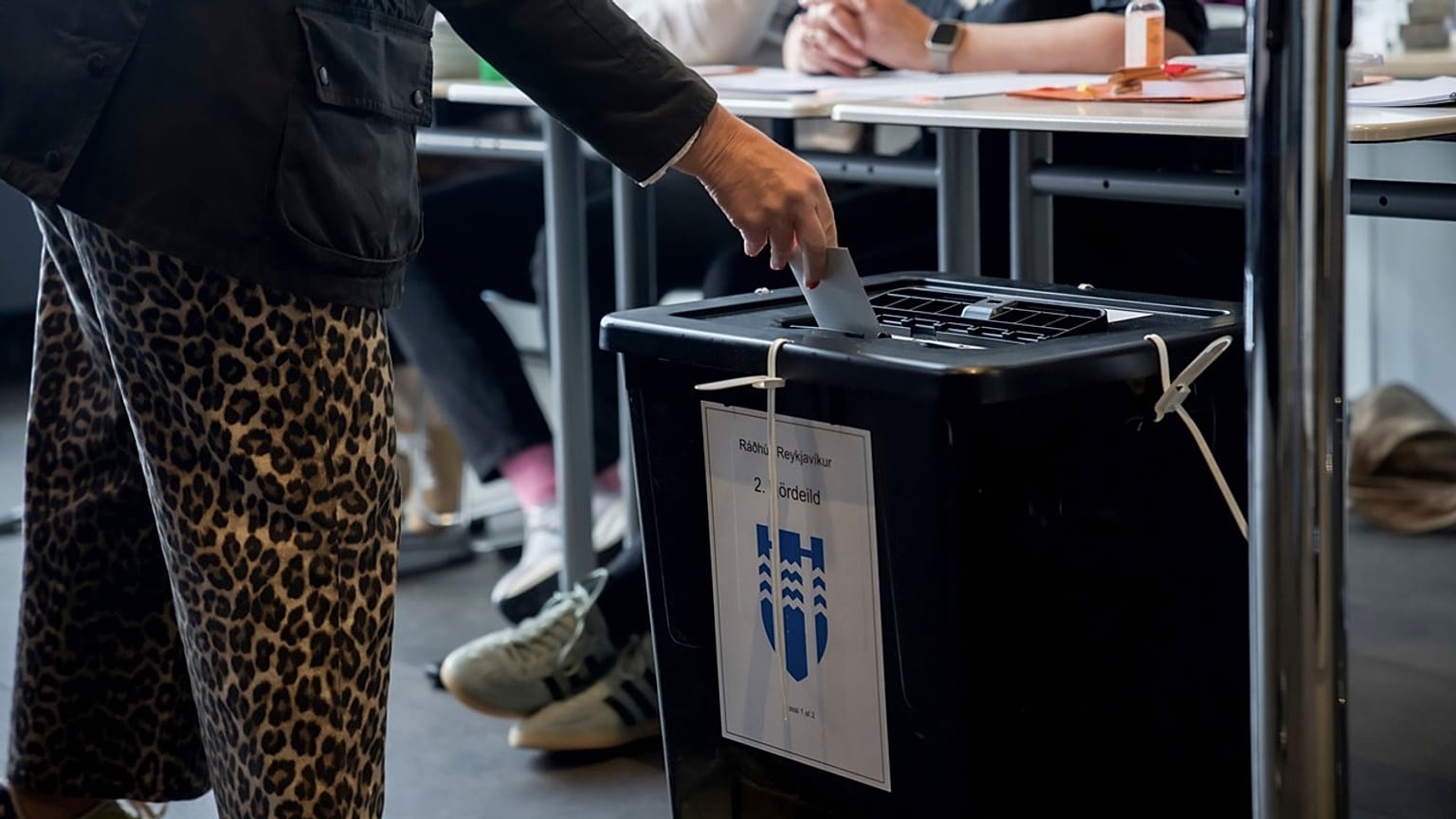
- In a referendum held on August 30, Icelanders voted against resuming EU membership talks, with the "no" side securing 52.8% of the vote.
- As a result, the country of 400,000 people will not resume negotiations with Brussels toward potentially joining the European Union (EU); previous negotiations had begun in 2009 and were suspended six years later.
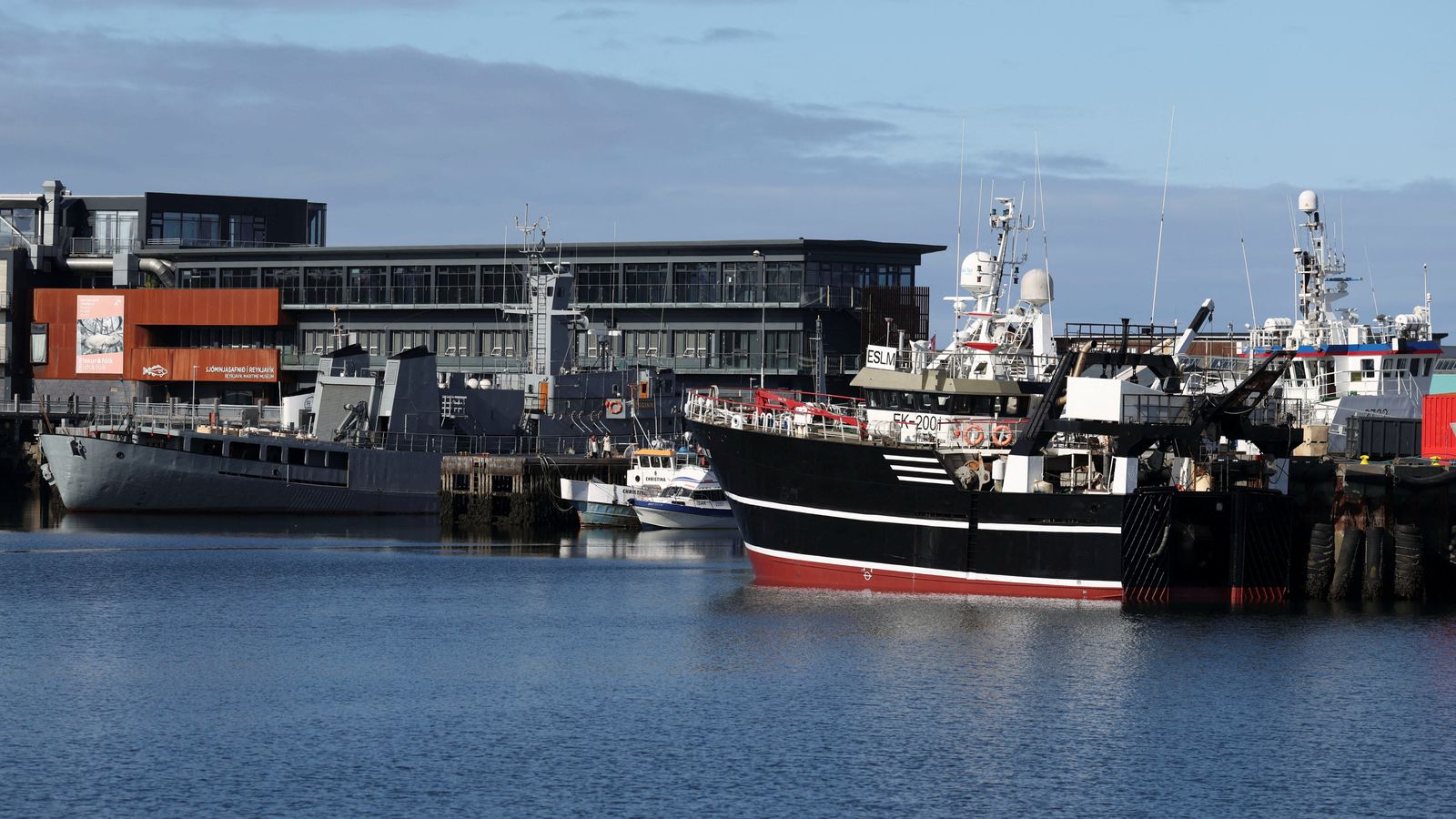
- The victory for the "no" camp is a win for the euroskeptic and conservative Independence Party and the influential fishing industry, which argued that resuming talks risked losing sovereignty over the fishing sector, accounting for 40% of exports and 7% of GDP.
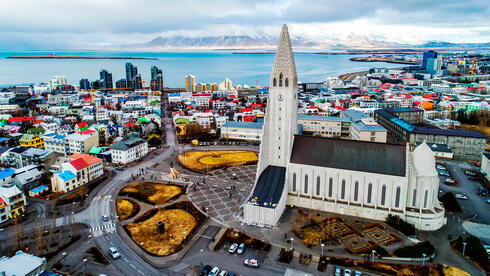
- The vote revealed a divide between the pro-European capital, Reykjavik, and the country's other four electoral districts, where residents mostly voted against reopening talks.
Iceland's recent referendum has resulted in a clear rejection of EU membership talks, with 52.8% of voters siding with the 'no' camp. This decision halts any potential negotiations with Brussels, which had previously been suspended in 2015 after starting in 2009.12
The referendum results, announced at 3:15 am on August 30, showed a significant shift as the 'yes' camp initially led the vote count. The final outcome reflects a strong turnout among opponents of EU membership, particularly in regions outside the capital, Reykjavik, where the majority voted against reopening talks.4
The victory for the 'no' side is largely attributed to the euroskeptic Independence Party and the influential fishing industry, which argued that EU negotiations could jeopardize Iceland's sovereignty over its fishing sector. This sector is vital to the Icelandic economy, accounting for 40% of exports and 7% of GDP. The results underscore a deep divide in public opinion regarding EU membership, highlighting the contrasting views between urban and rural voters.3
As Iceland moves forward, the implications of this referendum will likely resonate in its political landscape and economic policies, particularly concerning its fishing industry and relations with the EU.
“The vote exposed a divide between pro-European Reykjavik and the other four districts, which mostly opposed reopening talks. The result is a win for the Independence Party and fishing industry, which argued that talks risked losing sovereignty over a sector accounting for 40% of exports and 7% of GDP.”


 Le Monde.fr