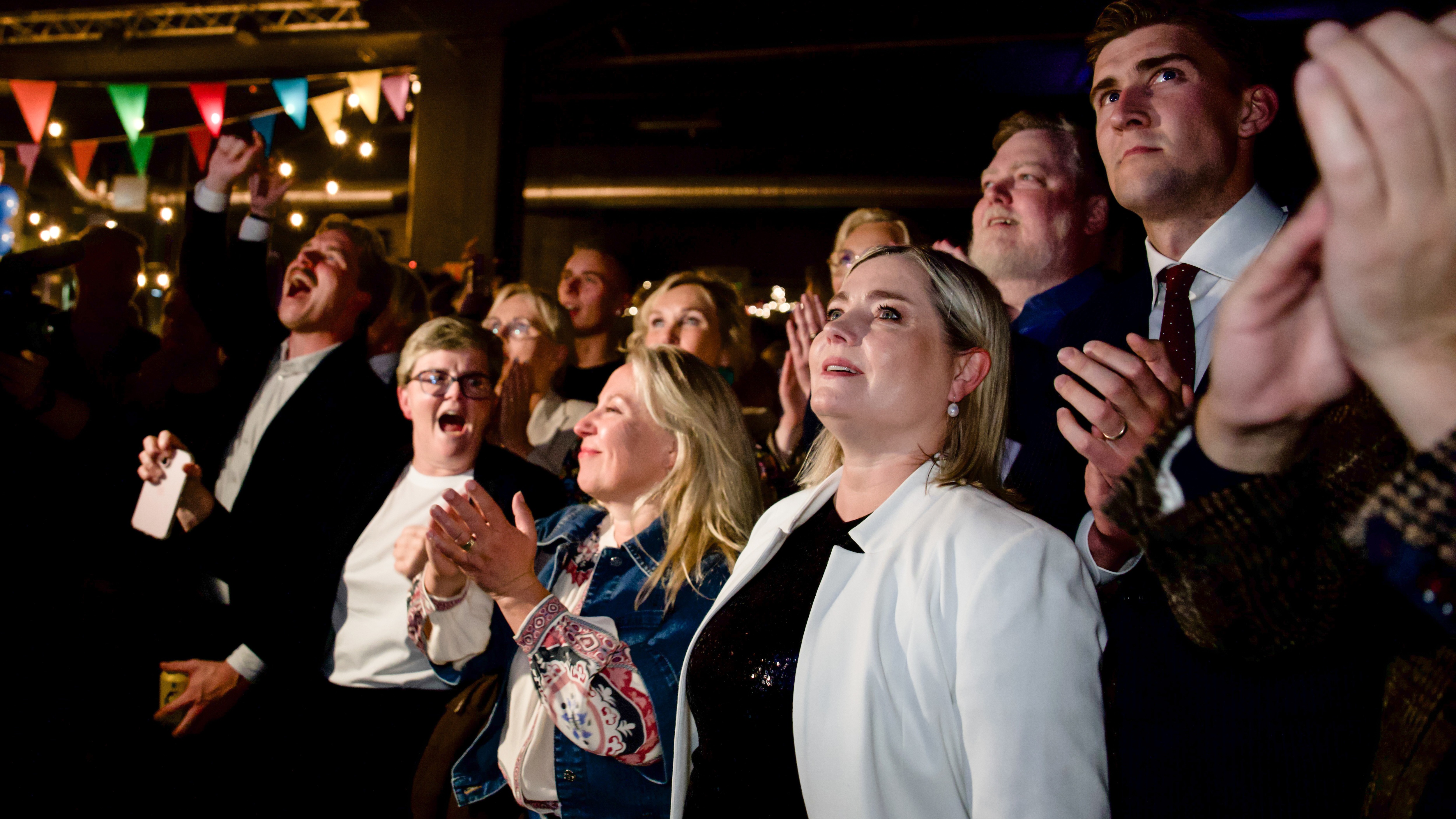
- Voters in Iceland rejected proposals to restart EU negotiations in a tightly-contested referendum, with opponents defeating the measure by a margin of 52.8% to 47.2%, according to Icelandic broadcaster RÚV.
- Turnout was high with more than 82% of the eligible 270,000 voters casting ballots.
- Reykjavik was the only area in the island nation of 400,000 people where a majority supported the referendum.
- The country's left-leaning coalition government, elected in 2024, moved up the EU referendum it had planned for next year after Trump mistakenly named Iceland four times while speaking about Greenland.
- The vote was held in the shadow of repeated threats by US President Donald Trump to take control of Greenland, a self-governing territory of Denmark that lies 180 miles away from Iceland.
- The influential fishing industry led opposition to the referendum over fears the bloc’s common fisheries policy would open its waters to Spanish, Dutch and other trawlers, and opponents also cited Iceland's history of refusing to be pushed around by bigger European nations, including winning the Cod Wars with Britain in the 1970s.
- Opponents also rallied around the fact that Iceland already reaps benefits from being in the EU’s frictionless single market and the Schengen free-travel zone without the sovereignty compromises that come with full membership, while backers said EU membership would lower inflation and interest rates and the euro would bring more stability than Iceland’s volatile króna.
- Prime Minister Kristrún Frostadóttir, who campaigned in support of the measure, said she hoped the result would not divide the nation, adding: “I don’t feel that there is bitterness.”
Iceland voters have decisively rejected a referendum to restart negotiations for EU membership, with 52.8% opposing the measure compared to 47.2% in favor. The vote, held amidst geopolitical tensions, saw only Reykjavik supporting the proposal, highlighting a significant divide in public opinion.4
The high turnout of over 82% among the 270,000 eligible voters reflects the contentious nature of the debate, which centered on national sovereignty and control over Iceland's valuable fisheries. The influential fishing industry led the opposition, fearing that EU membership would compromise their interests under the bloc's common fisheries policy.3
Prime Minister Kristrún Frostadóttir, who backed the measure, expressed hope that the outcome would not create division within the nation. “I don’t feel that there is bitterness,” she stated, emphasizing the need for unity despite differing opinions. The referendum was expedited by the left-leaning coalition government following remarks from US President Donald Trump regarding Greenland, which reignited discussions about Iceland's geopolitical position.61112
Opponents of EU membership argued that Iceland already benefits from the EU's single market and Schengen zone without the need for full membership, while proponents claimed that joining the EU would stabilize the economy by lowering inflation and interest rates. Iceland's history of resisting larger nations, particularly during the Cod Wars with Britain, also played a role in shaping public sentiment against EU membership.78910
“The vote was held amid US President Donald Trump's repeated threats to take control of Greenland, which lies 180 miles away, prompting the left-leaning government to move up the referendum. Prime Minister Kristrún Frostadóttir, who campaigned for the measure, said she hoped the result would not divide the nation.”