- Iceland counted ballots late on Saturday after a close-fought referendum on whether to reopen European Union membership talks, with islanders focused on the cost of living, security, sovereignty and control over the country’s fisheries.
- Voting ended at 22:00 GMT, and a reliable result might not be available until midday on Sunday, election officials said.
- On Friday, a poll suggested a narrow majority opposed the government’s proposal of reopening negotiations, a slight shift from earlier surveys that pointed to a narrow lead for supporters of renewed talks.
- A “yes” vote would open the way to discussions with Brussels, and Iceland would have to hold a second referendum, likely several years later, on whether to join the EU.
- “Yes” campaigners backing talks say joining the bloc could ease high interest rates and offer more security in a world unsettled by the war in Ukraine and U.S. President Donald Trump’s threats over another Arctic island, Greenland.
- “No” campaigners argue EU membership would threaten the island’s sovereignty and fishing waters.
Iceland is counting ballots from a closely contested referendum on whether to reopen European Union membership talks, with results expected by midday Sunday. The referendum has drawn significant attention as it touches on critical issues such as cost of living, security, sovereignty, and control over fisheries.178
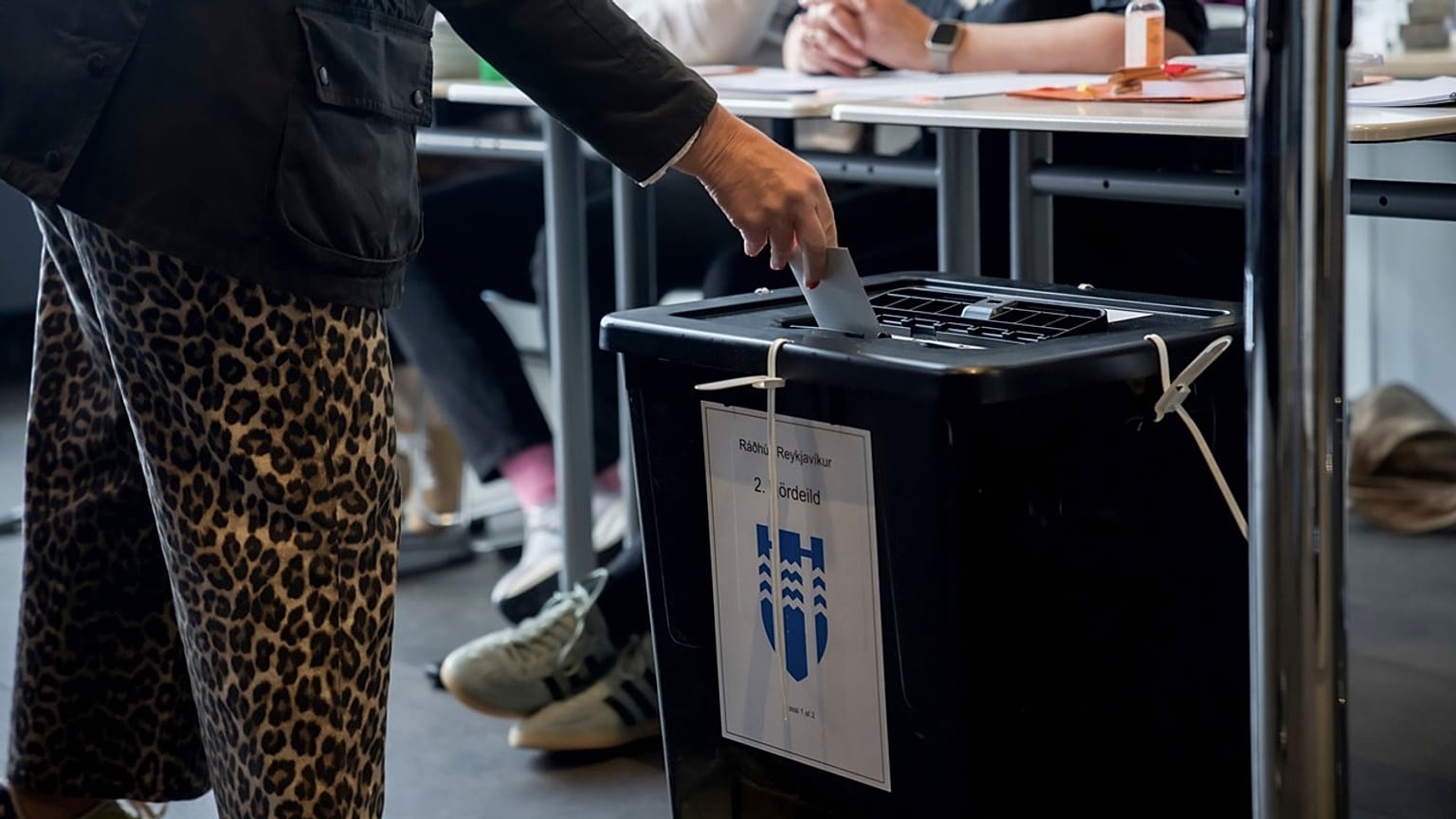
Voting concluded at 22:00 GMT, initiating a complex process to transport ballots from various polling stations across the island. Election officials indicated that a reliable result might not be available until midday Sunday.23
Recent surveys suggested a narrow majority opposed the government's proposal to reopen negotiations, marking a slight shift from earlier polls that favored supporters of renewed talks. “Yes” campaigners argue that EU membership could alleviate high interest rates, currently at 8.00% in Iceland compared to 2.25% at the European Central Bank, and provide greater security amid global uncertainties, including the war in Ukraine.4
Conversely, “No” campaigners contend that EU membership would jeopardize Iceland's sovereignty and control over its fishing waters. A 'yes' vote would pave the way for discussions with Brussels, but Iceland would need to hold a second referendum, likely years later, to finalize any decision on joining the EU. Iceland first applied for EU membership in 2009 during a financial crisis, but talks were shelved in 2013 by a Eurosceptic government.56
“A 'yes' vote would trigger negotiations with Brussels but Iceland would need a second referendum, likely years later, to actually join. 'No' campaigners warn membership could threaten the island's sovereignty and fishing waters, while 'yes' backers cite high interest rates and security concerns amid Trump's Greenland threats.”


 The Globe and Mail