- Hungary has ordered 10 Russian diplomats to leave the country, accusing them of “unacceptable” activities that it says are incompatible with their diplomatic status.
- Russia's Foreign Ministry promised a 'harsh and painful' response, according to spokeswoman Maria Zakharova.
- EU spokesman Christian Wigand called the decision 'legitimate' and stated that the EU will continue to coordinate closely on the situation.
- Former Prime Minister Viktor Orban, who lost the elections last April after 16 years in power, reportedly told Russian President Vladimir Putin: “I am at your service” during last year’s phone call.
- Since taking office in May, Hungary's new prime minister, Peter Magyar, has sought to mend ties with the EU and Ukraine that were tense under his predecessor.
- Hungary was one of the few EU allies to Russia after its full-scale invasion of Ukraine in 2022.
- The expulsions mark a sharp shift in Budapest's approach toward Moscow following the election of Prime Minister Peter Magyar earlier this year, ending the Russia-friendly government of former Prime Minister Orban.
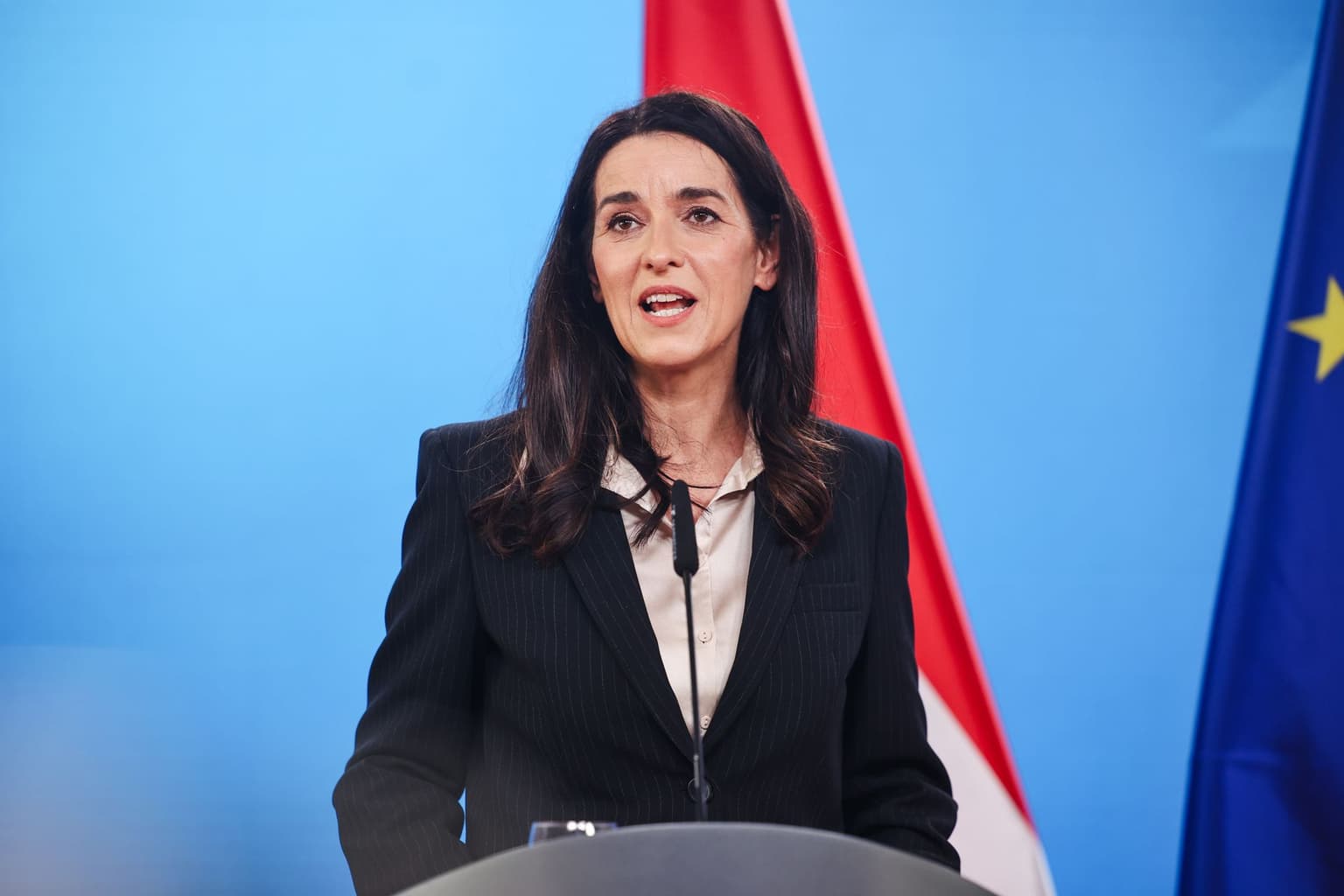
Hungary has ordered the expulsion of 10 Russian diplomats for activities incompatible with their diplomatic status, a move announced by Foreign Minister Anita Orban. This decision, made on September 8, is seen as a significant shift in Hungary's foreign policy under the new Prime Minister Peter Magyar, who has sought to distance the country from its previous Russia-friendly stance.
Orban emphasized that the expulsions were necessary to protect Hungary's security and sovereignty, stating, "This decision protects Hungary's security and sovereignty." She clarified that this action does not equate to severing diplomatic relations with Russia, as Hungary intends to maintain dialogue based on mutual respect.
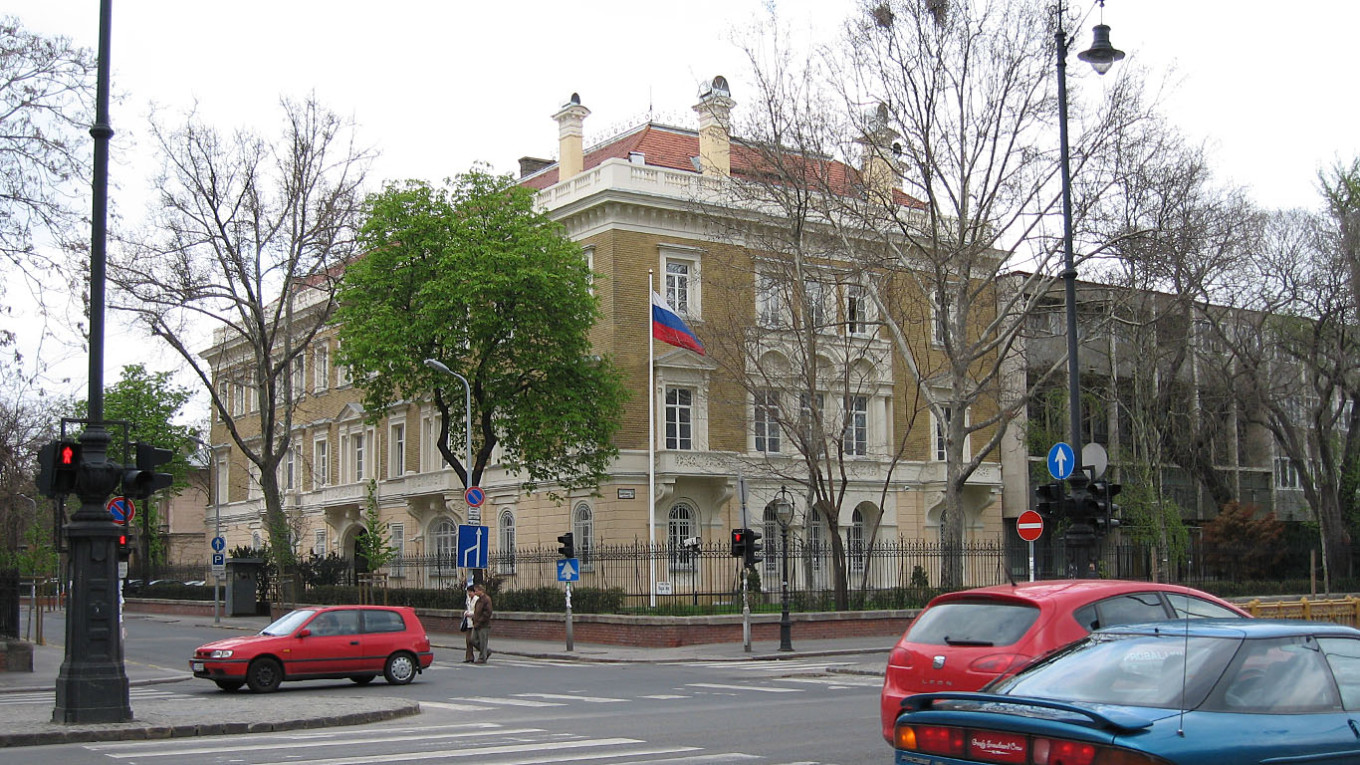
In response, Russia's Foreign Ministry, represented by spokeswoman Maria Zakharova, warned of a 'harsh and painful' retaliation, indicating the potential for escalating tensions. Zakharova stated, "The response to the Russophobic lobby in Budapest will be harsh and painful."2
This expulsion comes as Hungary's government adopts a more pro-European stance, contrasting sharply with the previous administration's close ties to Moscow. The new government has also expressed intentions to restore relations with Ukraine, linking this effort to the rights of Hungarians in Transcarpathia. Ukraine's Foreign Minister Andrii Sybiha praised Hungary's decision as "very timely and sensible," asserting it would enhance Hungary's security.
The move reflects a broader shift in Hungary's foreign policy, as it now views Russia as a 'threat to Europe and the global order', a sentiment echoed in guidelines for its delegation attending the upcoming UN General Assembly.
“The expulsion marks a sharp shift under new Prime Minister Peter Magyar, who has sought to mend ties with the EU and Ukraine. Ukraine's Foreign Minister Andrii Sybiha called the move 'very timely and sensible,' while EU spokesman Christian Wigand said the bloc will 'continue to closely coordinate' the situation.”
 The Moscow Times