- Hungary released thousands of communist-era secret police records to the public on Wednesday as part of the country's long-delayed effort to come to terms with its repressive past.
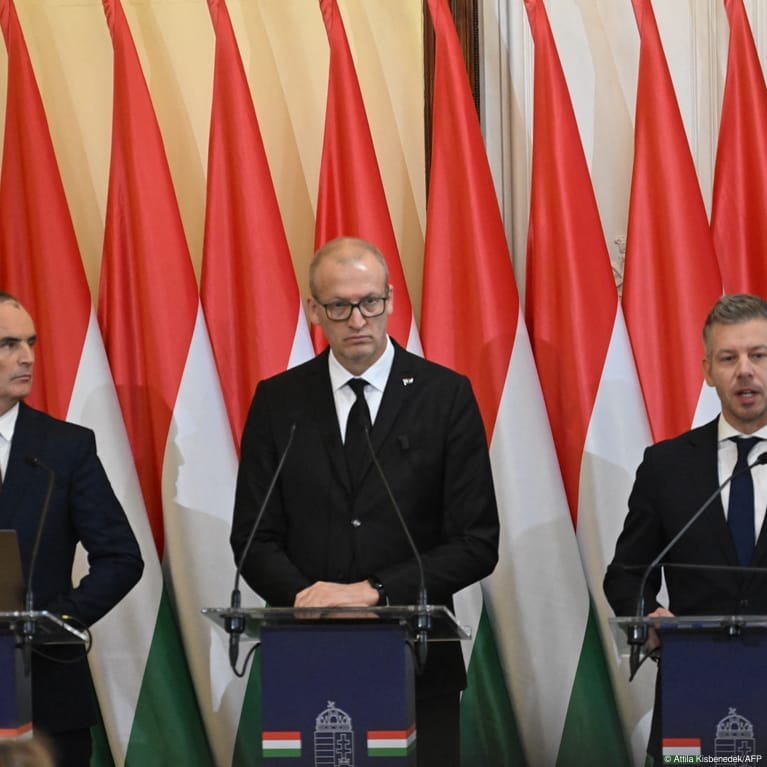
- Prime Minister Péter Magyar stated that 60,000 names had been made public in the new online database.
- The release date is symbolic as it coincides with the anniversary of the 1956 revolution when Soviet tanks rolled through Budapest.
- A second batch of files is expected to be made available by February.
- Magyar urged the public to treat this long-overdue publication with dignity and humanity, as many families will face difficult information.
- The communist-era secret police recruited an estimated 150-160,000 informers between 1944 and 1990.
- In 1989, after the fall of the Communist party, a promise was made to open the files, but successive governments have refused to do so.
- Since 1998, individuals could apply for their own files, but many names were blacked out and many files withheld.


Hungary has opened its communist-era secret police files to the public, revealing the names of 60,000 informants in a move aimed at reconciling with the past. Prime Minister Péter Magyar emphasized the importance of treating the release with dignity and humanity, acknowledging the emotional toll on families.1256
"After 36 years, we are finally fulfilling what was once one of the key promises of the 1990 regime change," Magyar stated, highlighting the significance of the release on the anniversary of the 1956 revolution. Critics argue that the files are incomplete and that the timing may exacerbate societal divisions. Magyar defended the initiative as a necessary step for healing, stating, "It is impossible to process a trauma without discussion and asking questions."

The files include personal data such as names, codenames, and recruitment motives, revealing the coercive tactics used by the regime. An estimated 150,000 to 160,000 people were recruited as informers between 1944 and 1990, often under duress. A second batch of files, known as the "B-dossiers," is set to be released on February 25, promising more detailed insights into the recruitment process.4
As Hungary confronts its past, the release of these files is seen as both a step towards transparency and a potential source of conflict within families and society at large.
“The symbolic date marks the 1956 Soviet crackdown, and the release fulfills a promise from the 1989 regime change that successive governments avoided. Historian Krisztian Ungváry calls access a citizens' right, while MEP Zsuzsanna Borvendég warns incomplete files risk misleading the public.”
DW.comBBC