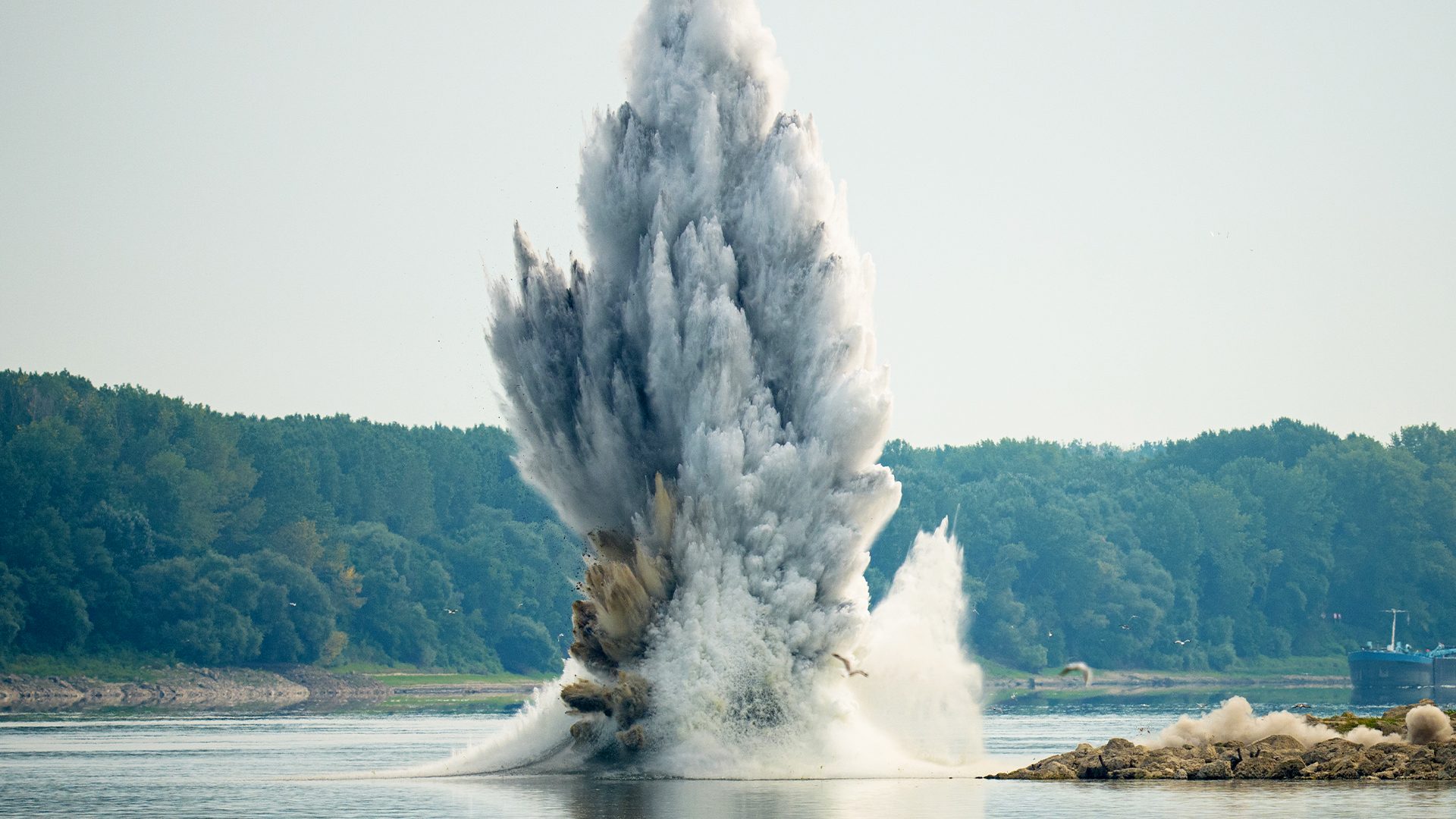
- Danube water levels have dropped to just 23 centimetres in Budapest as severe drought grips central Europe.
- Hungary is preparing to completely shut down its only nuclear power plant later this week because the river is too shallow to supply water for cooling.
- A heatwave has forced Romania to blast the Danube river to help a nuclear plant.
- Extreme weather is gripping much of the world, including wildfires in the US, floods in India, and the driest July on record for England and Wales.
Hungary's only nuclear power plant is facing shutdown as the Danube River's water levels plummet to just 23 centimeters in Budapest, a consequence of severe drought affecting central Europe.123
The situation has escalated to the point where Hungary must halt operations at the plant later this week, as the river's shallow depths render it incapable of providing adequate cooling water.
In Romania, the drought has triggered a state of emergency, prompting energy conservation measures that have already led to the suspension of production at two car manufacturers.
This extreme weather is part of a broader pattern of climate-related events, with wildfires in the US and floods in India highlighting the global impact of climate change.4
Experts warn that such heat extremes are increasingly likely due to carbon pollution from burning fossil fuels, underscoring the urgent need for sustainable energy solutions.
As Hungary grapples with these challenges, the implications for energy security and industrial output in the region remain significant.
“Water levels in the Danube at Budapest have dropped to just 23 centimetres as severe drought grips central Europe. Extreme weather is gripping much of the world, including wildfires in the US, floods in India, and England and Wales coming out of their driest July on record.”






