- Hungary's Paks nuclear plant is currently operating at just over 10% capacity due to record-low water levels in the Danube, which have fallen to around 10 cm in Budapest, below the previous all-time low of 33 cm in 2018.
- Romania's Nuclearelectrica shut down one of its two reactors early last week, prompting acting PM Ilie Bolojan to declare a nationwide energy-sector state of alert and a state of emergency throughout August.
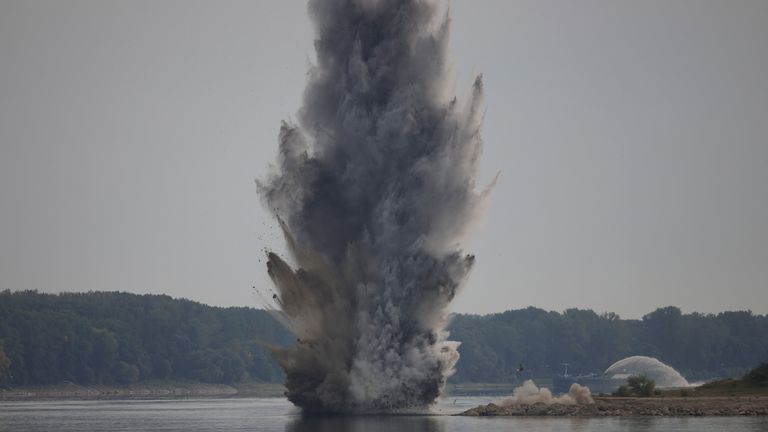
- On Monday, Romania's navy conducted a controlled blast using 180 kg of explosives to divert water towards the Old Danube and the Cernavodă nuclear power plant, although the plant may still need to suspend operations later.
- Voluntary cuts in electricity usage by households and companies in Hungary have reduced demand by 700 MW as the country braces for a potential complete shutdown of the Paks plant.
- Dacia and Ford have halted production in Romania until 19 August due to the energy crisis caused by drought affecting power generation capabilities.
- Record-low water levels in the Danube and other major rivers in Europe have severely curtailed electricity output and disrupted transport, raising concerns about the economic impact of the ongoing heatwave.
- Persistent drought and extreme heatwaves have led to a significant drop in the Danube's water flow, which has fallen to 1,500 cubic meters per second, less than a third of its July average.
- Romania is expected to face a significant energy deficit, particularly between 7pm and 11pm, relying on imported energy to meet demand.
Hungary's Paks nuclear plant, which typically provides about half of the country's electricity, is now operating at just over 10% capacity due to record low water levels in the Danube, which have fallen to 1,500 cubic meters per second, less than a third of its July average.1211
In response, Hungary's Prime Minister Péter Magyar warned that the country is facing its "most critical five days ahead" as the plant may shut down for the first time in 44 years. The Danube's low water levels have also led to power cuts and energy shortages across Europe, with Romania declaring a nationwide state of emergency.12
To mitigate the crisis, Romania's naval forces conducted a controlled explosion to divert water to the Cernavodă nuclear power plant, which is also struggling with cooling issues. The operation involved 180 kg of explosives to clear a rock obstructing water flow, a measure described as necessary to ensure the reactor's operation during extreme heat conditions.56
Romania's acting defense minister Radu Miruță hailed the operation as a success, emphasizing that any additional day of operation for the Cernavodă reactor is worth the cost of the explosion. Meanwhile, both countries are increasingly relying on expensive power imports as demand surges amid the ongoing heatwave.
As the situation escalates, authorities are urging citizens to voluntarily reduce electricity consumption, with Hungary reporting a reduction of 700 MW in demand due to such measures.78
The drought has not only impacted nuclear power but has also severely affected hydropower plants in Serbia, which are operating at only 20% capacity.
“Romania has declared a nationwide state of emergency throughout August after the Danube's flow fell to 1,500 cubic meters per second, less than a third of its July average. Dacia and Ford suspended production until 19 August, while PM Bolojan warned Romania will face a significant supply deficit between 7pm and 11pm.”


 The Guardian



