- Human Rights Watch has urged Bangladesh to end the indefinite pretrial detention of political opponents, highlighting that at least 10 Awami League office holders have died in prison since February 2026.
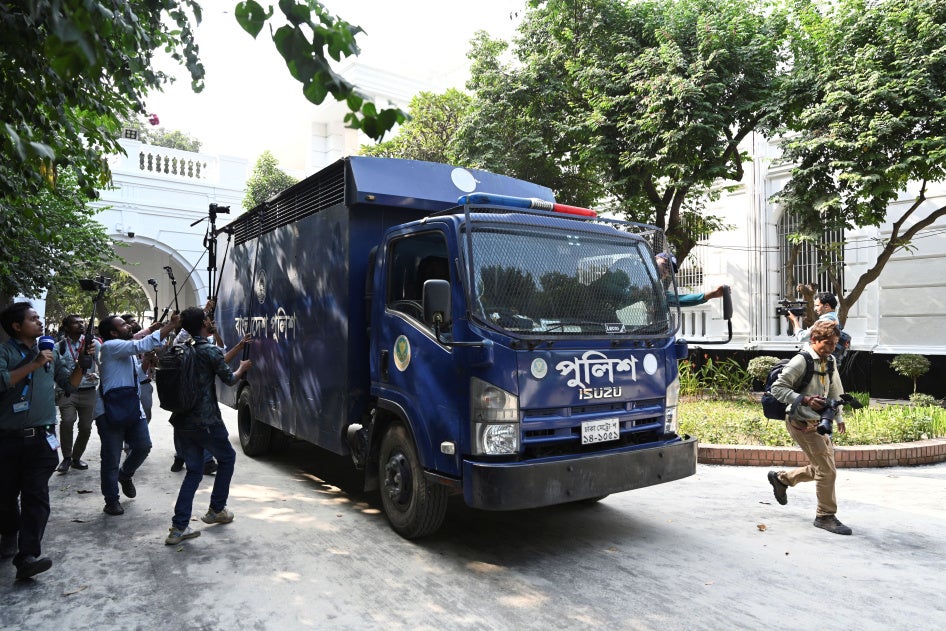
- Since Sheikh Hasina was forced to step down in August 2024, police have detained thousands of party officials and supporters, with hundreds remaining in prison without charges.
- The High Court granted bail to ABM Khairul Haque on May 12, 2026, but police filed another murder charge, preventing his release until August 19, 2026.
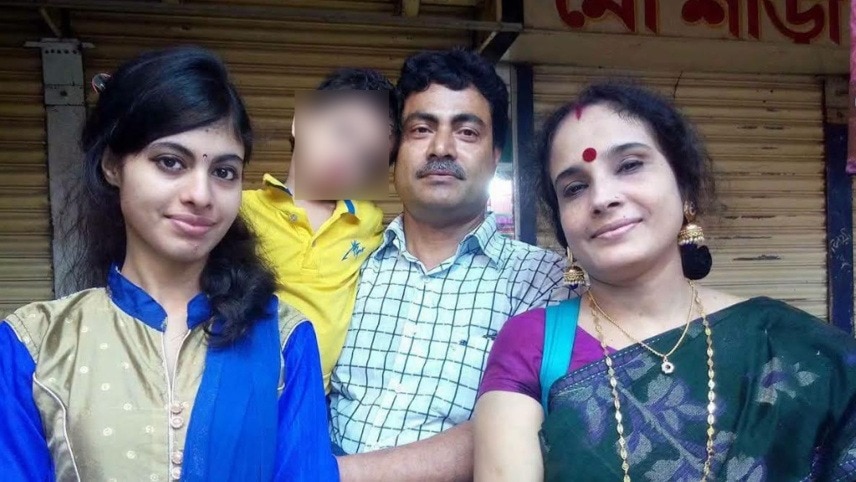
- Ramesh Chandra Sen, a former Awami League lawmaker, died in detention on February 7, 2026, after being denied proper medication.
- SM Ziaul Haque Zia died on April 14, 2026, after being denied bail while in poor health.
- Many detainees, including former Awami League members and activists, have been held without charge, facing serious health issues and denied basic rights.
- The Bangladesh International Crimes Tribunal has not released any of the over 160 people it has detained, who have no right to appeal bail rejections.
Human Rights Watch has urged the Bangladeshi government to end the prolonged pretrial detention of political opponents, citing alarming conditions in prisons where at least 10 Awami League officials have died since February 2026, many without charges.12
The organization reported that thousands of party officials, activists, and supporters were detained following the ousting of Sheikh Hasina in August 2024, with many remaining imprisoned without formal charges.3
“Under one government after another, hundreds of opposition members have been locked up without evidence or due process,” stated Elaine Pearson, Asia director at Human Rights Watch.
The report highlights that detainees, including former lawmakers and activists, have been denied basic rights such as bail and medical care.
“The Bangladeshi government should order independent inquiries into all prison deaths under its watch and stop arbitrarily detaining people for prolonged periods without charge,” Pearson added.
The new National Human Rights Commission bill, if passed, could further hinder investigations into arbitrary arrests, raising concerns about the government's commitment to reform.
The International Crimes Tribunal has also faced criticism for allowing prolonged detention without charge, with over 160 individuals currently held without the right to appeal bail rejections.
“A justice system that lets older people die in custody before they are ever charged is not treating pretrial detention as the exceptional measure it always should be,” Pearson concluded.
“The government's new National Human Rights Commission bill would block investigations into arbitrary arrests, undermining reform pledges. Detainees like former chief justice ABM Khairul Haque, 82, faced repeated rearrests despite High Court bail, with police filing new cases to prevent release.”
 Public TV English