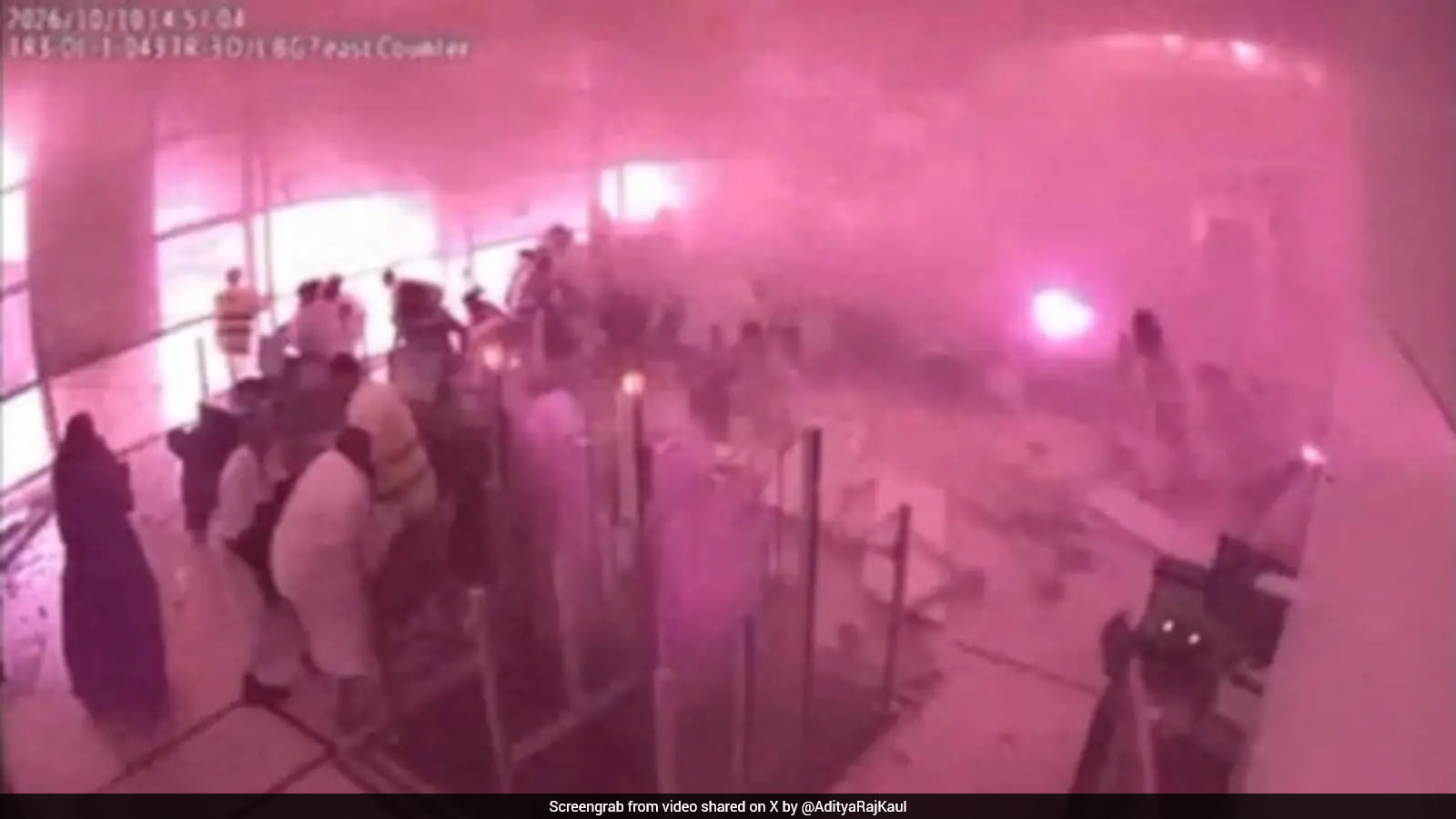
- Houthis have escalated their attacks on Saudi airports, including King Khalid International Airport in Riyadh, which has been struck multiple times, resulting in casualties.
- On October 7, an attack on Abha International Airport killed two and wounded 28, while the same day, King Khalid International Airport was struck, killing one and wounding eight.
- A raid on October 8 at King Khalid International Airport resulted in the death of an airline pilot and two other Saudi citizens.
- On Sunday, another attack at King Khalid International Airport killed one and injured nearly a dozen, while the Houthis claimed an attack on Dammam airport.
- In response to the escalating violence, Saudi Arabia extended the suspension of operations at Riyadh airport, while Lufthansa cancelled flights until October 16 and Air France-KLM suspended services until the end of the month.
- The UK, France, and Germany have warned their citizens to avoid Riyadh amid the ongoing attacks.
- Houthis have controlled Sanaa and parts of northwestern Yemen since 2014, and the recent escalation follows the collapse of a UN-brokered ceasefire that had been largely in place since 2022.
- Last month, the Houthis seized key territory and gained virtual control of the Bab al-Mandab strait, a critical shipping route.

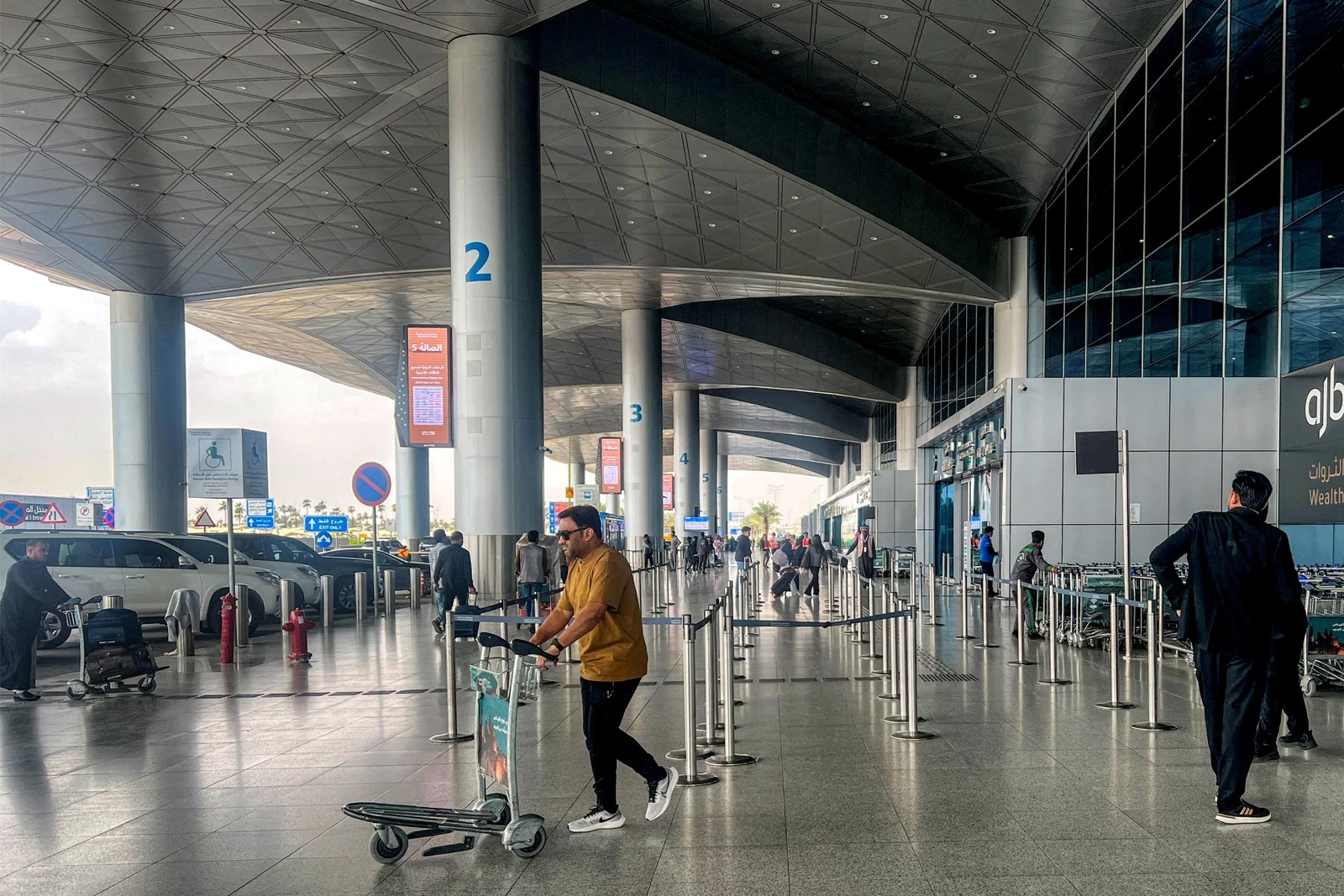
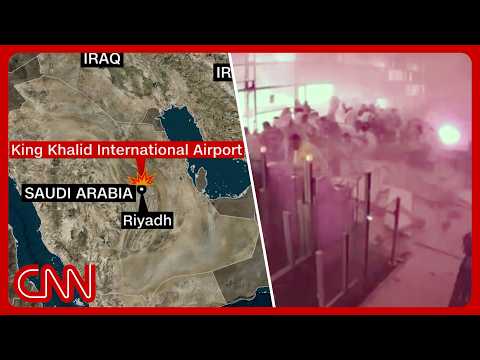
Yemen's Houthi rebels have intensified their campaign against Saudi Arabia, launching a series of attacks on airports, including Riyadh's King Khalid International Airport, which has been struck four times in five days.123456789
The assaults have resulted in casualties, with reports indicating that one person was killed and eight wounded on October 7, followed by another attack that injured nearly a dozen others.
These attacks represent the deadliest escalation in over a decade, marking a significant disruption to Saudi civil aviation. Lufthansa and Air France-KLM have suspended flights to Riyadh, with the latter extending its suspension until the end of the month.
The UK, France, and Germany have advised their citizens to avoid Riyadh as the situation escalates. Saudi authorities have extended the suspension of operations at the city’s international airport, the second-busiest in the country, as the Houthis continue to target key infrastructure.1011
The Houthis, who have controlled parts of Yemen since 2014, claim their actions are a response to ongoing Saudi strikes in Yemen. “Unless the Saudi enemy stops its aggression and interference in Yemen, worse is yet to come,” stated a Houthi official.
Conflict analyst Hisham al-Omeisy noted that the Houthis are likely to escalate their attacks further, targeting oil pipelines and energy facilities, as they seek to leverage their position in the ongoing conflict.
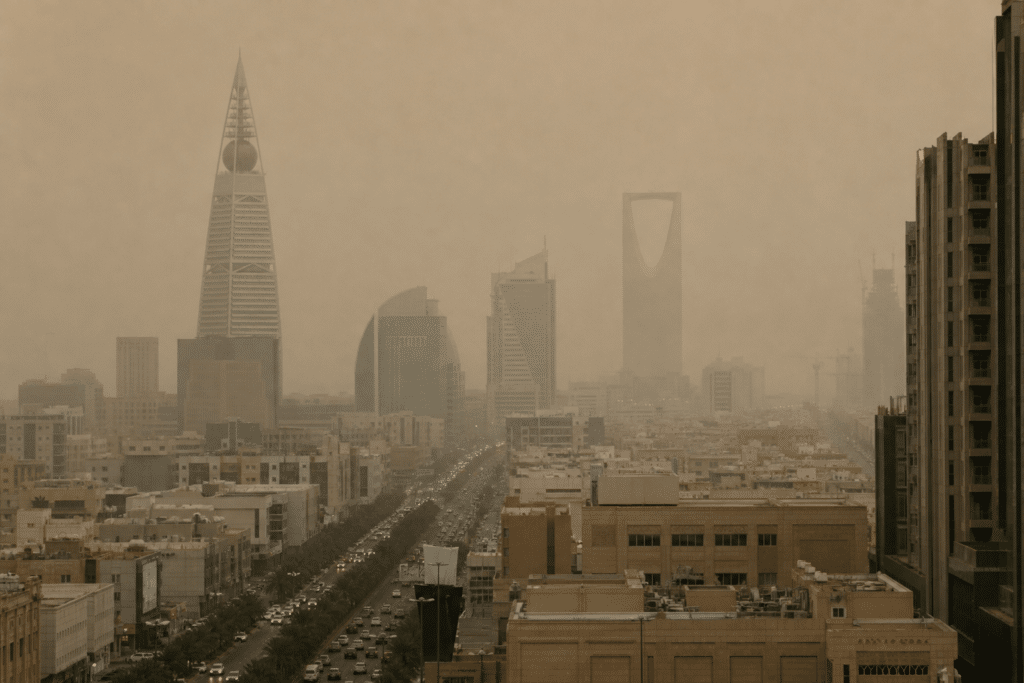
The recent attacks have forced businesses in Riyadh to switch to remote work and prompted schools to move to online classes, highlighting the broader impact of the violence on daily life in the capital.
Saudi Arabia, despite being a major military spender, faces challenges in defending against such attacks, as noted by security analyst Thomas Juneau, who stated, “Saudi air defences have been able to intercept some Houthi missile and drone attacks, but it’s simply impossible for them to consistently defend themselves.”
“The attacks have killed at least one person and wounded nearly a dozen at Riyadh's airport, marking the deadliest assault on Saudi soil in over a decade. Airlines including Lufthansa and Air France-KLM have suspended services, while the UK, France, and Germany warned citizens to avoid Riyadh.”


 The Guardian