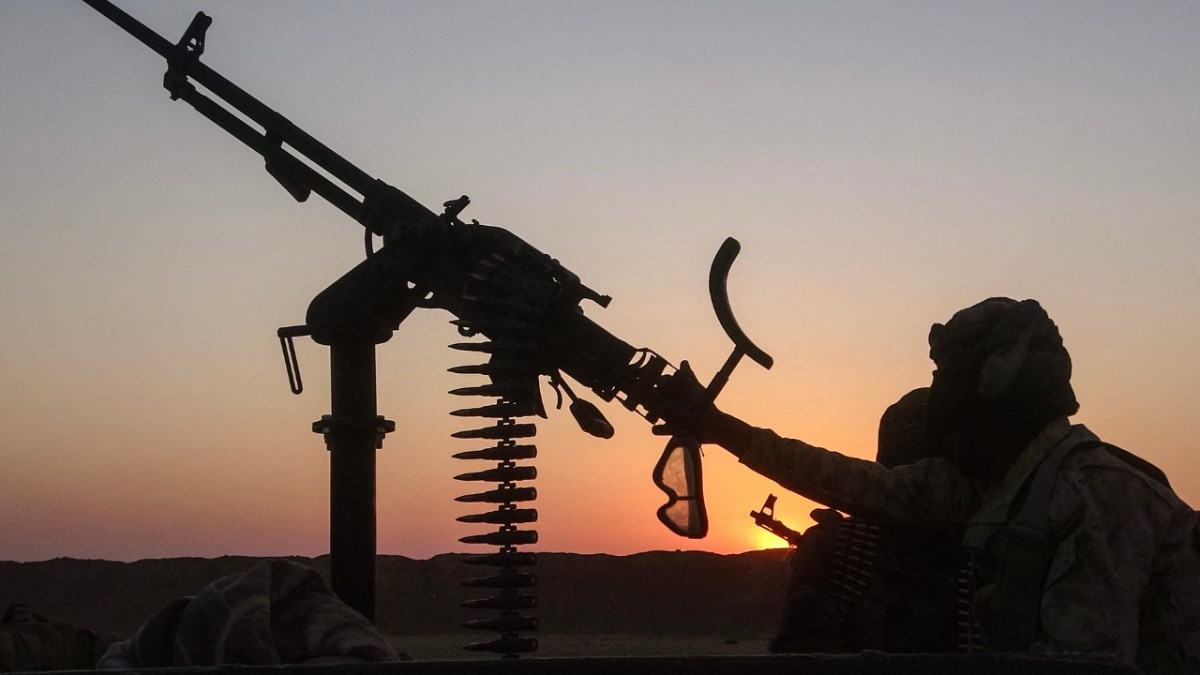
- Houthis demanded $51 billion and recognition as Yemen's rulers from Saudi Arabia to end the war, according to The Wall Street Journal.
- Recognition of the Houthis as Yemen's rulers would represent a major strategic concession for Saudi Arabia, effectively acknowledging an Iran-backed armed movement as the governing authority of its southern neighbor.
- The Houthis are advancing towards Aden, now within roughly 50 miles of the city, marking their closest position since seizing parts of it in 2015.
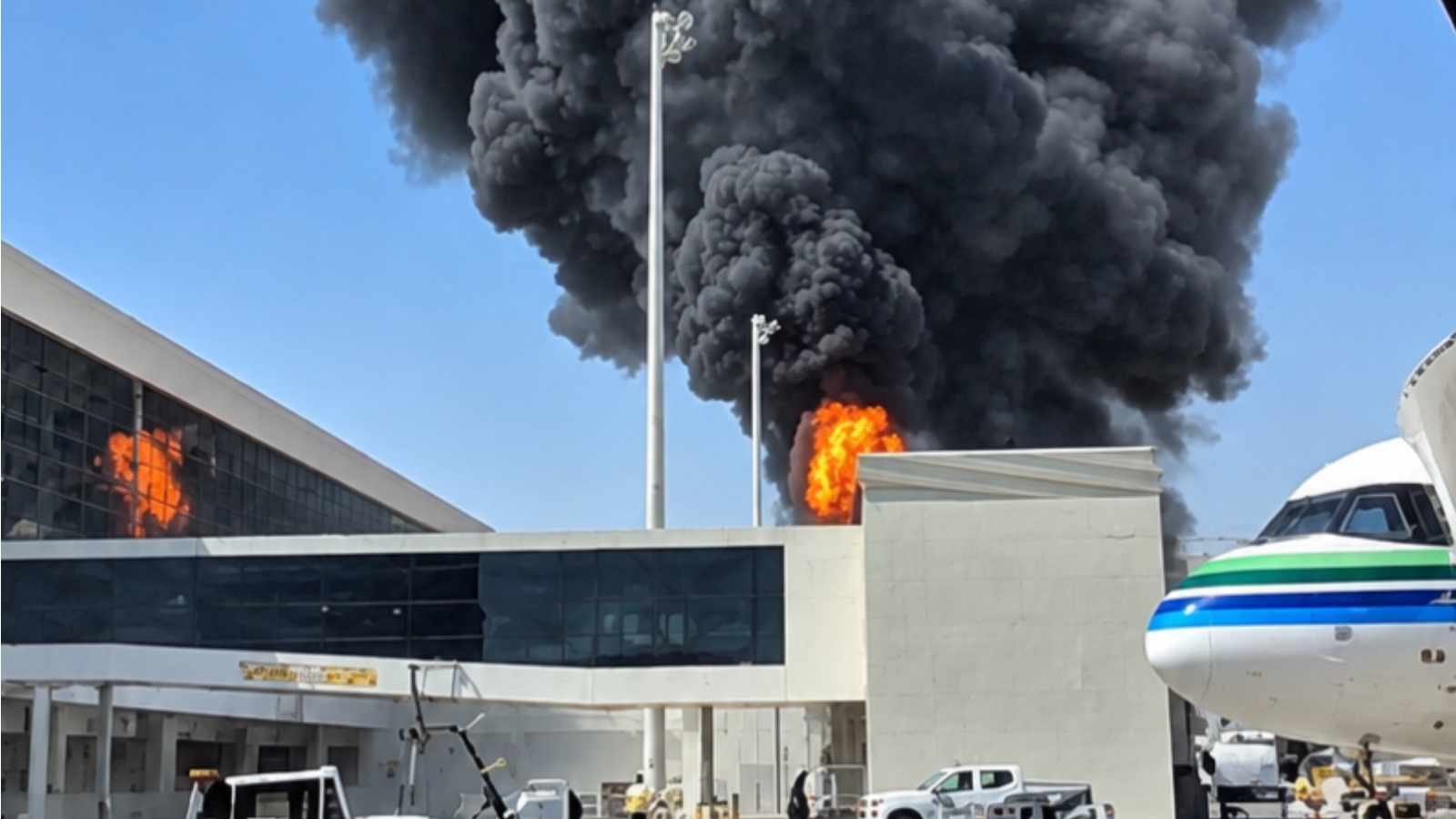
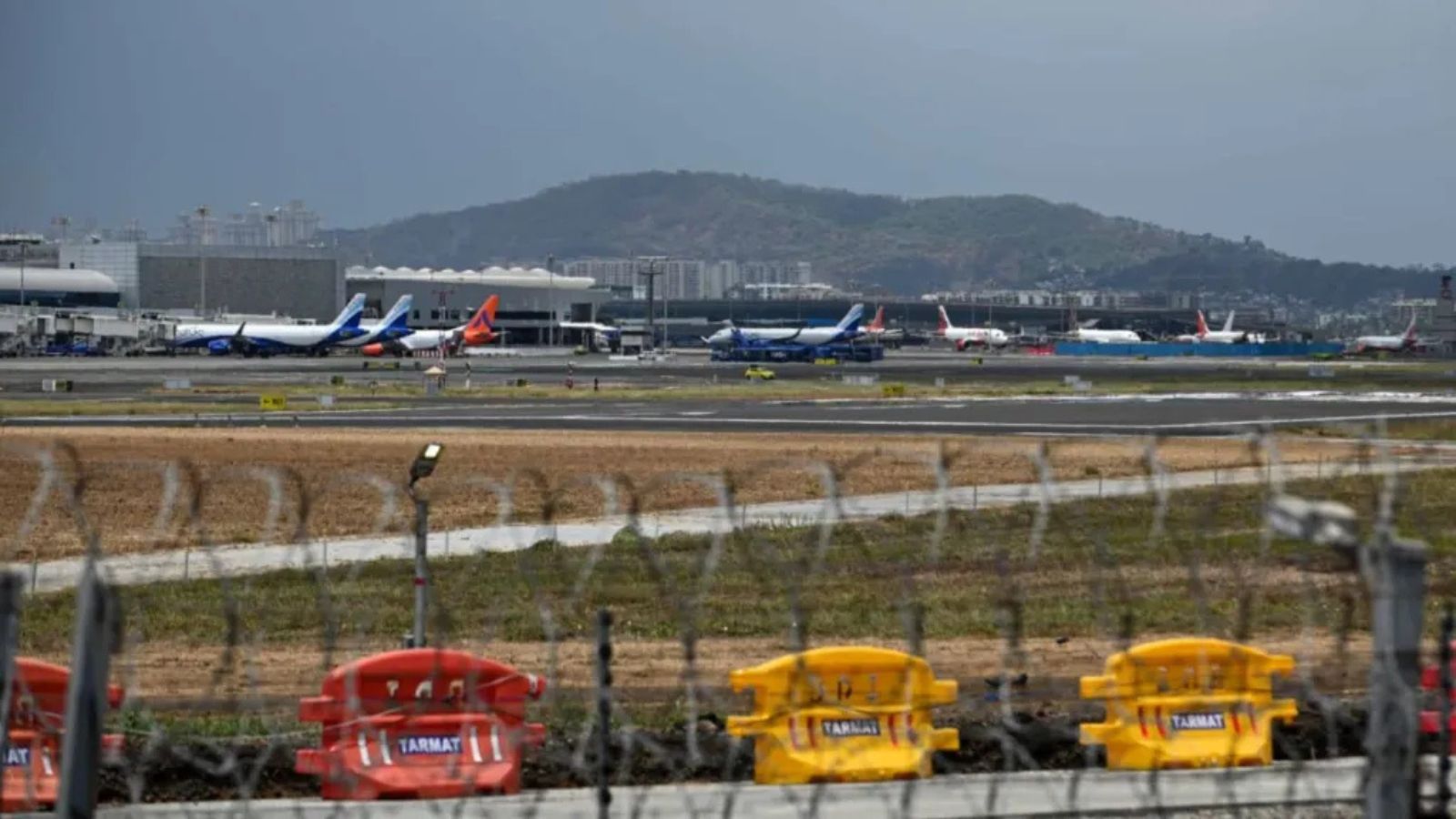
- In October, the Houthis intensified their attacks on Saudi Arabia, targeting civilian airports and facilities linked to Saudi Aramco, leading to thousands of flight cancellations.
- On October 31, the Houthis targeted the presidential palace in Aden with two missiles, escalating the conflict further.
- The conflict began in 2015 when the Houthis seized parts of Aden, leading to a prolonged war involving Saudi Arabia and its allies.
- From 2015 to 2022, there was an earlier period of conflict between the Houthis and Saudi Arabia, which has seen various escalations.
- In 2025, the US conducted a weeks-long military campaign against the Houthis but declined to provide direct support thereafter.
- Last December, the UAE withdrew from the anti-Houthi campaign due to disagreements with Riyadh, complicating the situation further.
Yemen's Houthi rebels have escalated their demands in negotiations with Saudi Arabia, seeking $51 billion as compensation for years of conflict and recognition as Yemen's legitimate rulers. This comes amid intensified military actions, with Houthi forces advancing toward Aden, now within 50 miles of the city.
The Houthis' demand for $51 billion is framed as compensation for Saudi airstrikes and a prolonged blockade, fundamentally altering the balance of power along Saudi Arabia's southern border. Accepting these terms would mean recognizing an Iran-backed armed movement as the governing authority in Yemen, a significant concession for Riyadh.
The conflict has seen a resurgence of violence, with the Houthis launching near-daily attacks on Saudi Arabia, including strikes on civilian airports and oil facilities. In October alone, thousands of flights were canceled at Riyadh's King Khalid International Airport due to these attacks. One particularly deadly strike in Yemen's Shabwah governorate resulted in 75 deaths and over 200 injuries, marking the deadliest incident since the civil war reignited.4

Saudi Arabia has responded with airstrikes but remains cautious about escalating troop deployments, fearing public backlash over potential casualties. The Houthis' financial demands could set a precedent for further pressure on Riyadh, complicating the already tense situation in the region.
As the Houthis press toward Aden, the stakes are higher than ever, with the potential for a significant shift in Yemen's political landscape.
“The Houthis' advance has brought them within 50 miles of Aden, their closest position since 2015, threatening the Saudi-backed government's seat. Saudi officials fear that accepting the demand would set a precedent, allowing the group to escalate militarily for future concessions.”