- Saudi Arabia signed a regional mutual defence deal with Pakistan and Turkey in August.
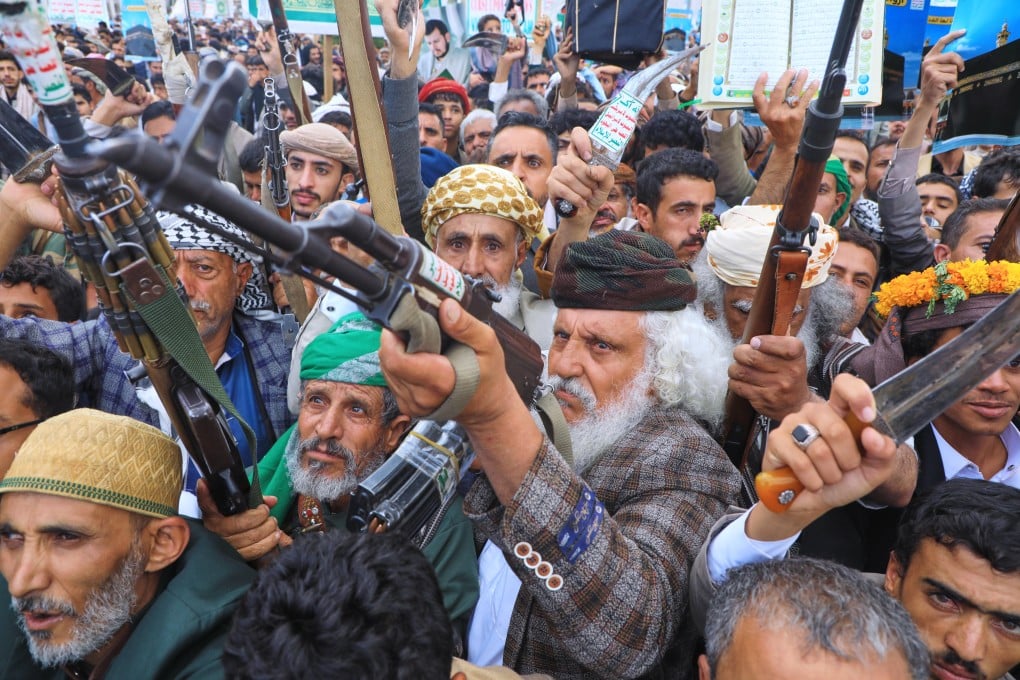
- Houthi attacks against Saudi energy infrastructure and military sites are testing the pact's limits.
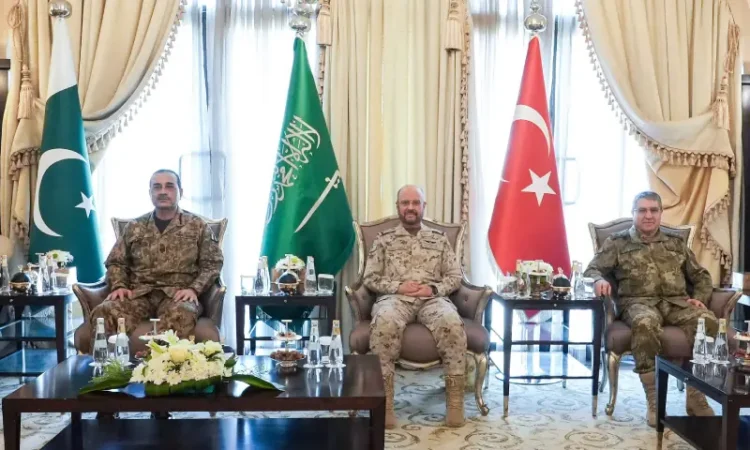
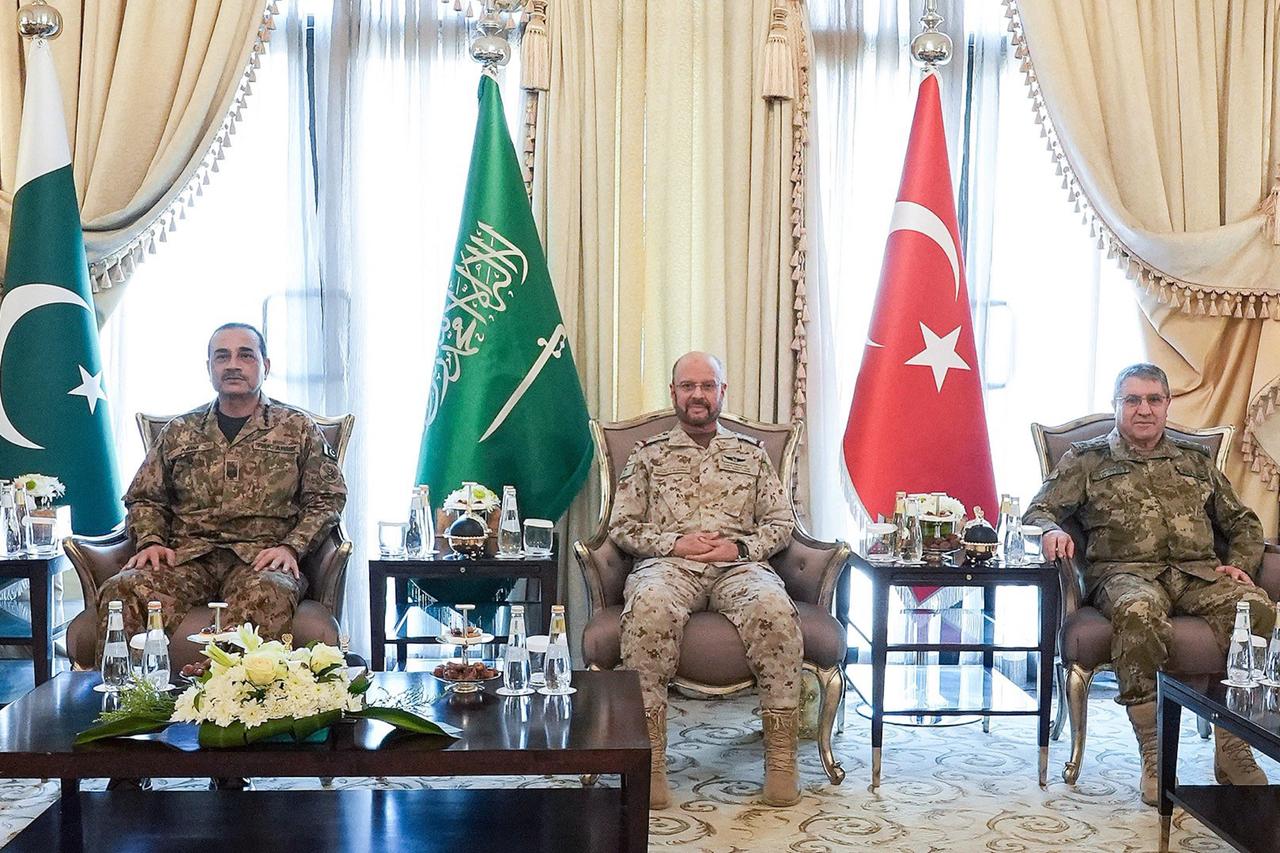
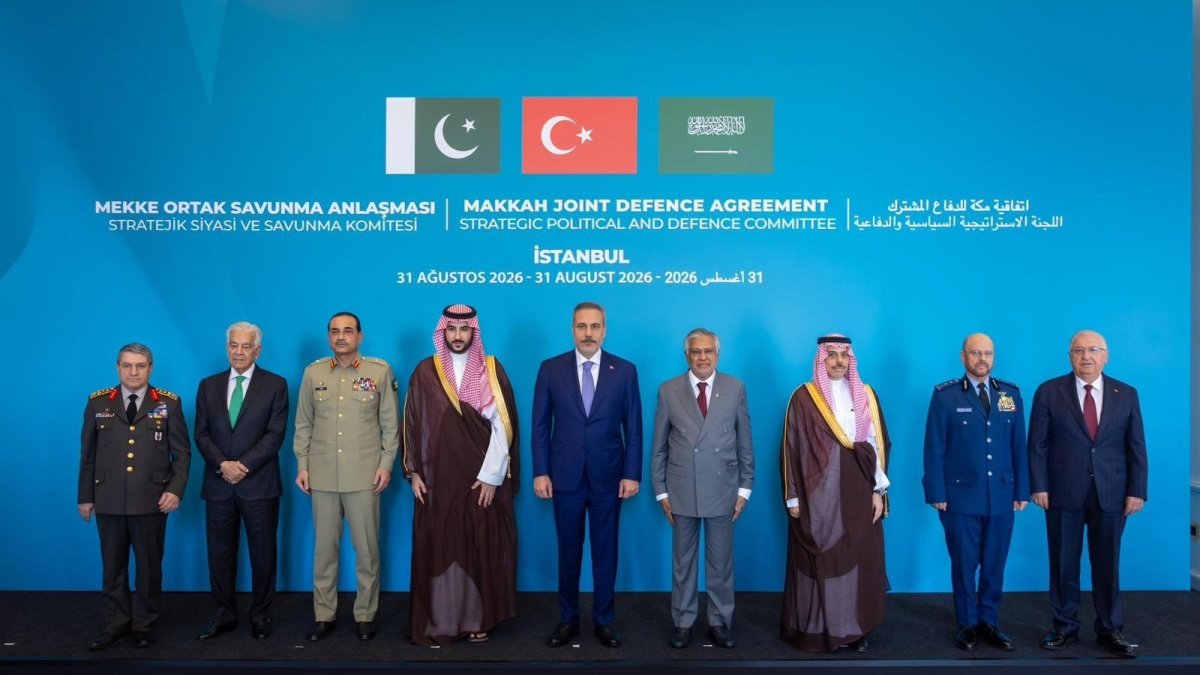
- Military chiefs of Saudi Arabia, Pakistan, and Turkey met in Riyadh to reaffirm their commitment to collective defence.
- Discussions at the meeting focused on intelligence cooperation, military coordination, and capability integration to strengthen deterrence and collective defence.
- Chinese analysts stated that the Houthi attacks were an initial stress test for the agreement signed in August, but direct Turkish and Pakistani intervention in the Saudi-Houthi conflict was unlikely.
- Under the Mecca pact, an armed attack against any one of the three would be regarded as an attack against all, similar to NATO's Article 5, but it lacks clarity on intervention circumstances.
- Zhang Chuchu, a deputy director at Fudan University, noted that the Houthi attacks were the first test of the Mecca pact, and both Pakistan and Turkey were hesitant to intervene directly.
- Li Weijian, a researcher at the Shanghai Institutes for International Studies, emphasized that the agreement's symbolic significance is greater than its practical significance due to unclear provisions.
- Recent reports indicate that China privately asked Iran to help restrain the Houthis after Saudi Arabia appealed for assistance.
- President Donald Trump initially authorized preparations for strikes against the Houthis after Riyadh's appeal for US intervention but reversed course last weekend.
Houthi attacks on Saudi Arabia are challenging the Mecca Joint Defence Agreement, signed just a month ago with Turkey and Pakistan. Military leaders met in Riyadh to reaffirm their commitment to collective defense, focusing on intelligence cooperation and military coordination.25
The Mecca pact states that an armed attack on one member is an attack on all, akin to NATO's Article 5. However, analysts note that the agreement lacks clarity on what constitutes an armed attack and the conditions for military intervention. Zhang Chuchu, a Middle East expert, described the Houthi strikes as the pact's first significant test, while Li Weijian emphasized its symbolic over practical significance.678910
Both Turkey and Pakistan are hesitant to engage directly in Yemen, fearing it could undermine the pact's deterrent effect. Instead, they may offer political support or intelligence while advocating for negotiations between Saudi Arabia and the Houthis. Meanwhile, reports indicate that China has sought to restrain the Houthis at Saudi Arabia's request, highlighting the complex geopolitical dynamics at play.11
As tensions rise, the effectiveness of the Mecca pact remains uncertain, with military chiefs emphasizing the need for enhanced cooperation to bolster regional security.3
“The pact, modeled on Nato's Article 5, lacks clarity on what triggers military intervention, leading analysts to say its symbolic significance outweighs practical impact. China privately asked Iran to restrain the Houthis, while Trump initially authorized strike preparations but reversed course.”

 South China Morning Post