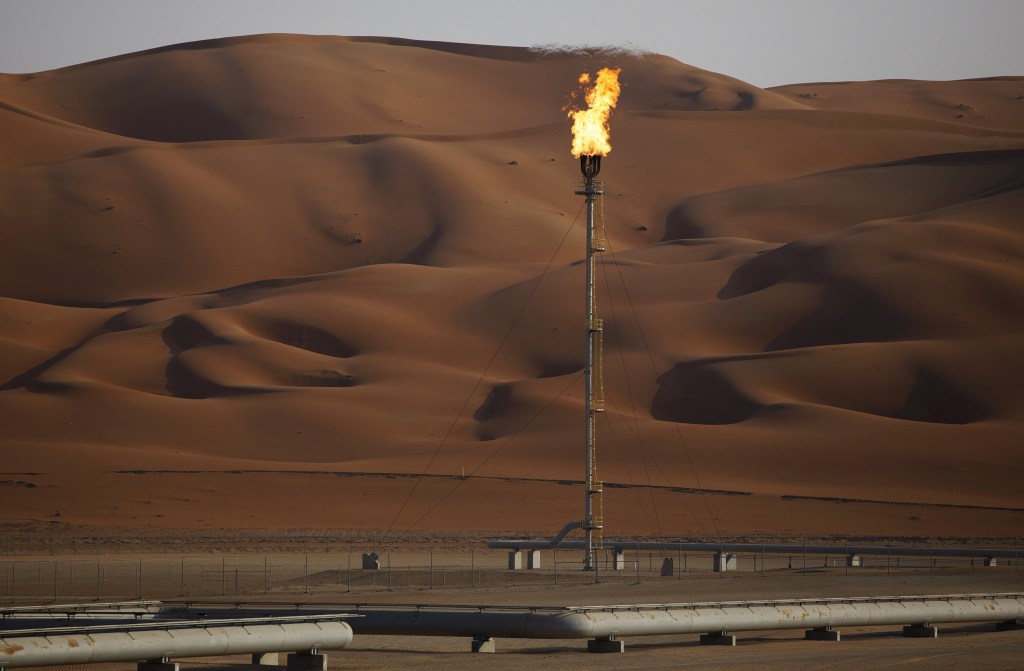
- Oil prices surged after Saudi Arabia reported an attack on energy assets, with Brent touching $99 per barrel and U.S. crude rising by more than 2.5% to nearly $94 per barrel.
- The escalation followed U.S. strikes on three Iranian oil tankers after Iran launched ballistic missiles toward U.S. Navy ships.
- Renewed hostilities have drastically reduced Strait of Hormuz traffic, with only four ships passing Saturday and six on Sunday, compared to the strait's pre-war carriage of more than 20% of the world's energy supply.
- Vessel traffic in the Bab el Mandeb strait fell 16% from the prior week, though overall traffic of more than 260 ships remained significantly higher than in the Strait of Hormuz.
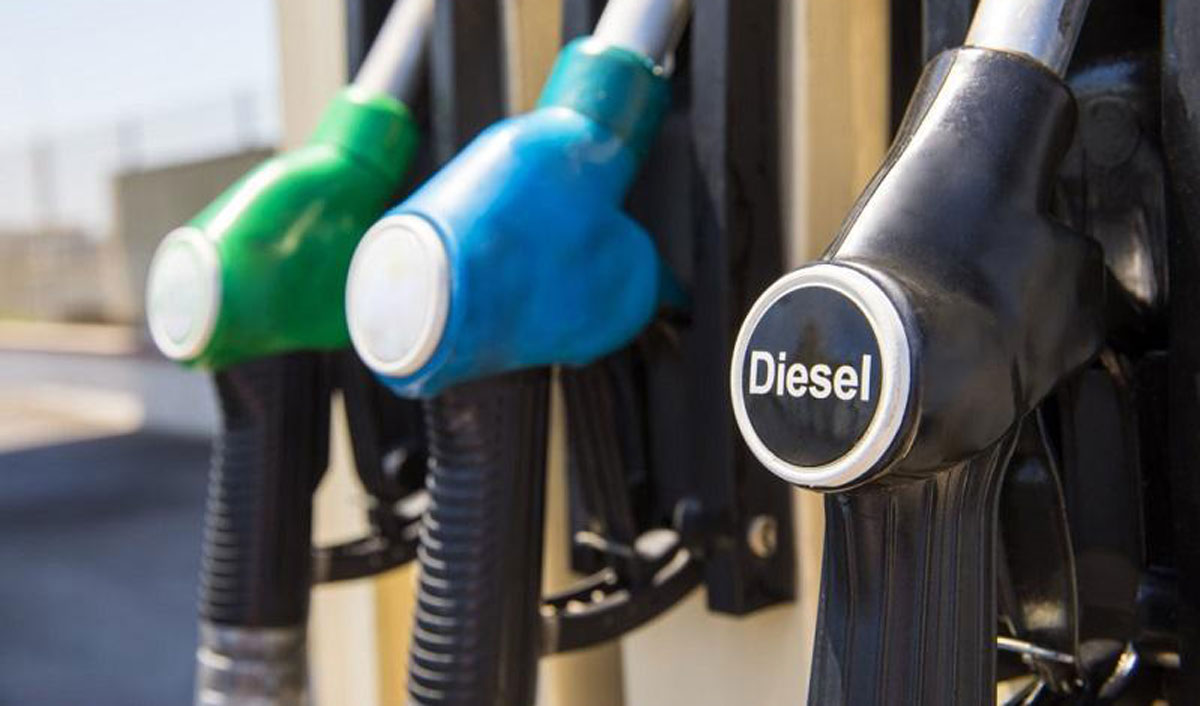
- Gas prices have risen, with the national average at $4.15 per gallon, up 6 cents from a week ago and 14 cents from a month ago; since the war started, Brent has risen 36% and gas prices 40%.
- Analysts at Goldman Sachs and HSBC see significant upside risk, forecasting Brent could exceed $120 if Persian Gulf oil flows remain low, while HSBC's base case is around $95 through year-end.
- Higher oil prices have translated into higher bond yields, with the benchmark 10-year yield nearing 4.80%, its highest level since early last week.
Oil prices are nearing $100 per barrel as Saudi Arabia reported attacks by the Houthi rebels on energy sites, resulting in 73 civilian injuries. Brent crude reached $99, while U.S. crude increased by 2.5% to nearly $94 amid rising tensions in the region.12910111213
The state-run Saudi Press Agency labeled the Houthis as a “terrorist” group, condemning their actions, which also included attacks on commercial vessels in the Red Sea. This escalation follows recent U.S. military actions against Iranian oil tankers after Iran launched ballistic missiles toward U.S. Navy ships.34
The renewed hostilities have significantly impacted maritime traffic in the Strait of Hormuz, with only four ships passing through on Saturday and six on Sunday, compared to pre-war levels where the strait carried over 20% of the world’s energy supply.56
According to MarineTraffic, vessel transits in the Bab el Mandeb strait fell 16% from the previous week, although overall traffic remained high. The national average gas price has also seen an increase, rising 6 cents from last week to $4.15 per gallon, reflecting a 40% increase since the war began.78
Analysts from Goldman Sachs and HSBC predict that if oil flows from the Persian Gulf remain low, Brent prices could exceed $120 per barrel, indicating significant upside risks in the market.
“The attack has slashed Strait of Hormuz traffic to just four ships Saturday and six Sunday, down from its pre-war carriage of over 20% of global energy supply. Meanwhile, Goldman Sachs and HSBC warn Brent could exceed $120 if Persian Gulf flows stay low, with the national gas average at $4.15 per gallon.”