- The House on Wednesday is expected to give final approval to the Russia sanctions bill named for the late Sen. Lindsey Graham. It would then go to Trump’s desk for his signature.
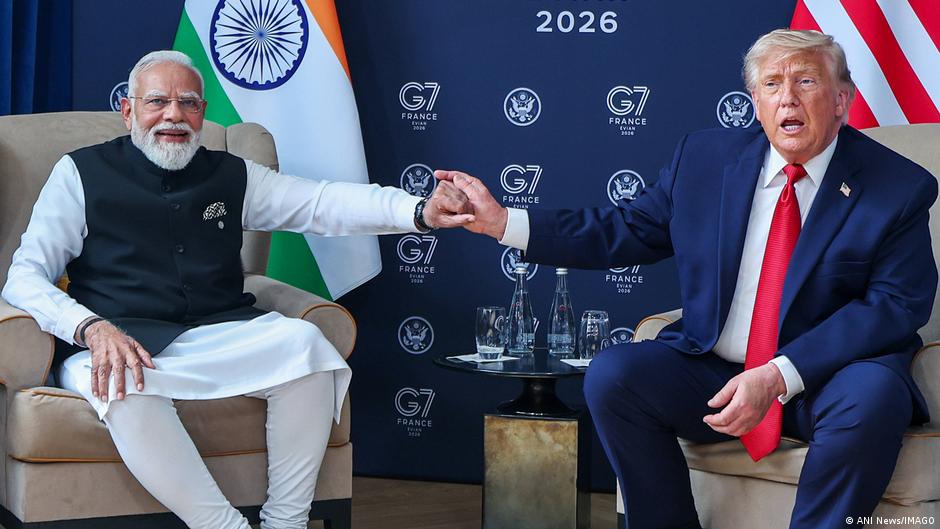
- Under the new tariff authorities in the legislation, the Trump administration could impose levies of up to 100% on countries buying Russian oil and gas, including China and India.
- Privately, nearly a dozen Republicans had been lobbying party leaders in recent days to take out new tariff powers included in the bill, but Speaker Mike Johnson and his leadership team rebuffed those proposed changes.
- Concerns remain from some Democrats and Republicans who believe the bill would ultimately empower Trump on tariffs, despite that potential guardrail.
- Supporters of the bill argue that the tariff authority is limited and carefully tailored, and that fears that the president would end up with more power on trade matters are unfounded.
The House is poised to pass a significant Russia sanctions bill named for the late Sen. Lindsey Graham, which would grant President Trump the authority to impose tariffs of up to 100% on countries purchasing Russian oil and gas, including major buyers like China and India.12
The legislation, expected to receive final approval on Wednesday, has sparked controversy among lawmakers. While supporters argue that the tariff authority is limited and carefully tailored, critics warn it could lead to economic repercussions, particularly with the midterm elections approaching. “This bill would dramatically expand presidential tariff authorities while failing to mandate sanctions on Russia,” said Reps. Gregory Meeks, Richard Neal, and Don Beyer, who expressed concerns that it could raise prices for Americans and undermine support for Ukraine in the long term.6
Despite these concerns, Speaker Mike Johnson and his leadership team have rebuffed attempts to remove the tariff powers from the bill. “For many Democrats, it will be a difficult vote,” as they grapple with the implications of the bill while wanting to support sanctions against Russian officials, including President Vladimir Putin and oligarchs.345
The bill, which has been in negotiation since April 2025, reflects a bipartisan effort to address the ongoing conflict in Ukraine, with Graham advocating for its passage until his last public appearance in Kyiv, where he announced Trump’s support.
“Nearly a dozen Republicans privately lobbied Speaker Mike Johnson to strip the tariff authority, but he rebuffed them. The bill would let US Trade Representative Jamieson Greer set final levies, potentially hitting China and India with 100% tariffs.”