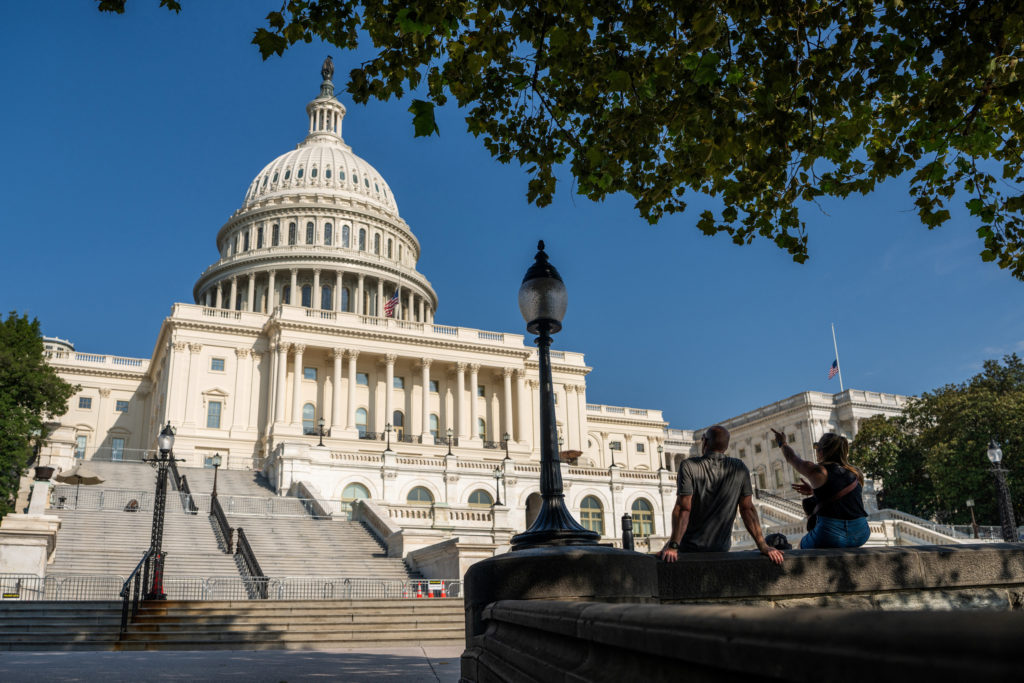
- The House voted 262-159 to pass a major bill imposing sanctions on Russia and Iran, sending it to President Donald Trump for his signature.
- The bill, named the Lindsey O. Graham Sanctioning Russia and Iran Act of 2026, passed the Senate 86-11 last month, honoring the late senator who died in July.
- The bill targets Russia's energy sector by punishing the largest buyers of its oil and gas, allowing the president to impose tariffs on goods from those countries, which may include China and India, to slash revenue streams funding Russia's war on Ukraine.
- The act's most consequential new authority is a provision to place tariffs of up to 100 percent on third countries purchasing significant volumes of Russian energy, replacing the blanket 500 percent tariff in the 2025 version, with a carve-out for countries reducing dependence and importing less than 15 percent of Russia's annual natural gas exports.
- The bill would authorize the Trump administration to impose tariffs of up to 100 percent on Chinese imports on national security grounds if China continues purchasing Russian oil, assuming tariffs will compel China to reduce imports.
- The measure also targets Russian government officials, oligarchs, some family members, and Russian financial institutions, and extends sanction authority aimed at slashing funding for Iran's weapons and energy sectors at Trump's request.
- Some top House Democrats criticized the bill over broad tariff authorities that Trump could abuse, but those hesitations weren't enough to scuttle it.
- House Speaker Mike Johnson expressed support for the bill, saying they had to build a consensus around it, and Daniel Balson of Razom for Ukraine called its passage “momentous,” sending a message to Putin.
The House voted 262-159 to pass the Lindsey O. Graham Sanctioning Russia and Iran Act, which targets major energy buyers like China and India. This legislation allows the president to impose tariffs of up to 100 percent on countries purchasing significant volumes of Russian energy, aiming to cut off funding for Russia's war on Ukraine.1345
The bill, which previously passed the Senate with an 86-11 vote, is named in honor of the late senator Lindsey Graham, a staunch advocate for sanctions against Russia. It replaces a previous version's blanket 500 percent tariff with a more nuanced approach, allowing exemptions for countries reducing their dependence on Russian energy.2
House Speaker Mike Johnson expressed support, stating, “I have always been in favor of the Russia sanctions bill... I think we have it.” However, some Democrats raised concerns about the broad tariff authorities that could be misused by the Trump administration.89
Advocacy groups like Razom for Ukraine hailed the bill's passage as “momentous,” emphasizing its importance as Russian officials escalate military actions against Ukraine. Daniel Balson stated, “This bill sends an unmistakable message: for so long as Putin continues to inflict suffering on Ukraine, Congress will continue to impose consequences on Putin.”
“The bill, which passed the Senate 86-11 last month, allows tariffs of up to 100% on third countries buying Russian energy, replacing the 500% tariff in the 2025 version. House Speaker Mike Johnson said he had to build consensus, while Daniel Balson of Razom for Ukraine called the passage 'momentous.'”