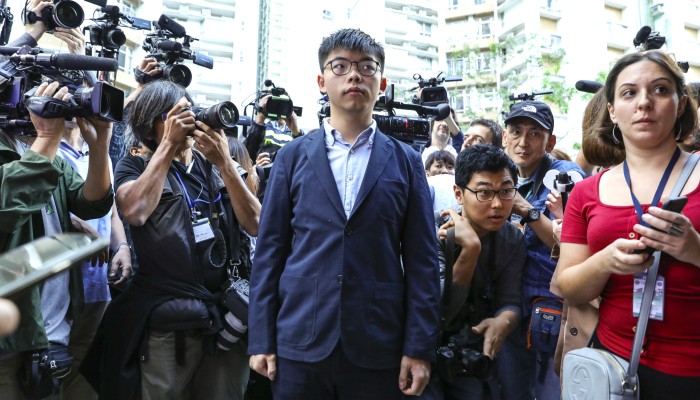
- Joshua Wong was sentenced to 10 more years under the National Security Law.
- The UK condemned the sentence as "a clear example of how the National Security Law is being used to target individuals for political expression and participation" and called for an end to unjust prosecutions under the law.
- The US consulate in Hong Kong "strongly condemns" the additional sentence and called for Wong's immediate release, saying he has been unjustly imprisoned since December 2020.
- The European Union (EU) deplored the politically motivated sentence, calling for Wong's immediate release and stating that the timing and political nature of the charges demonstrate a deterioration of the rule of law in Hong Kong.
- Beijing pushed back against criticism, with foreign ministry spokesperson Guo Jiakun saying Wong pleaded guilty and that China firmly supports Hong Kong in safeguarding national security in accordance with the law.
- The Hong Kong government rejected the US consulate's remarks as "groundless attacks and smears" and "despicable political manipulation", maintaining that the court's decision was well-reasoned and necessary to deter activities endangering national security.
- Human Rights Watch's Asia director Elaine Pearson called the sentence "cruel and unjust" and said the Hong Kong government puts young people promoting social change behind bars.
- Amnesty International's deputy regional director Sarah Brooks said the conviction is a reminder that the National Security Law has become a tool to punish dissent rather than protect national security.
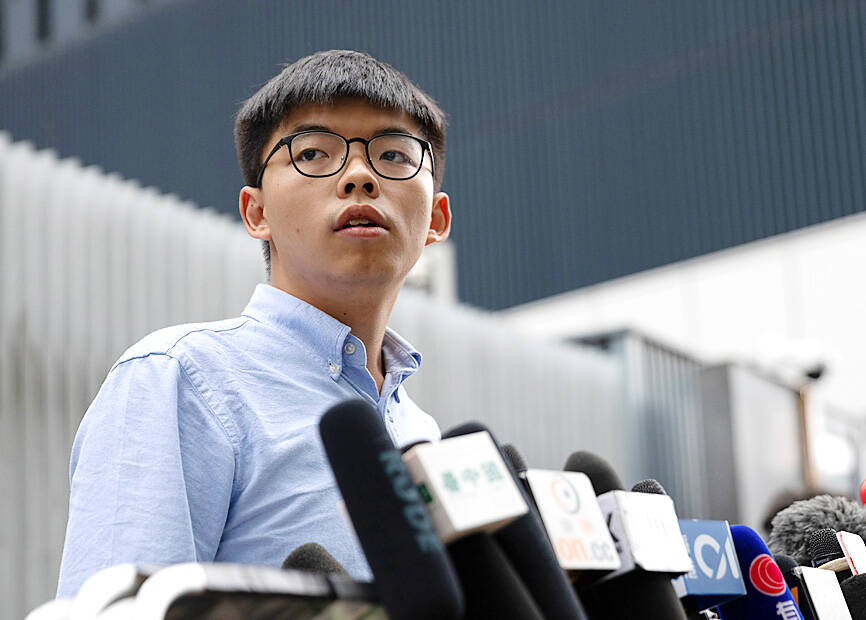
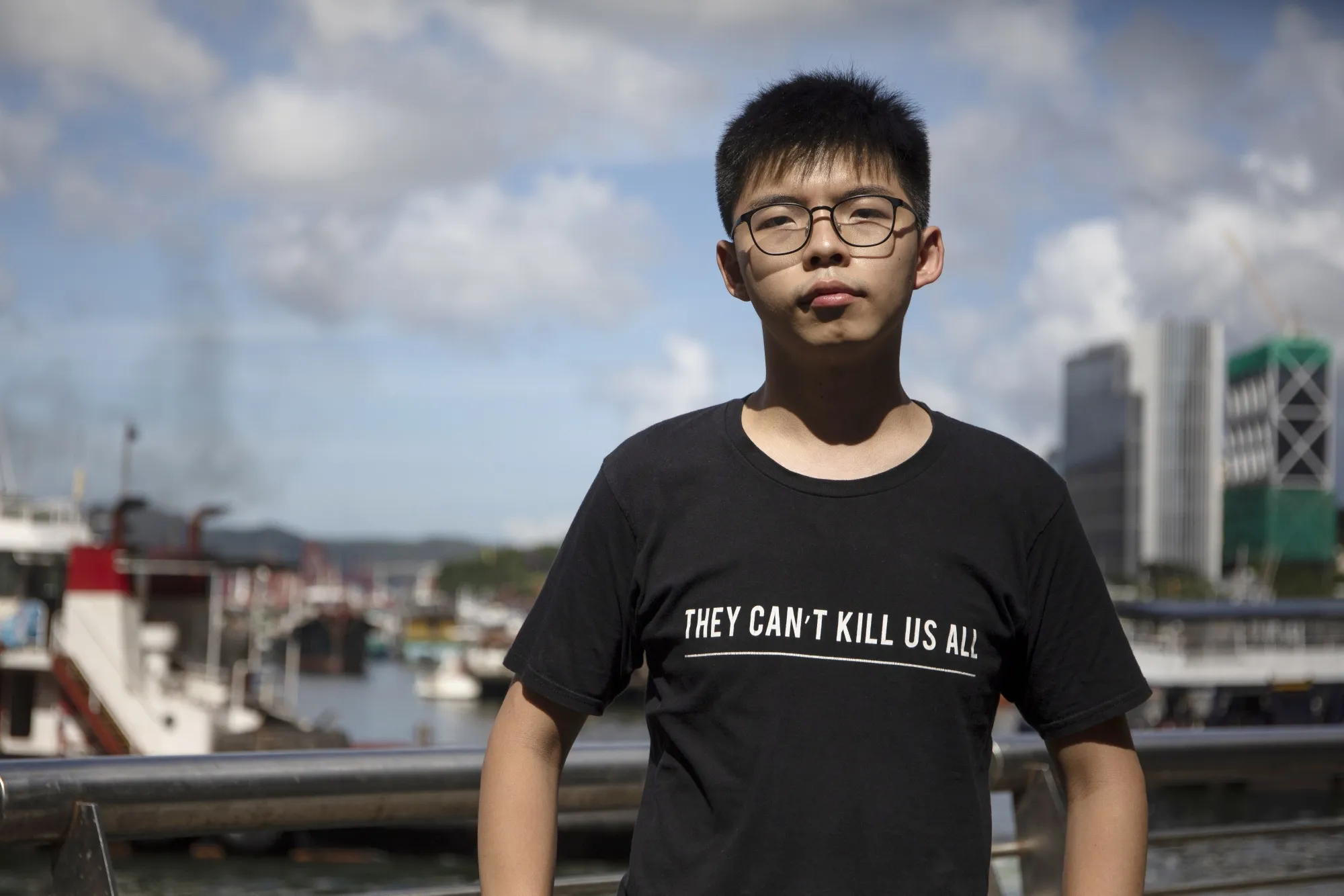
The UK and US have condemned Joshua Wong's 10-year sentence, viewing it as a politically motivated action under Hong Kong's National Security Law.1
Wong, a prominent activist, has been imprisoned since December 2020, with his latest conviction linked to allegations of lobbying foreign governments for sanctions against Hong Kong and China.45
"Wong has been unjustly imprisoned since December 2020, demonstrating that Beijing will go to extraordinary lengths to silence those who advocate for fundamental freedoms in Hong Kong," stated a US consular spokesperson.89
The UK government echoed this sentiment, calling for an end to unjust prosecutions and urging respect for the rights guaranteed under the Sino-British joint declaration.
"Today's sentence is another grim reminder of how Hong Kong's National Security Law has become a tool to punish dissent rather than to genuinely protect national security," said Sarah Brooks, deputy regional director of a rights group.1314
The EU also criticized the sentence, emphasizing its implications for the rule of law in Hong Kong.
In response, Beijing defended the sentence, asserting that Wong had pleaded guilty and that the law is essential for national security.
The Hong Kong government dismissed foreign criticisms as "groundless attacks and smears," maintaining that the court's decision was necessary to deter activities endangering national security.1011
Wong's new sentence is expected to keep him incarcerated until late 2036, when he will be 40.
“The EU cited a deterioration in Hong Kong's rule of law, while Beijing's Guo Jiakun insisted Wong pleaded guilty and China backs the law. Human Rights Watch's Elaine Pearson called the sentence 'cruel and unjust', and Amnesty's Sarah Brooks said it shows the law 'has become a tool to punish dissent.'”