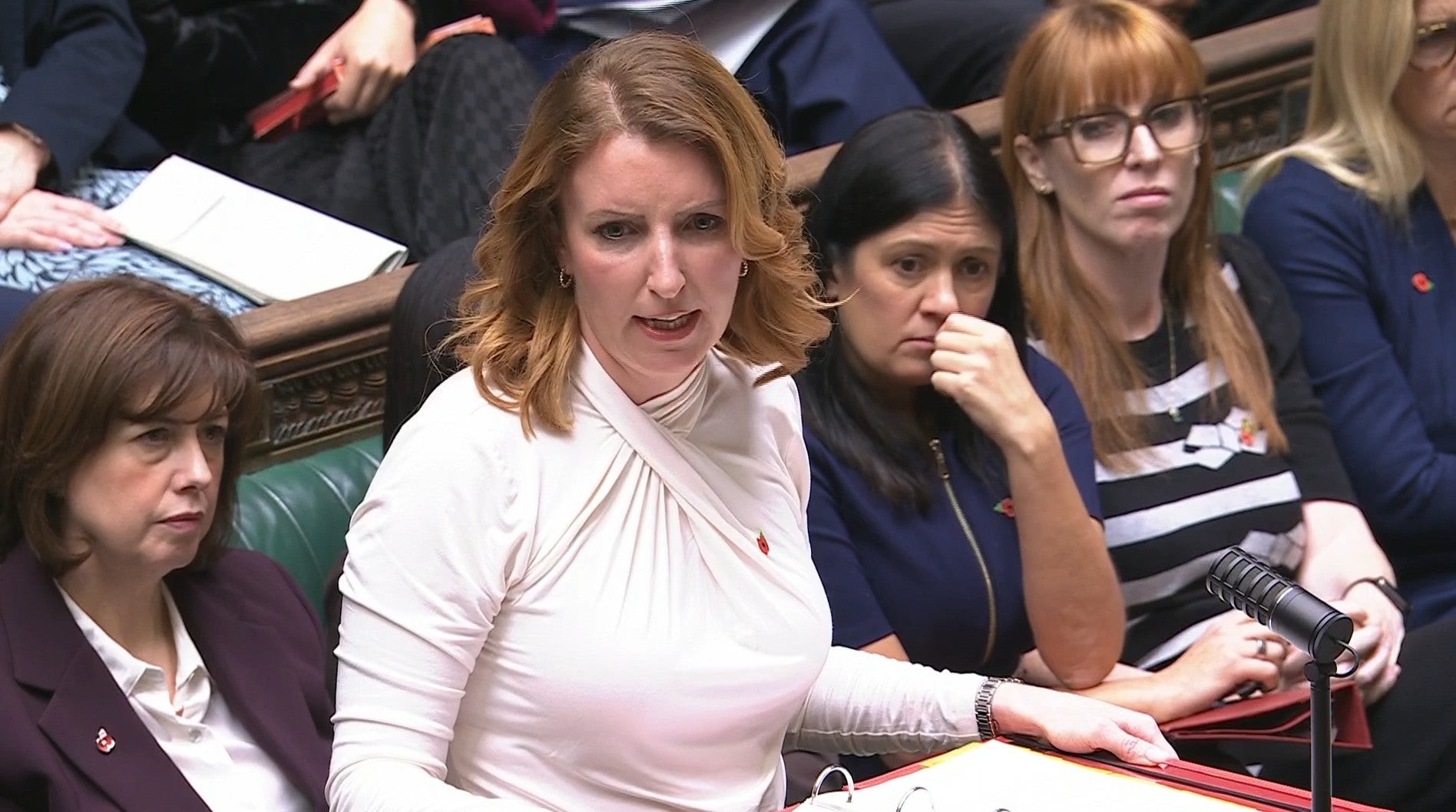
- Home Secretary Shabana Mahmood admitted that the Government's migrant climbdown will increase the welfare bill, as the decision to spare nearly 300,000 care workers from stricter migration rules would have an impact on the numbers.
- Following a backlash, Mahmood announced on Monday that care workers who arrived in the UK before May 2025 and earned at least £25,000 a year would continue to qualify after five years, alongside some other groups.
- Under revised plans described by the Tories as a U-turn, some foreign care workers will continue to wait five years, and others will be able to seek a five-year extension.
- Mahmood admits the U-turn will increase the welfare bill but declines to specify the cost.
- Under the revised proposals, foreign carers who meet visa conditions and earn at least £25,000 a year will be able to settle in Britain after five years, whereas the initial plan required a 15-year wait for indefinite leave to remain (ILR).
- The climbdown followed a Cabinet revolt led by Angela Rayner and joined by up to 100 Labour MPs and unions, who claimed it was "unfair" and "un-British" to force foreign care workers already in the UK to wait longer for settlement.
- The Home Office previously estimated that granting low-paid care workers ILR after five years would cost taxpayers nearly £10bn in extra benefits, lower tax receipts, health and other state funds over their lifetimes; Ms Mahmood refused to say how much lower the revised cost would be.
- Border security minister Anna Turley said the revised policy would deliver at least £1bn in welfare savings over the "next couple of years", while Ms Mahmood said a full cost assessment would be published in the new year.
- Labour is under pressure to cut the welfare bill, which the Office for Budget Responsibility (OBR) estimates will rise from £353bn this year to £431bn in 2032.
Home Secretary Shabana Mahmood has faced backlash after revising migrant settlement plans, admitting the changes will increase the welfare bill. The initial proposal aimed to extend the wait for foreign care workers from five to 15 years, potentially saving £10 billion.124
However, under the new guidelines, care workers who arrived before May 2025 and earn at least £25,000 annually will still qualify for settlement after five years. This decision spares nearly 300,000 care workers from stricter rules, which Mahmood acknowledged would impact the overall numbers.356

“There will be savings in the billions, but of course, allowing people to settle at five years... does have an impact on the numbers,” Mahmood stated. The revised plans will also mean that around 500,000 migrants will face longer wait times for permanent residency, down from nearly 800,000 before the changes.
Mahmood did not specify the cost of the revised plans but indicated that a full assessment would be published in the new year. The Office for Budget Responsibility estimates the welfare bill will rise from £353 billion this year to £431 billion by 2032, putting pressure on Labour to manage costs effectively.
The climbdown followed significant opposition from Labour MPs and unions, who deemed the original proposal “unfair” and “un-British.” Mahmood's revised policy reflects a compromise amid growing dissent within her party.
“The revised plans spare nearly 300,000 care workers from longer waits, but around 500,000 migrants will still face delays. The Home Office previously estimated the original five-year ILR for low-paid care workers would cost taxpayers nearly £10bn.”