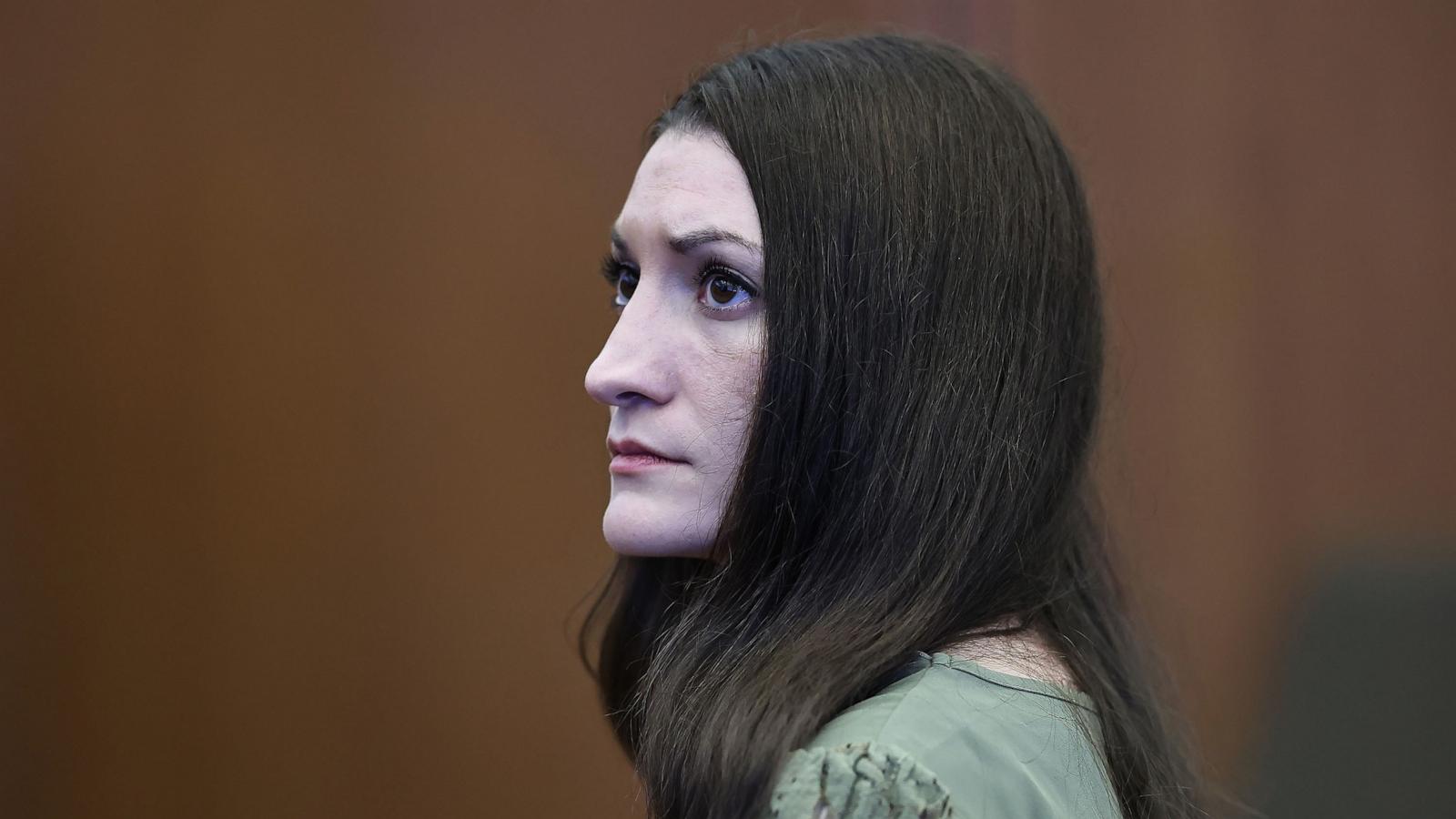
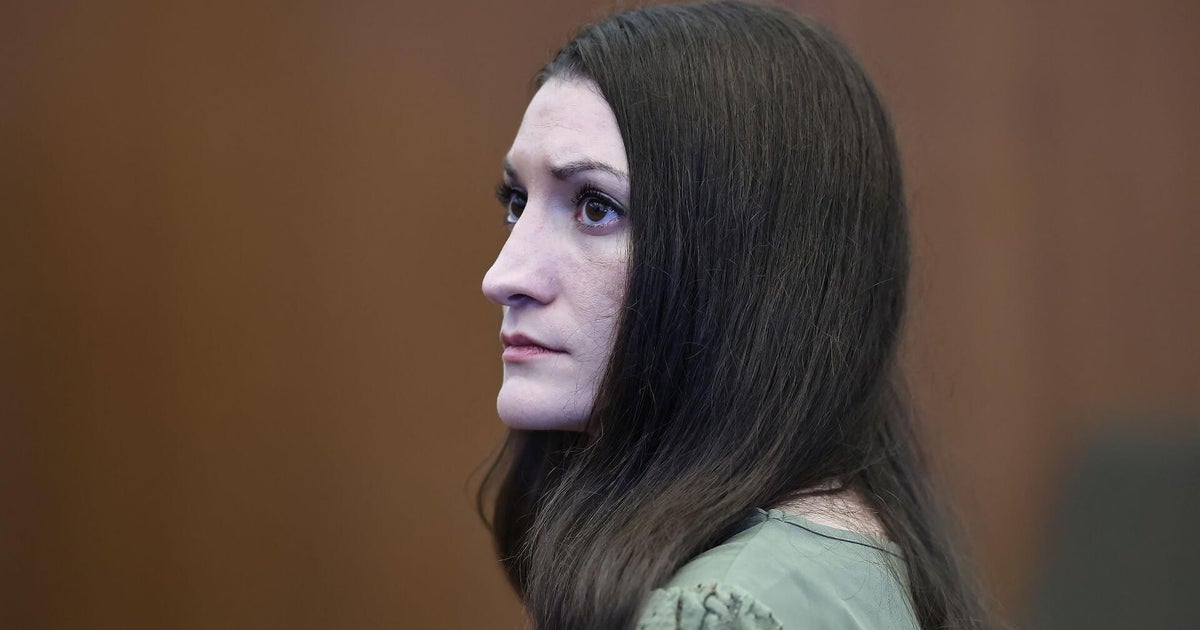
- Lindsay Clancy trial ends in a mistrial.
- The identity of the juror who held out against convicting Clancy was exposed online after bloggers identified him following a Boston television station's investigative report about his criminal history.
- Juror Paula Devlin said the reaction turned 'very negative' after jurors began speaking publicly about the trial, with threats directed at jurors or their families or workplaces.
- Michael Desronvil, who now identified himself publicly as the holdout juror, said he had no doubts and believed the prosecution presented enough proof that Clancy knew what she was doing and planned.
- Legal experts warn that the threats and scrutiny could have a chilling effect on future jurors, particularly in cases that draw intense attention online.
- Former prosecutor Margaret McLean said the online exposure is troubling because the juror's personal life, including his picture, has been exposed despite the expectation of anonymity.
- Both McLean and Goldberg said courts may need stronger protections for jurors as identifying people online becomes easier than it was decades ago.
- Goldberg believes a bench trial, decided by a judge instead of a jury, may be Clancy’s only realistic option if prosecutors seek another trial.
Online threats and scrutiny have emerged as significant issues in the Lindsay Clancy trial, with jurors expressing fear over their safety and anonymity. Paula Devlin, a juror, noted that the atmosphere turned "very negative" after public discussions began, leading to some jurors "shutting down" due to threats against their families and workplaces.145891011
Michael Desronvil, the holdout juror, stated, "I didn't have any doubts" about the evidence against Clancy, but felt "cut off" during deliberations. His identity was revealed online, raising concerns from legal experts like former prosecutor Margaret McLean, who said, "This person’s personal life has completely been exposed on the internet".67
Legal advocates warn that such exposure could deter individuals from serving on juries, as Cole Goldberg pointed out, "Imagine being asked to reach an unpopular verdict while also wondering whether your name, your family or your personal life is going to be all over the internet the next morning". This pressure could undermine the integrity of the judicial process, as jurors must make independent decisions based on evidence without fear of online backlash.
Both McLean and Goldberg suggest that courts may need to implement stronger protections for jurors in the digital age, as the risk of exposure increases. Goldberg also mentioned that a bench trial might be the only viable option for Clancy if prosecutors pursue another trial, given the challenges of finding an unbiased jury.121314
“Michael Desronvil, who identified himself publicly, said he had no doubts and believed the prosecution proved Clancy knew what she was doing. Legal experts warn the threats could have a chilling effect, with Cole Goldberg suggesting a bench trial may be Clancy's only realistic option if prosecutors seek another trial.”
 WJAR
WJAR