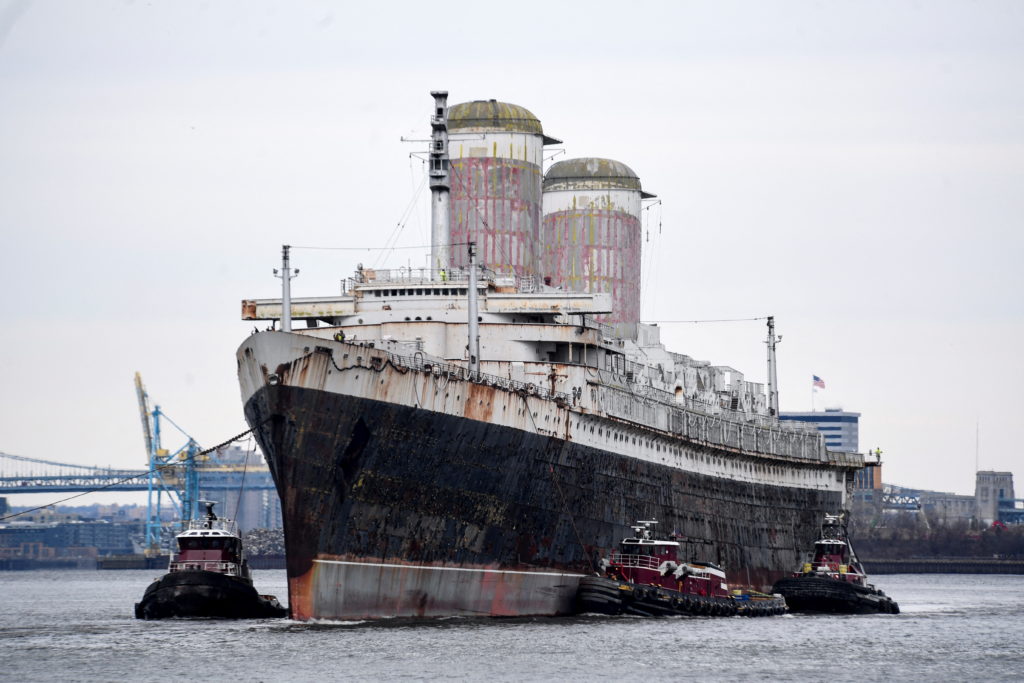
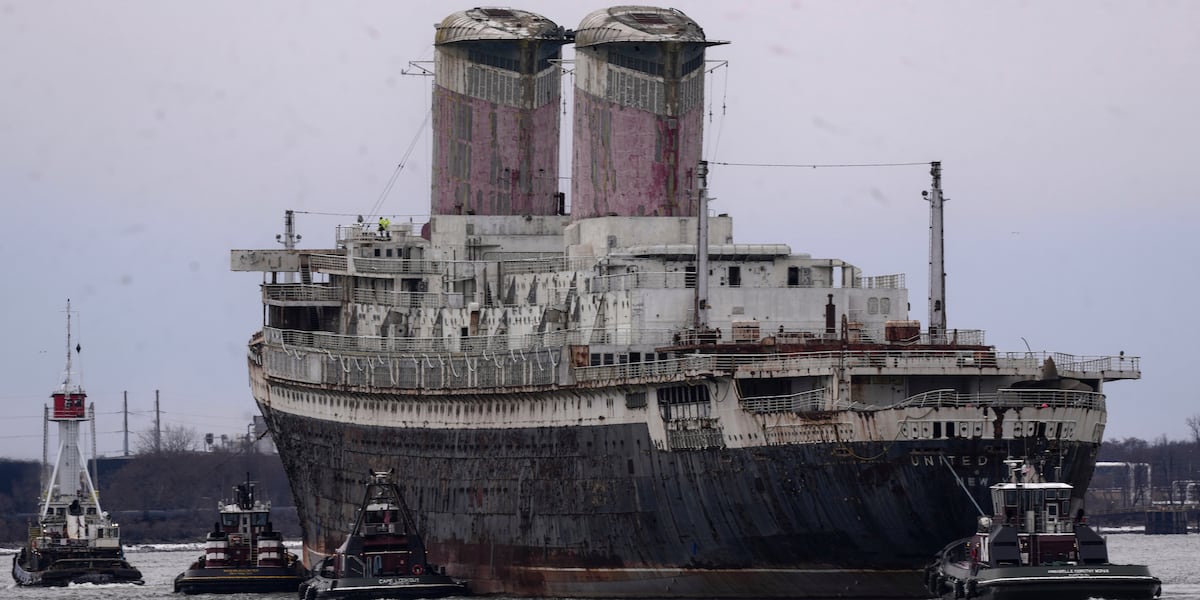
- The historic SS United States, once the world's fastest ocean liner, was deliberately sunk in the Gulf of Mexico off Florida on Wednesday, November 11.
- The vessel was sunk as part of a $13.5 million project to turn it into the world's largest artificial reef, attracting divers and fishing enthusiasts while creating a habitat for marine life.
- The controlled sinking took several hours, longer than organisers had initially expected.
- Crews had filled 128 fuel and lubricant tanks with water to help the ship settle evenly on the ocean floor.
- By around 9 pm, the giant vessel tilted to one side before finally disappearing beneath the surface.
- Divers have already signed up to explore the wreckage, and in just 24 hours, folks and fish should be able to see this new underwater habitat.
- Niuhi Dive Charters says divers from all over the world have already signed up to explore on Friday.
- Freeland explained that a minimum 24-hour wait is required because the ship could hit the bottom violently, dislodging equipment and releasing bubbles.
- Aquatic Charlie, charter boat captain for Wavecutter Charters, said that underwater structures, if inspected and installed correctly, provide an incredible habitat for local fisheries.
- Rothfus noted that artificial reefs attract algae, which leads to more fish, creating a big process of increasing marine life.
- Charlie said the sinking timed well with the winter season, when the camp typically pauses, but by spring it should be popping with wildlife and cool fish.

The SS United States, launched in 1951 and longer than the RMS Titanic, was sunk to become the world's largest artificial reef off Florida's coast. The controlled sinking took several hours, with crews filling 128 tanks to ensure stability.123
"For those of us who love shipwrecks... it was way more tragic to see it sitting and rusting away at the dock," said wreck diver Karen Flynn. The project, costing $13.5 million, aims to attract divers and enhance marine life habitats.

"Anytime you have these underwater structures... they provide an incredible habitat for all of our local fisheries," noted charter boat captain Aquatic Charlie. Divers from around the world are set to explore the wreckage after a 24-hour safety wait to allow the ship to settle.911
Okaloosa County tourism director Jennifer Adams stated that reefs generate $10 million to $12 million annually for the county, with expectations for increased economic benefits following the sinking. Plans are underway for additional artificial reefs, with Adams expressing a mix of sorrow and hope for the future of the site.
The SS United States joins the USS Oriskany, sunk in 2006, as part of Florida's extensive artificial reef program, which has created over 4,000 reefs since 1940. The National Oceanic and Atmospheric Administration reports that visits to these reefs generate nearly $1 billion in annual economic benefits.
“The $13.5 million project involved filling 128 fuel and lubricant tanks with water to help the ship settle evenly, and the sinking took several hours, longer than expected. Divers from around the world have already signed up, with Niuhi Dive Charters planning access on Friday, and experts like Aquatic Charlie highlight the reef's potential to boost local fisheries.”
 NPR