Sources: 
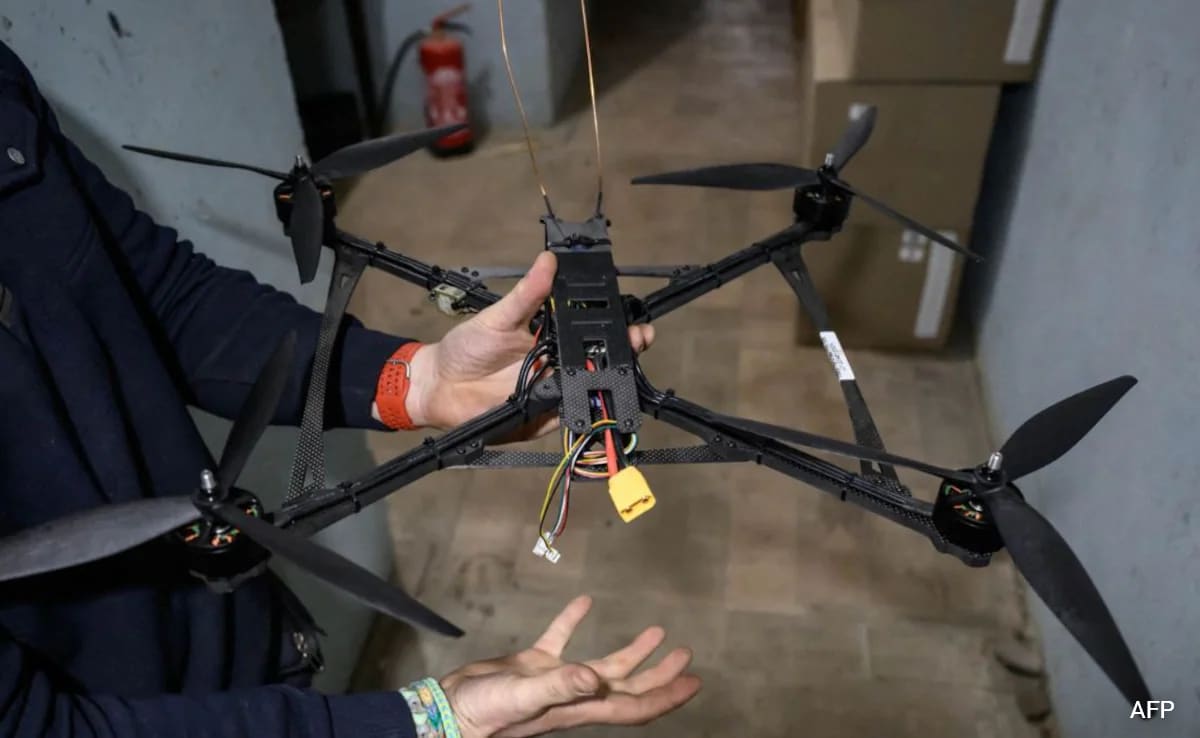
Hezbollah's innovative use of fibre-optic drones is reshaping the threat landscape for Israeli forces in southern Lebanon.
With the recent loss of an Israeli soldier and injuries to five others from a drone detonation, the military grapples with an unprecedented level of aerial engagement.
“Hezbollah is using devices linked to their launch site by a thin fibre-optic cable,” allowing control beyond the range of traditional electronic warfare tactics.
Israeli Prime Minister Benjamin Netanyahu acknowledged the escalating threat, stating,
“I gave instructions a few weeks ago for a special project to destroy the drone threat.” Israel is facing a potential game changer; the military confirmed the loss of
two soldiers and one civilian contractor within a week due to FPV drone attacks.
These drones, costing between
£300 to £4,000 to assemble, present challenges that are both financially and logistically unsustainable for Israel.
“Since the drone does not transmit the image via radio broadcast and does not receive guidance commands via a radio receiver, it cannot be detected by electronic intelligence means or blocked through electronic warfare,” noted expert Arie Aviram.
As Israeli reservists report an average of
10 drone alerts per day, the urgency for military adaptations grows.
The defence ministry's recent call for proposals emphasizes the imminent need for solutions to counter these evolving threats.
Hezbollah's aerial strategy significantly ramps up pressure on an already tense security situation in the region.
Sources: Hezbollah's deployment of fibre-optic drones is posing a significant threat to Israeli forces, resulting in multiple fatalities. Recent attacks have seen one soldier killed and several injured by explosive drones, highlighting Israel's struggle against this new aerial warfare tactic not encountered in prior conflicts.