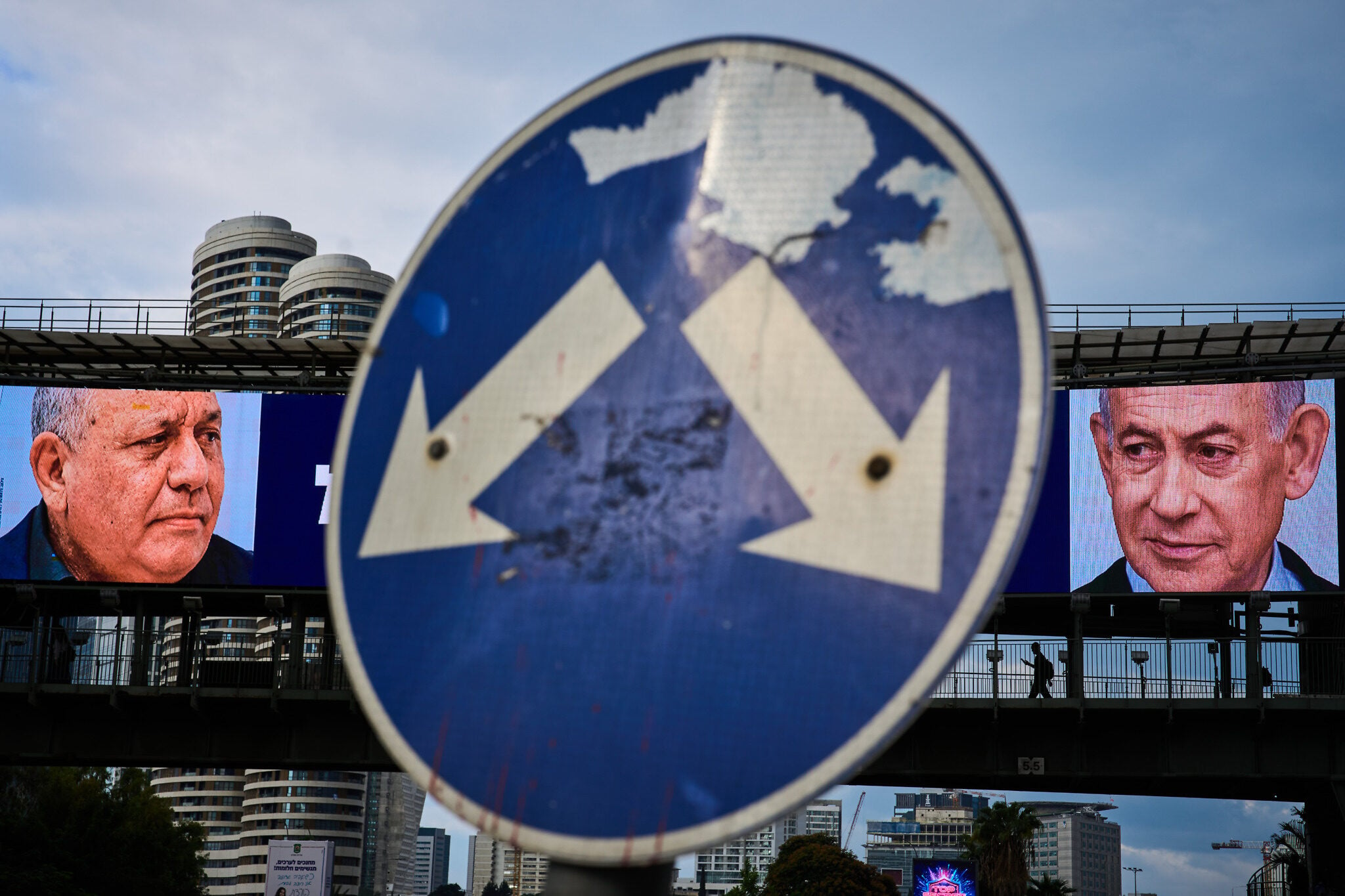
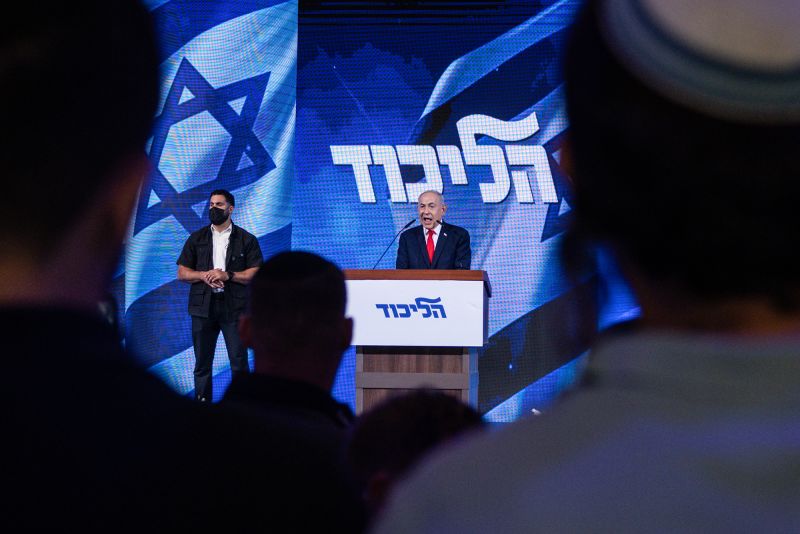
- Israel's Arab parties, which won a record-breaking 19 seats in last week’s general elections, are set to back opposition leader Gadi Eisenkot’s bloc, further trampling Israeli Prime Minister Benjamin Netanyahu’s chances of leading another government.
- The Likud-led conservative coalition won 53 seats in a Knesset of 120 seats, falling short of a majority, while the opposition bloc, led by Eisenkot, won 48 seats.
- The Arab-led Joint List and Ra'am won more seats than ever after Arab voters doubled their turnout to about 80 percent.
- President Isaac Herzog plans to summon representatives of each of the parties elected to Israel's new Knesset to begin consultations starting Wednesday.
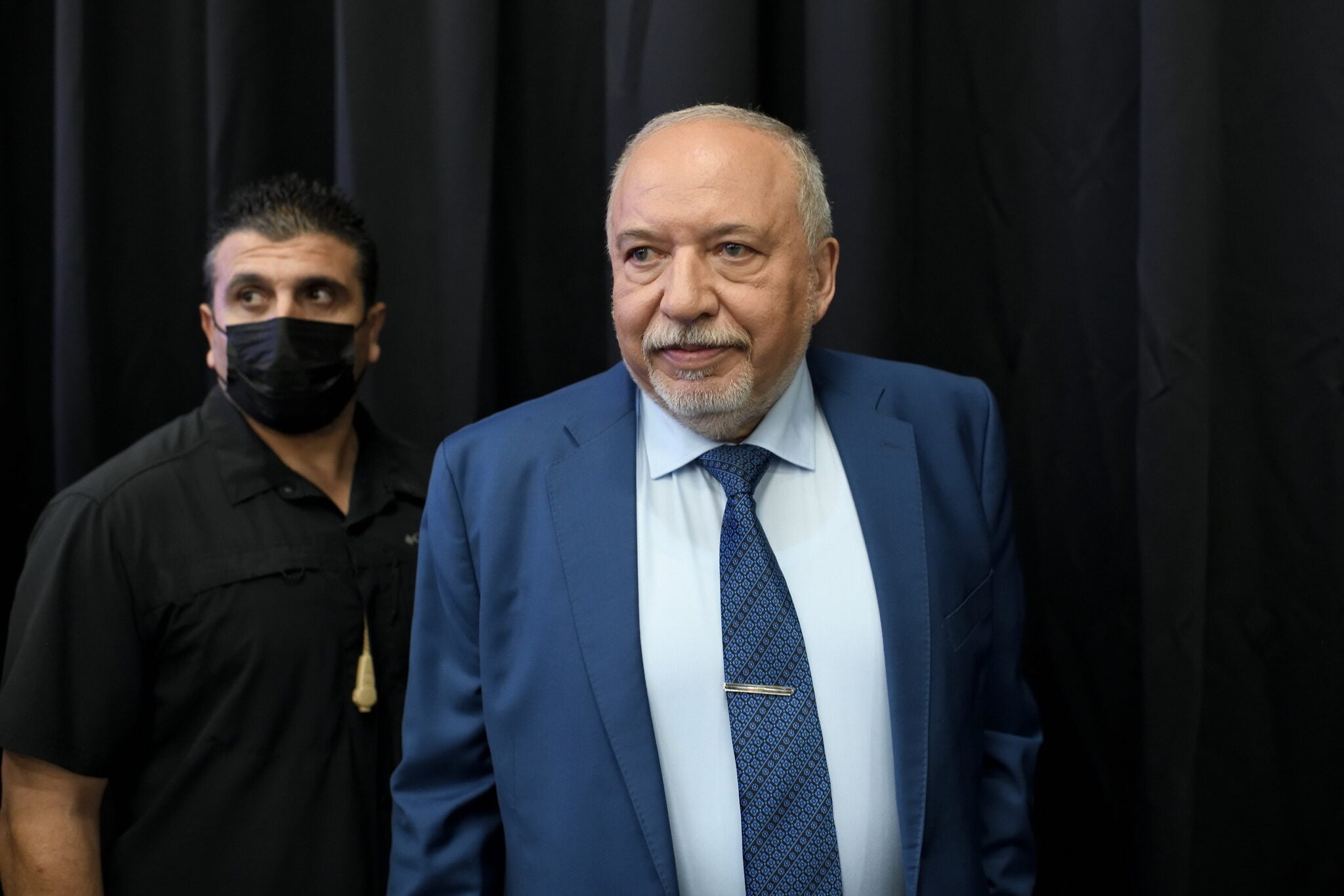
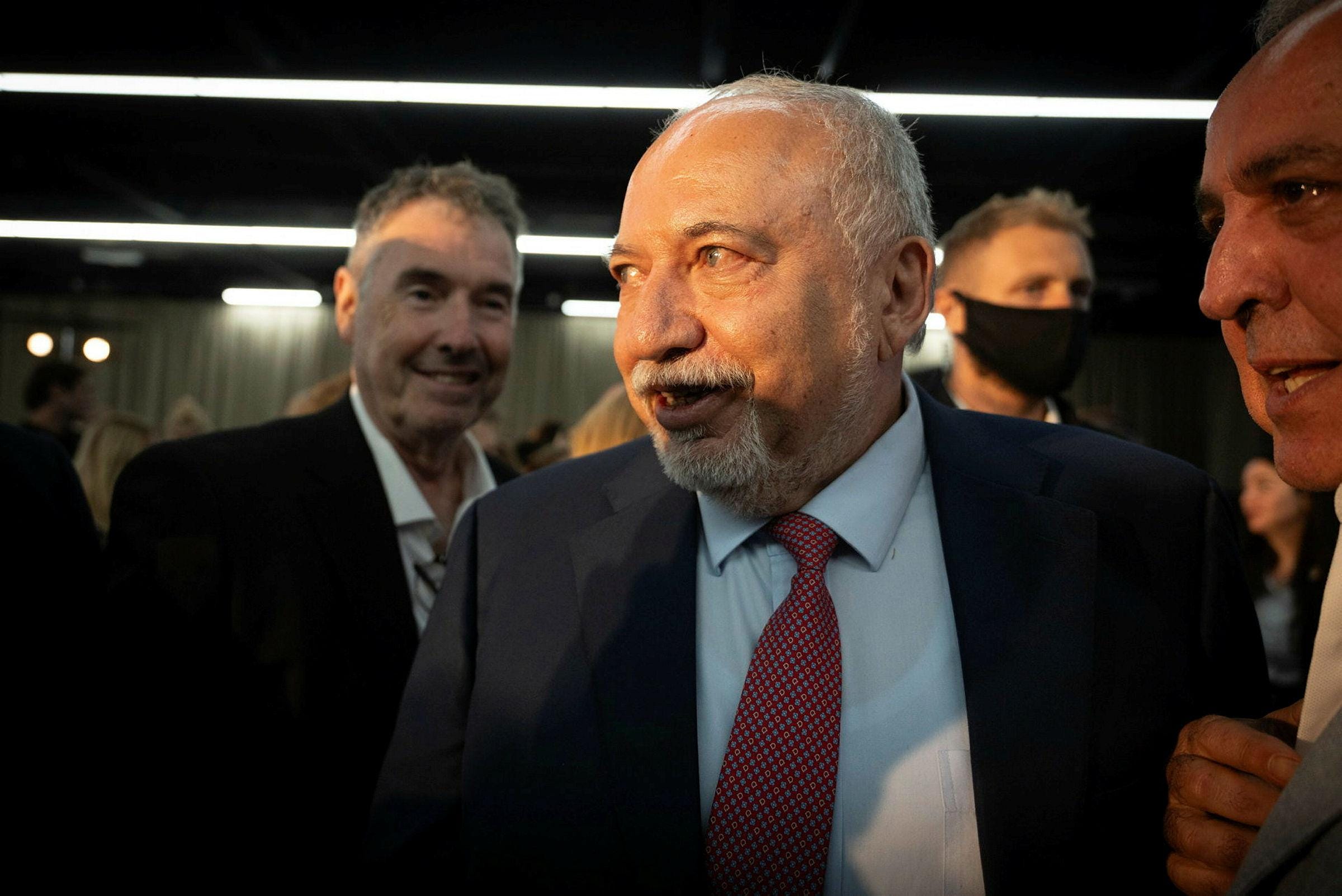
- Yisrael Beytenu, Beyachad, and Yashar have announced support for Eisenkot, while Shas and Likud back Netanyahu.
- United Torah Judaism remains undecided, with observers noting the change bloc has more room to maneuver.
- The election results will be certified on Wednesday, after which Herzog will choose the candidate most likely to form a coalition.
- The opposition bloc earlier placed conditions on any coalition with the Arab parties, saying they must accept Israel as a Jewish state, back army conscription, and denounce Hamas as a terror group.
- Despite earlier rulings, the Arab bloc has been open to working with the opposition, with indications that Eisenkot may drop conditions for outside support.

Israeli President Isaac Herzog is set to begin coalition consultations as support for opposition leader Gadi Eisenkot grows, complicating Prime Minister Benjamin Netanyahu's chances of forming a government. The recent elections saw Arab parties winning a record-breaking 19 seats, aligning with Eisenkot's bloc, which secured 48 seats, while Netanyahu's Likud party garnered 53 seats, falling short of a majority in the Knesset.15
Herzog's consultations will commence with smaller parties, aiming to explore all options before engaging larger factions. The president's office emphasized the need for “fresh thinking” in coalition-building efforts. Notably, Yisrael Beytenu and Beyachad have already pledged support for Eisenkot, indicating a shift in political dynamics.
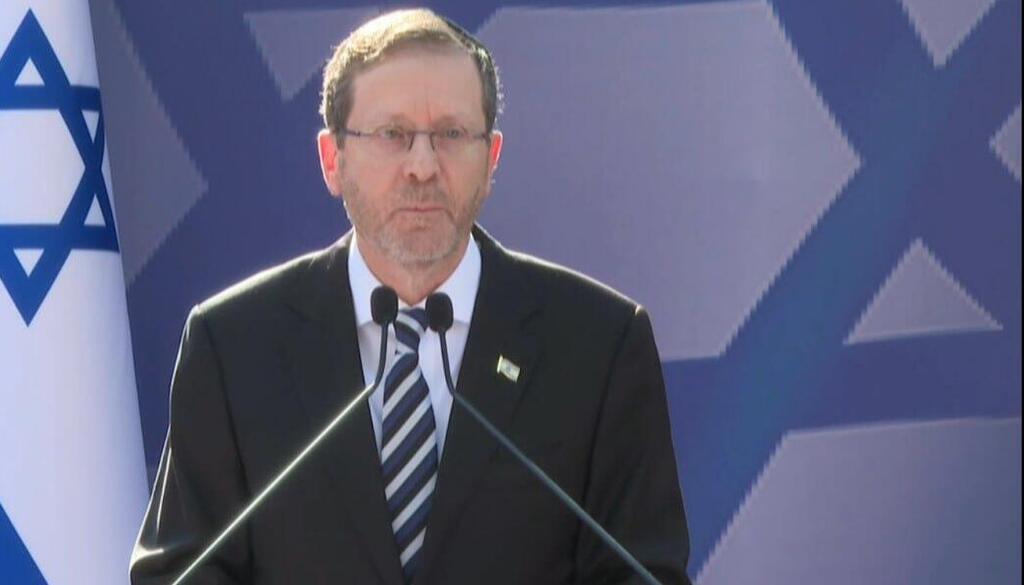
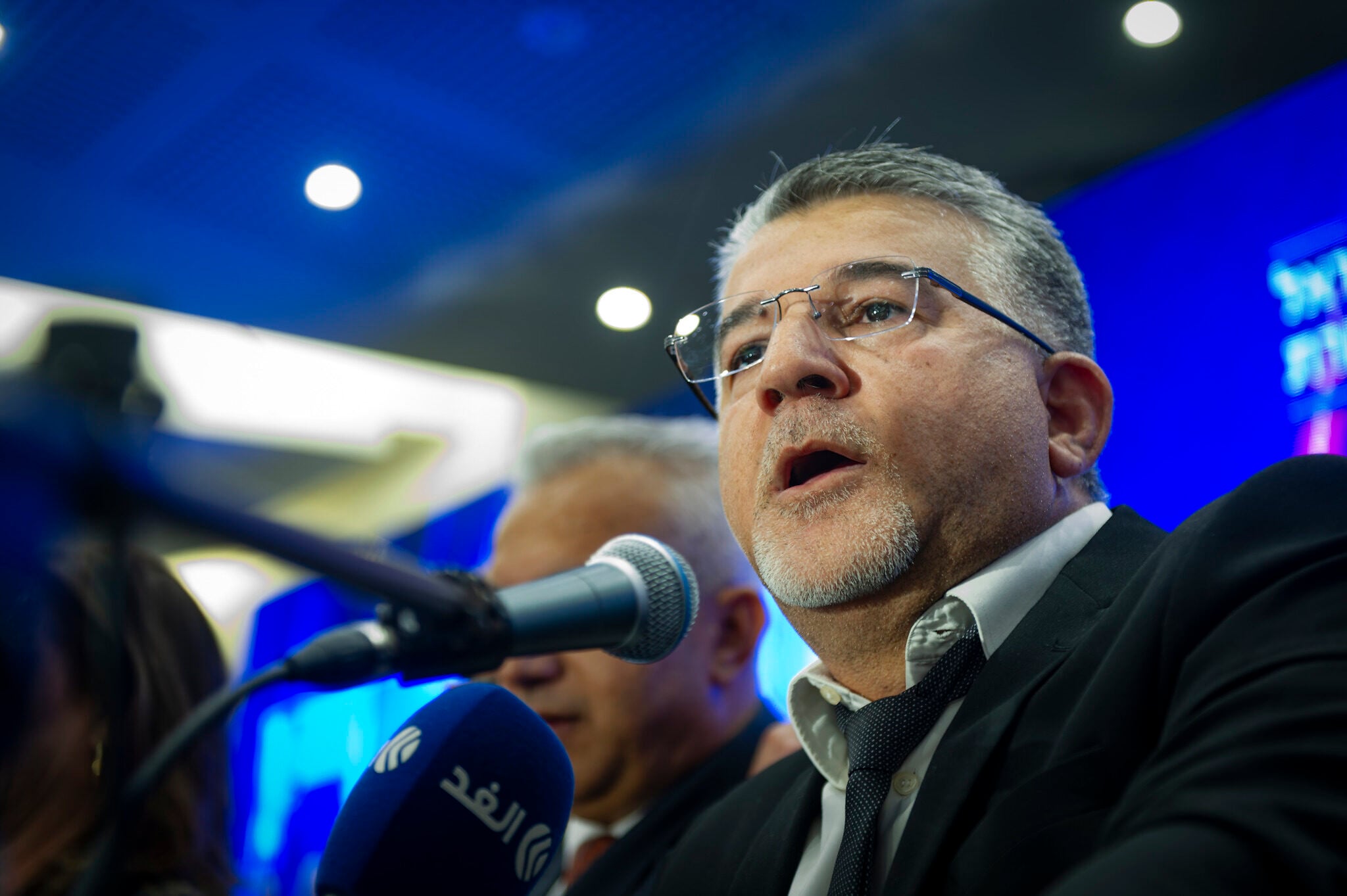
Despite the opposition bloc's potential, challenges remain. Eisenkot's coalition must navigate conditions set by Arab parties, including recognition of Israel as a Jewish state and denouncing Hamas. Amjad Shbita from the Joint List criticized Eisenkot, labeling him a “coward and a racist”, while expressing readiness to support efforts to oust Netanyahu.2311
As Herzog initiates these discussions, the political landscape remains fraught with uncertainty, with Netanyahu's Likud party expected to receive fewer recommendations than Eisenkot, intensifying the pressure on the incumbent leader.
“Arab parties won a record 19 seats with turnout doubling to 80 percent, and their backing could allow Eisenkot to form a minority government with fewer than 61 seats. However, Joint List's Jabareen said his party won't join a coalition but will vote with the bloc, citing the occupation of the West Bank.”
 Ynetnews