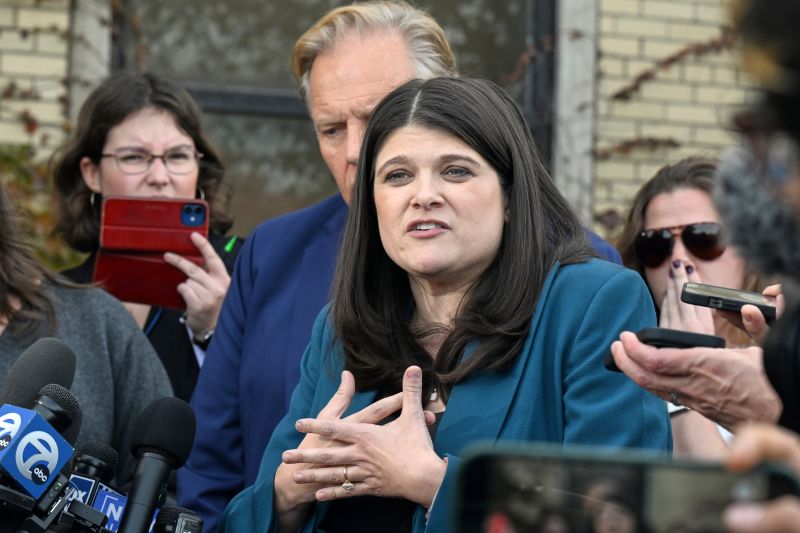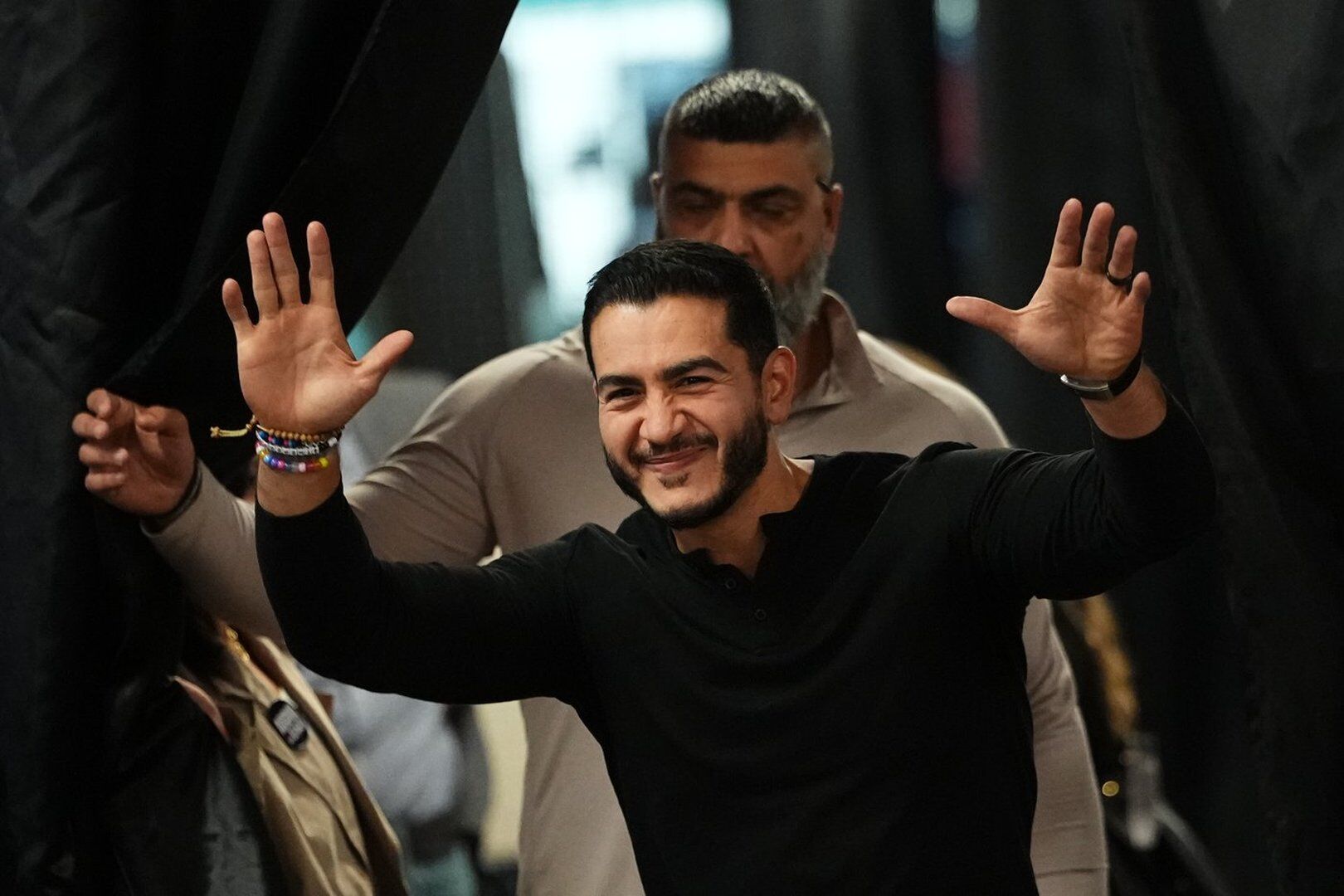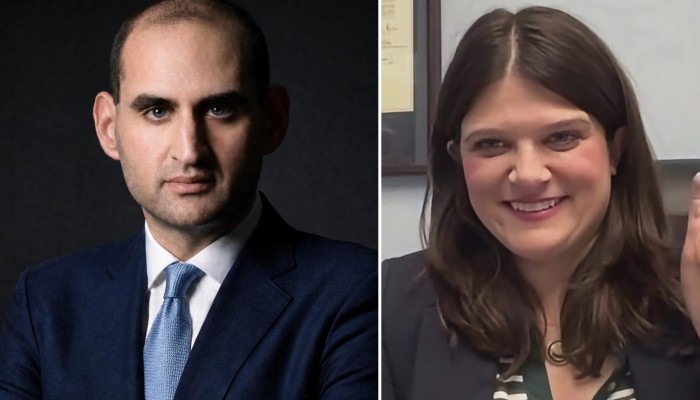
- Haley Stevens made a shocking decision to flip her endorsement from fellow Democrat Abdul El-Sayed to Republican Mike Rogers, two days before the November 3 election.
- Stevens stated that backing El-Sayed would have been living a lie, as he had barred her from campaigning with him after they clashed over Israel, which she deemed unacceptable for a senator.
- She expressed her frustration over El-Sayed's refusal to disavow an outside group's ad linking high grocery prices with US foreign aid to Israel, which she labeled as antisemitic.
- Republican operatives highlighted the potential impact of Stevens' endorsement as early voting approaches 50%.
- Between August and September, El-Sayed's support among African Americans held steady at around 75%, which is below the party's typical benchmark.
- Stevens' fiancé, Jason Turkish, publicly declared his intention to vote for Rogers, adding to the controversy surrounding her endorsement.
- Michigan Democratic Party Chair Curtis Hertel indicated that Stevens' endorsement could galvanize Democrats, while El-Sayed's campaign reported raising $2.4 million on Sunday, its largest fundraising day.


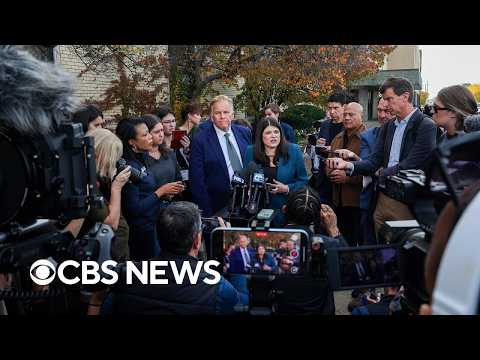
Michigan Congresswoman Haley Stevens has made headlines by endorsing Republican Mike Rogers over Democrat Abdul El-Sayed, citing El-Sayed's refusal to condemn an antisemitic advertisement as a pivotal reason for her decision. Stevens stated that supporting El-Sayed would have felt like "living a lie," emphasizing her discontent with his handling of the situation.1
Stevens expressed her frustration, saying, "I asked him to condemn disgusting antisemitism ... very politely, very respectfully." Her endorsement of Rogers, just days before the election, has sparked controversy and debate within the Democratic Party, with some viewing it as a betrayal of party values.

The ad in question linked high grocery prices to U.S. foreign aid to Israel, which Stevens labeled as antisemitic. El-Sayed, however, disagreed with the ad's content, leading to a rift between him and Stevens. This endorsement has raised questions about the potential impact on the election, with some GOP operatives suggesting it could sway undecided voters.

As the election approaches, reactions to Stevens' endorsement are mixed. Some believe it could strengthen El-Sayed's support among Democrats, while others argue it may attract Jewish voters to Rogers. "Haley, what she did was give a lot of Jews permission ... to vote for him," said Aaron Tobin, a conservative Jewish community leader, highlighting the endorsement's potential influence.
Despite the backlash, Stevens remains firm in her decision, stating, "I don’t want to own everything that any senator does." The fallout from her endorsement continues to unfold as the election date nears.
“Stevens cited El-Sayed's refusal to disavow an ad she called antisemitic, saying backing him would 'have been living a lie.' Her endorsement could shift Jewish voters, with one leader saying it gives 'permission' to vote Republican; meanwhile, El-Sayed's campaign raised $2.4 million Sunday.”

 South China Morning PostMS NOWFox News