- Haitians in the U.S. are facing imminent deportation as President Donald Trump has ended their temporary protected status (TPS), which affects over 300,000 individuals.
- The Supreme Court ruling to terminate TPS is set to take effect next Monday, leaving many Haitians with expiring permissions to live and work in the U.S.
- In Springfield, Ohio, where Haitians comprise about one-quarter of the population, there is growing concern about potential detention and deportation by federal agents.
- The mood among the Haitian community in Springfield is described as fearful, with many residents planning to stay indoors to avoid potential ICE actions.
- Some Haitians are considering relocating to areas with legal immigration status or even leaving the U.S. for countries like Brazil, Mexico, and Canada.
- Community leaders express that forcing Haitians to leave would not only harm them but also negatively impact the local economy.
- The Trump administration announced its intent to terminate TPS for Haitians last November, claiming that conditions in Haiti no longer warranted protection.
- Many Haitians are experiencing expired work authorizations that are not being renewed, leading to increased anxiety within the community.
- The situation is similarly dire for Hondurans and Salvadorans who are also awaiting decisions on their TPS status, with many feeling scared about their future.
Haitians in the U.S. are facing uncertainty as the Supreme Court's ruling to end temporary protected status (TPS) takes effect, impacting over 300,000 individuals.1
In Springfield, Ohio, where Haitians comprise about one-quarter of the population, community members express fear of imminent deportation.45
“The fear is pretty strong in our community right now,” said Louis, highlighting the anxiety felt by many immigrants.
Moise, a local resident, noted that some are considering relocating to friends or family with legal status, while others contemplate leaving the U.S. altogether for countries like Brazil or Canada.
“What I hear from most people is their plan is to just go in the house, lock the door and try to wait this out,” Ruby shared, reflecting the community's sense of hopelessness.
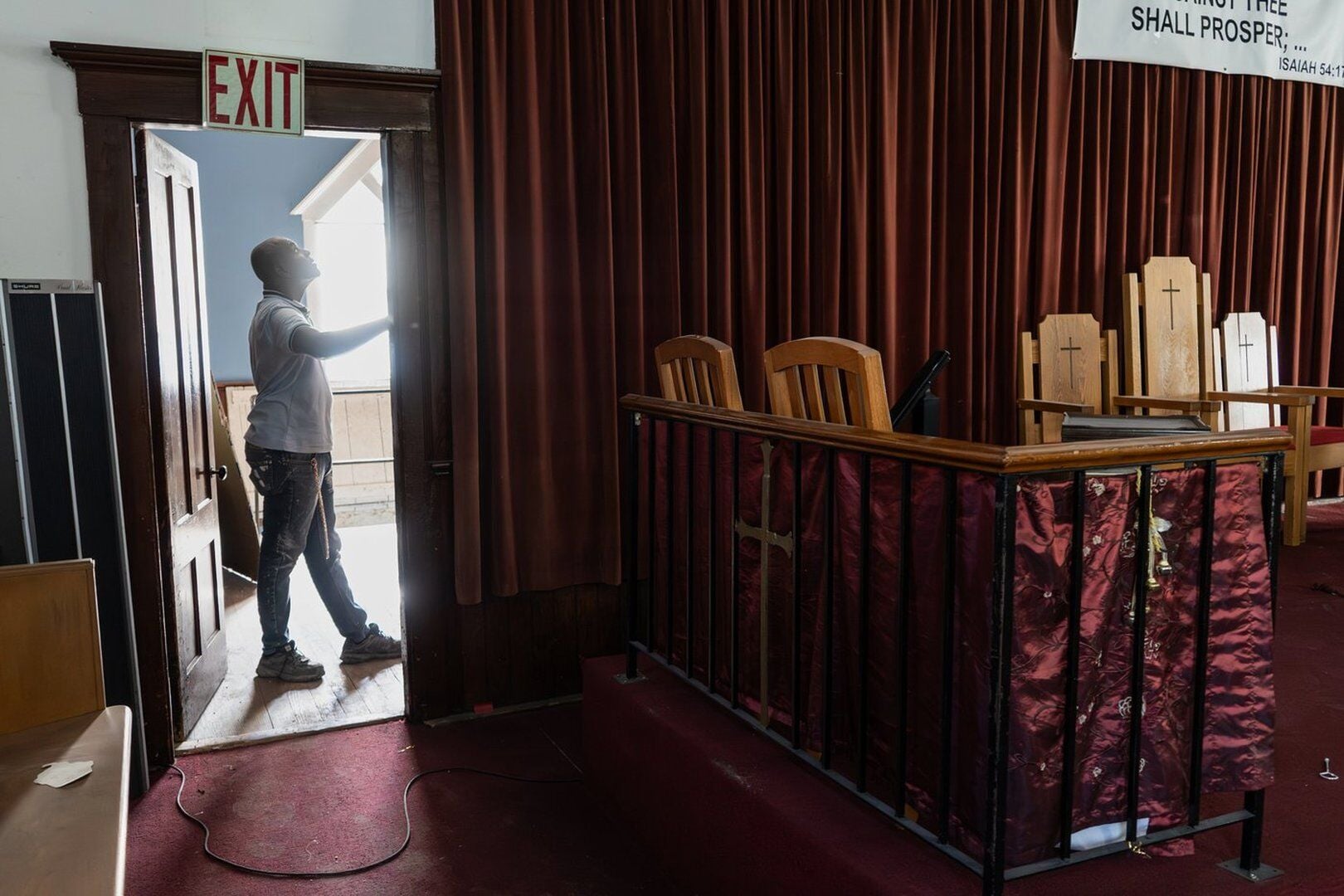
According to a 2023 analysis, Haitian TPS holders contributed nearly $984 million in taxes, underscoring their economic impact.
“Forcing thousands of Springfield's Haitians to leave the U.S. now would hurt both them and the local economy,” Ruby added.9
The Trump administration's decision, announced last November, cited improved conditions in Haiti, but many in the community disagree.10
“Even though they've known that this has been coming for some time, the reality is more and more grim every day,” Rollins stated.
As the deadline approaches, the community remains on edge, with many fearing for their safety and future in the U.S.
“More than 300,000 Haitian TPS holders now face expired work permits and potential deportation, as Springfield, Ohio's Haitian community—making up a quarter of the population—fears ICE raids and job losses. The ruling also affects Hondurans and Salvadorans, who fear imminent detention and are considering leaving the U.S.”




