- Hackers compromised a refrigeration supplier, tampering with cold-storage settings at three EFS sites, according to France’s national blood service.
- The attack occurred overnight on Monday, November 2, 2026, raising temperature and defrosting thresholds to extremely high levels.
- EFS detected anomalies via monitoring and alarm systems, allowing them to transfer products or neutralize equipment to prevent damage.
- EFS confirmed on Tuesday, November 3, that no blood products were lost or compromised during the incident.
- EFS notified the country's cybersecurity agency, ANSSI, and the Ministry of Health, which are currently investigating the incident.
- European authorities, including Italy's government and EU agencies, held urgent discussions on a collective response to the attack.
- The EFS is France’s public blood transfusion operator, responsible for collecting, testing, preparing, and distributing blood products to over 1,900 hospitals.
- Authorities and experts fear that these cyberattacks may be part of government-sponsored hybrid attacks following Russia’s invasion of Ukraine.
- Rafe Pilling, a senior director for threat intelligence at Sophos, suggested that the attacks could be a demonstration of capability by state-based actors or lone-wolf hackers.


Hackers targeted France's blood service, compromising control systems at three cold-storage sites and raising temperatures to dangerous levels. Fortunately, the French Blood Establishment (EFS) reported no loss of blood products due to effective monitoring systems that quickly detected the anomalies.
The attack occurred overnight on Monday, with the EFS stating, "temperature and defrosting thresholds were raised to extremely high levels". The organization emphasized that "no health consequences have been identified, and no blood products were lost". The affected equipment stored vital blood samples and frozen plasma, including materials intended for transfusion.27

The EFS confirmed that its systems were not directly targeted, and safeguards were in place to prevent any loss. "Monitoring and alarm systems quickly detected the anomalies, allowing staff to take action to ensure that no blood products or samples were compromised," the organization stated.4

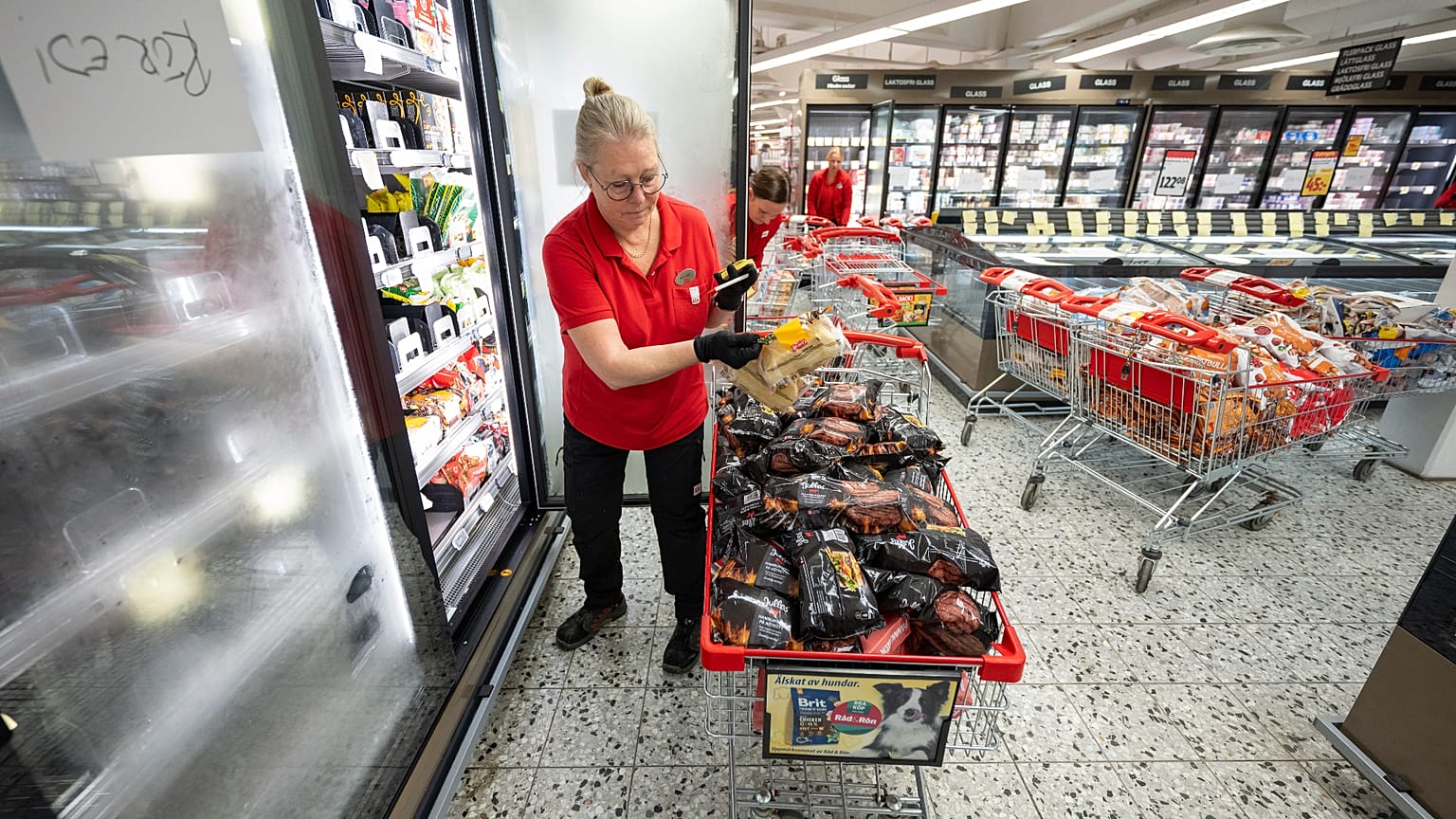
This incident is part of a broader trend of cyberattacks affecting critical infrastructure across Europe, with recent attacks also impacting supermarkets, where temperatures soared to 50C (122F), causing significant food damage. Authorities are investigating the incident, with France's national cybersecurity agency and the Health Ministry involved. The EFS continues to ensure uninterrupted blood collection and distribution operations for hospitals and healthcare services.
As cyber threats escalate, experts warn of potential government-sponsored hybrid attacks, particularly in the wake of geopolitical tensions following Russia's invasion of Ukraine.
“The attack hit a refrigeration supplier, not EFS's own systems, and EFS moved stored products to other facilities as a precaution. France's cybersecurity agency ANSSI and the Health Ministry are investigating, while EU officials call for collective resilience against such 'not isolated incidents.'”
The GuardianLe Monde.fr