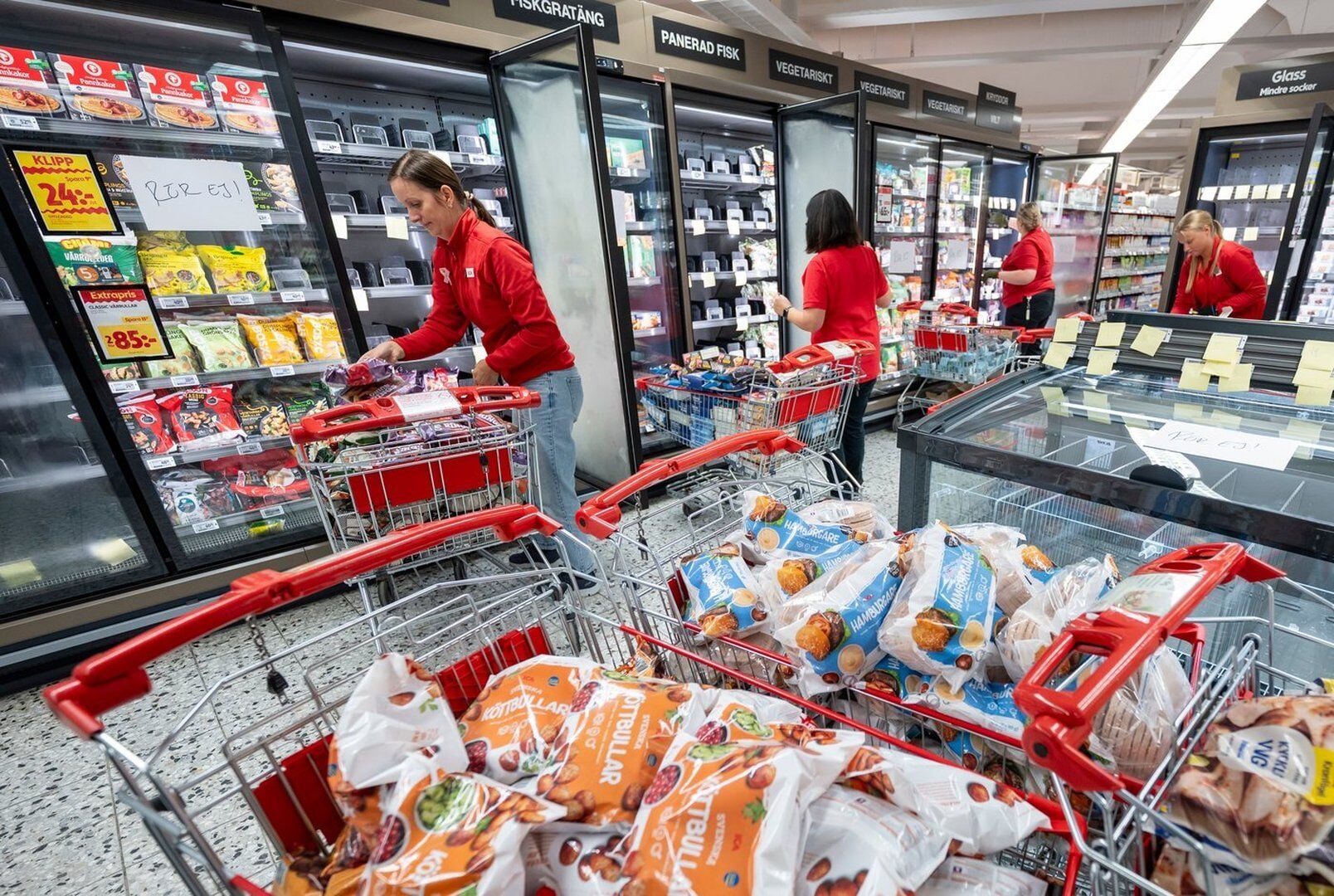
- Supermarkets in at least half a dozen European countries, including Sweden, Belgium, Luxembourg, Ireland, Italy and Estonia, reported problems on Monday.
- One Swedish supermarket said its fridges and freezers had been hacked and set to 50 degrees Celsius (122 degrees Fahrenheit).
- The attack affected smaller businesses too: a butcher shop in Athens had its refrigeration unit temperature raised to 150 degrees Celsius (302 Fahrenheit), and it took a technician two hours to regain control.
- French cybersecurity investigators blamed problems with outdated remote control modules made by Danish company Danfoss as well as U.S.-based Copeland.
- Officials and experts point to poor cyber hygiene as the cause: internet-facing controllers, end-of-life firmware, and default passwords were exploited.
- There is no evidence AI was used in the attacks; experts say the techniques exploited long-known vulnerabilities and did not require AI.
- France’s national cybersecurity agency, ANSSI, has been investigating since mid-October and coordinates protective measures.
- The incidents are not isolated and have prompted meetings among Italian and EU officials.
Supermarkets in at least six European countries, including Sweden, Belgium, and Italy, reported significant cyberattacks on their refrigeration systems, with one Swedish store's units set to 50°C (122°F). The attacks, which also affected a butcher shop in Athens, raised alarms about the security of connected appliances.
The owner of the butcher shop in Kifisia, George Boubas, noted that it took a technician two hours to regain control of the refrigeration unit after it was hacked to 150°C (302°F). He mentioned that other local businesses faced similar issues, prompting them to disable Wi-Fi connections to their refrigeration units to prevent further breaches.
French cybersecurity investigators attributed the attacks to outdated remote control modules from Danfoss and Copeland, with many affected systems lacking necessary software updates. Katerina Mitrokotsa, a cybersecurity professor, emphasized that these incidents serve as a wake-up call regarding the security of devices that are often treated as ordinary appliances.4
U.K. cyber minister Liz Lloyd stated that the attacks exploited known vulnerabilities, highlighting the importance of maintaining strong cybersecurity practices. Richard Horne from the U.K.'s National Cyber Security Center confirmed that many of the compromised fridges were connected directly to the internet with default passwords.
France's national cybersecurity agency, ANSSI, has been investigating these breaches since mid-October and coordinating protective measures across affected sectors. Meanwhile, the European Commission is urging collective resilience against such cyber incidents, as these attacks are not isolated events.78
“Experts blame outdated Danfoss and Copeland controllers with end-of-life firmware and default passwords, calling it 'technical debt coming due.' France's ANSSI has been investigating since mid-October and identified compromised systems in AK-SM, AK-SC, and Dixell xweb ranges.”