
- The Finance Ministry has proposed the Taxation and Other Laws (Amendment) Bill, 2026 to amend Section 10A of the Payment and Settlement Systems Act, paving the way for Merchant Discount Rate (MDR) on UPI and RuPay debit card payments to large merchants.
- The Standing Committee on Finance has warned that the zero MDR policy, mandated since January 2020, has made the UPI ecosystem financially unsustainable.
- The proposed amendments will allow the government to directly notify which electronic payment methods will remain exempt from MDR charges.
- Currently, 88 percent of all digital transactions in India occur over UPI, processing over 23 billion transactions worth close to ₹30 lakh crore every month.
- The zero MDR policy was introduced to promote digital payments, but it has led to a significant increase in operational costs for payment companies.
- The Standing Committee projected that UPI could expand tenfold, potentially adding another 600 million users and processing 100-150 billion transactions a month in the coming years.
The Indian government is moving to amend the Payment and Settlement Systems Act, 2007, potentially allowing Merchant Discount Rates (MDR) on UPI payments for large merchants.
The proposed changes, part of the Taxation and Other Laws (Amendment) Bill, 2026, aim to replace the current zero-MDR regime that has been in place since January 2020.12
Currently, UPI transactions account for around 88 percent of all digital transactions in India, processing over 23 billion transactions worth close to ₹30 lakh crore monthly.7
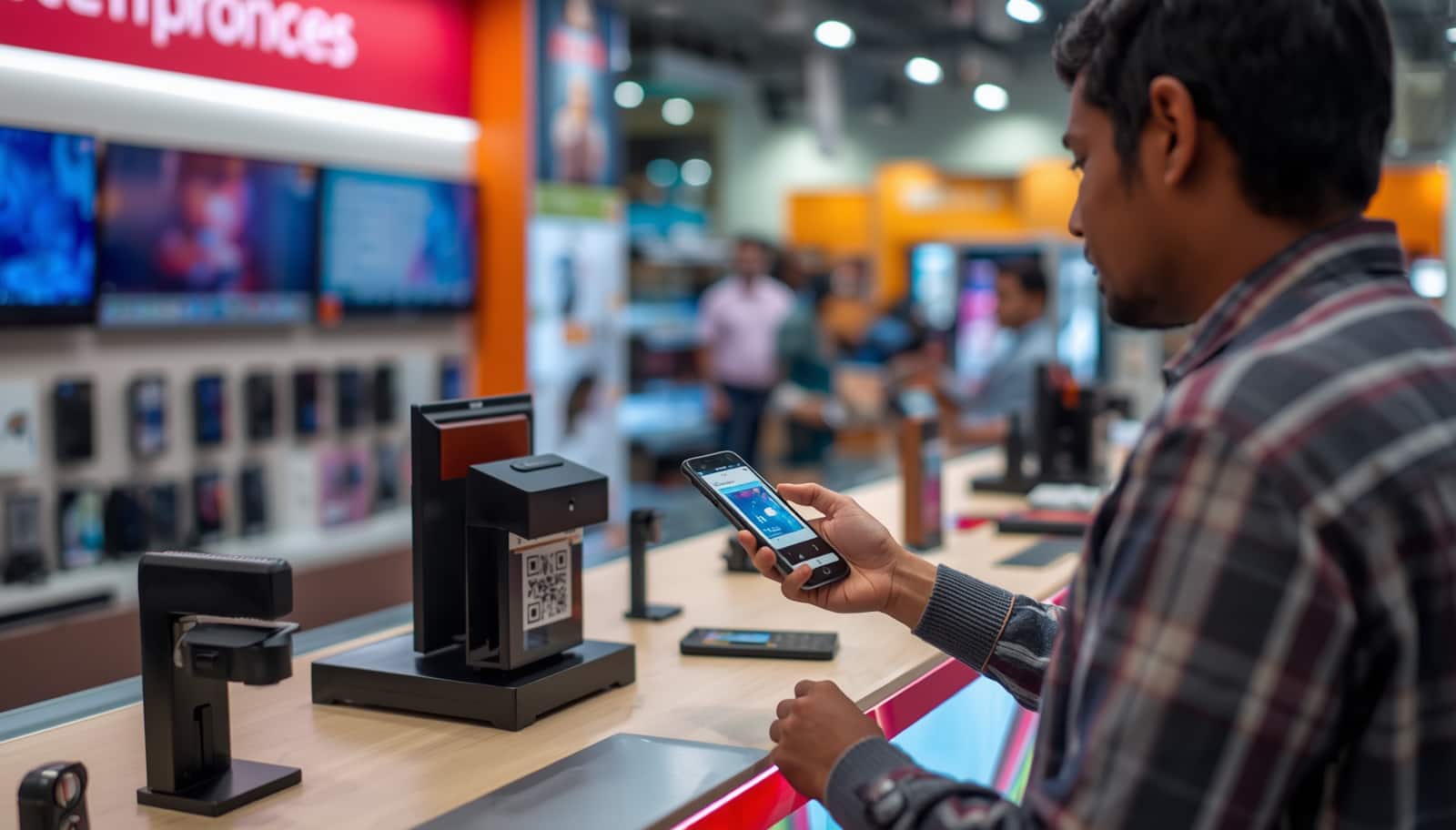
However, the absence of MDR has raised concerns about the financial sustainability of the UPI ecosystem, with the Standing Committee on Finance warning that it has made the system unsustainable.341011
The proposed amendments would allow the government to specify which electronic payment methods remain exempt from MDR, potentially impacting large merchants with annual turnovers exceeding ₹50 crore, such as Amazon and Flipkart.
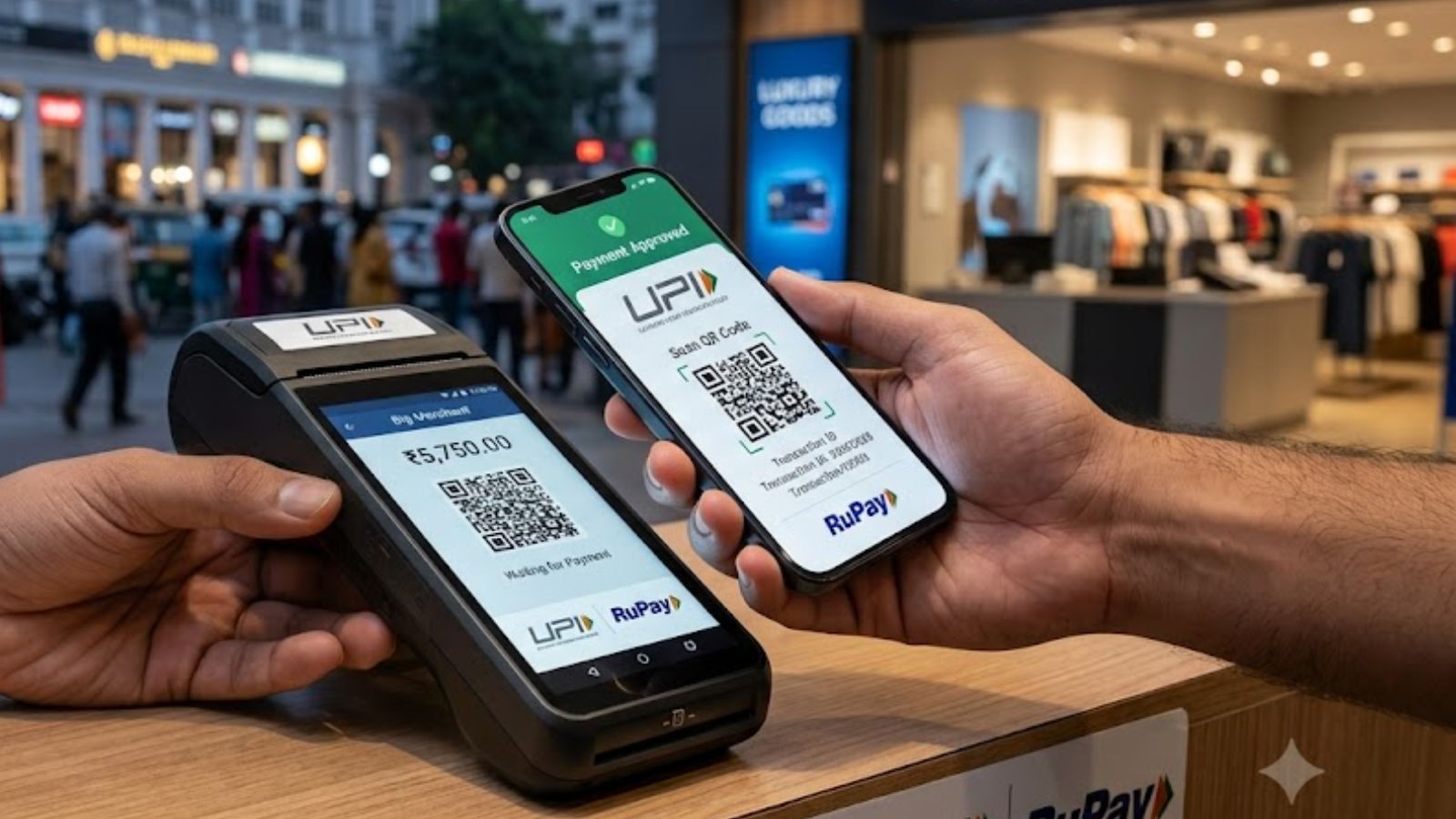
Fintech leaders, including Pine Labs’ CEO Amrish Rau, have welcomed the proposed rules, arguing that the zero-MDR regime has hindered growth and investment in digital payment infrastructure, which has surged by 300% in the past 12-24 months.
The government has not disbursed UPI subsidies for the last financial year, further complicating the financial landscape for payment companies.
The bill is expected to be tabled in Parliament soon, marking a significant shift in India's digital payment policy.
“Pine Labs CEO Amrish Rau welcomed the proposal, arguing zero-MDR slowed ecosystem growth and citing Brazil's PIX and China's systems charging 30-40 basis points with over 90% penetration versus India's 35-40%. A parliamentary panel warned absence of MDR makes UPI financially unsustainable as it processes 23 billion transactions worth ₹30 lakh crore monthly.”
 The Indian Express



