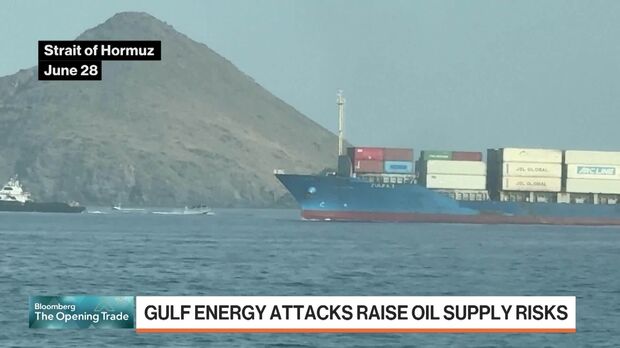
- Goldman Sachs predicts that Brent crude oil prices could exceed $120 per barrel by the fourth quarter if disruptions in the Strait of Hormuz continue, although this is not their base case.
- Despite the ongoing conflict, the Iran war has not yet triggered a global oil crisis due to various measures taken by governments and oil producers.
- Oil prices have increased due to the escalation in the Middle East and a decline in Persian Gulf oil flows to below 45% of pre-war levels.
- Before the conflict, nearly 20% of the world's traded oil passed through the Strait of Hormuz, making it a critical chokepoint.
- Iran's blockade of the strait has effectively removed 15 million barrels per day from circulation.
- In response to the crisis, the International Energy Agency announced a coordinated release of around 400 million barrels from strategic reserves.
- Oil producers globally have increased production, with the United States, Venezuela, and Norway all pumping more crude in the first half of the year.
- China, the largest oil importer, has stabilized the market by halting purchases for its strategic reserve and domestic refineries.
Goldman Sachs predicts that Brent crude oil prices could surpass $120 a barrel if disruptions in the Strait of Hormuz persist, although this scenario is not their base case. The ongoing conflict has led to a significant decline in oil flows from the Persian Gulf, now below 45% of pre-war levels.134
Analysts, including Daan Struyven, noted that the escalation in the Middle East has pushed oil prices higher. Samantha Dart from Goldman stated, “This increase in prices can continue.” Before the conflict, nearly 20% of the world’s traded oil passed through the Strait, but Iran’s blockade has effectively removed 15 million barrels per day from circulation.5
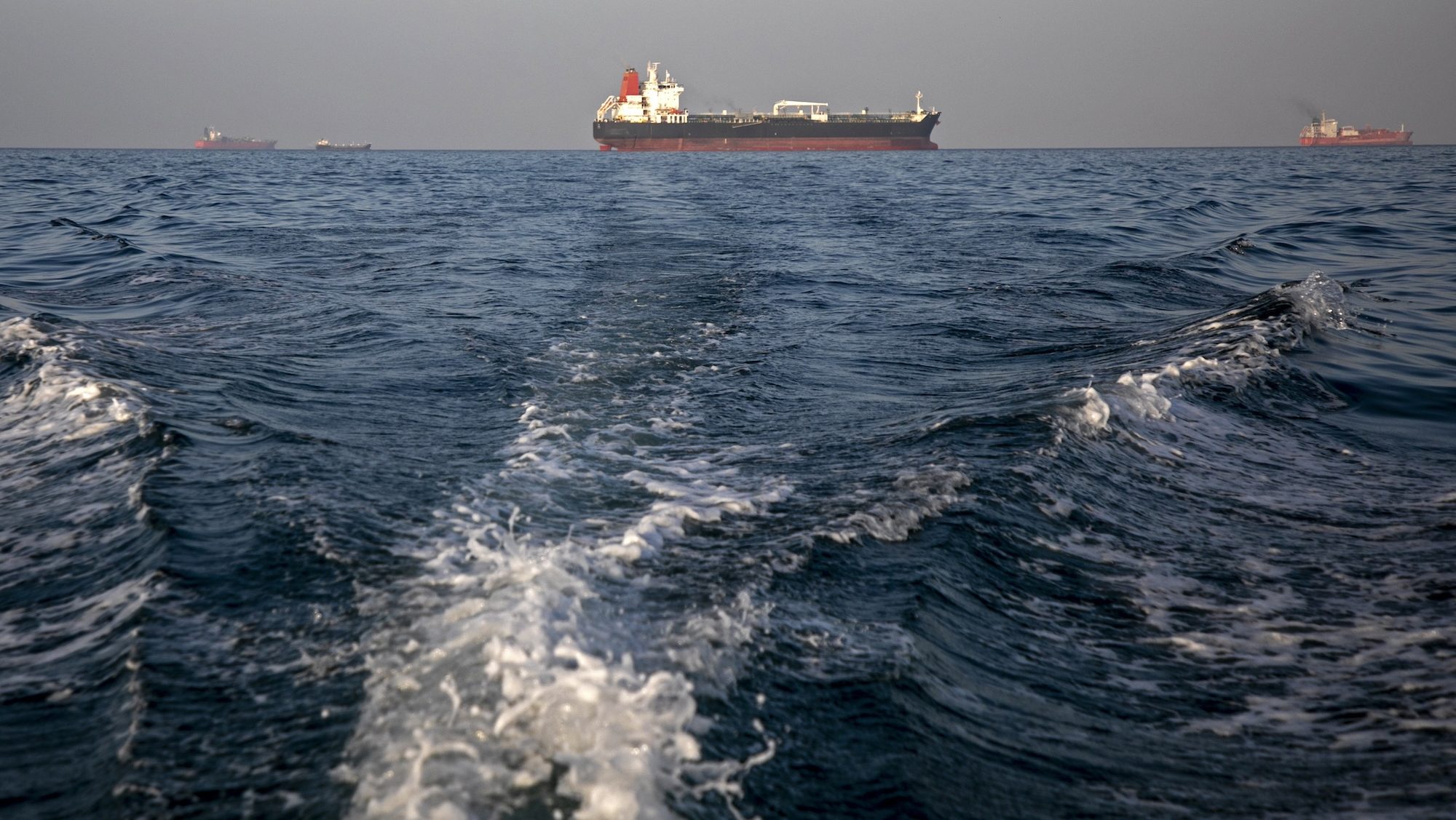
Despite these challenges, the International Energy Agency has announced a coordinated release of 400 million barrels from strategic reserves, enough to cover about 20 days of supply from Hormuz. Additionally, oil producers like the United States, Venezuela, and Norway have ramped up production to meet demand, while Iraq and Saudi Arabia have redirected over 6 million barrels per day through land pipelines.67
China, the largest oil importer, has also contributed to market stabilization by halting oil purchases for its strategic reserve and domestic refineries. Kevin Morrison from the Institute for Energy Economics remarked, “There have been multiple measures taken by governments both on the supply and demand side.” As the situation evolves, the market is adjusting to the realities of supply and demand, with prices expected to rise further if disruptions continue.8
“Countries ramped up production and the IEA released 400 million barrels from strategic reserves to offset supply loss. However, a tentative agreement to resume traffic collapsed and Iran closed the strait again, with analyst McNally warning prices will go 'really high' in 'Round 2' as demand is inelastic.”

 grist.org



