- Bond sell-off began in the US, sending the 10-year yield to 4.8%, its highest since end-2023, and the 30-year yield to over a two-decade high.
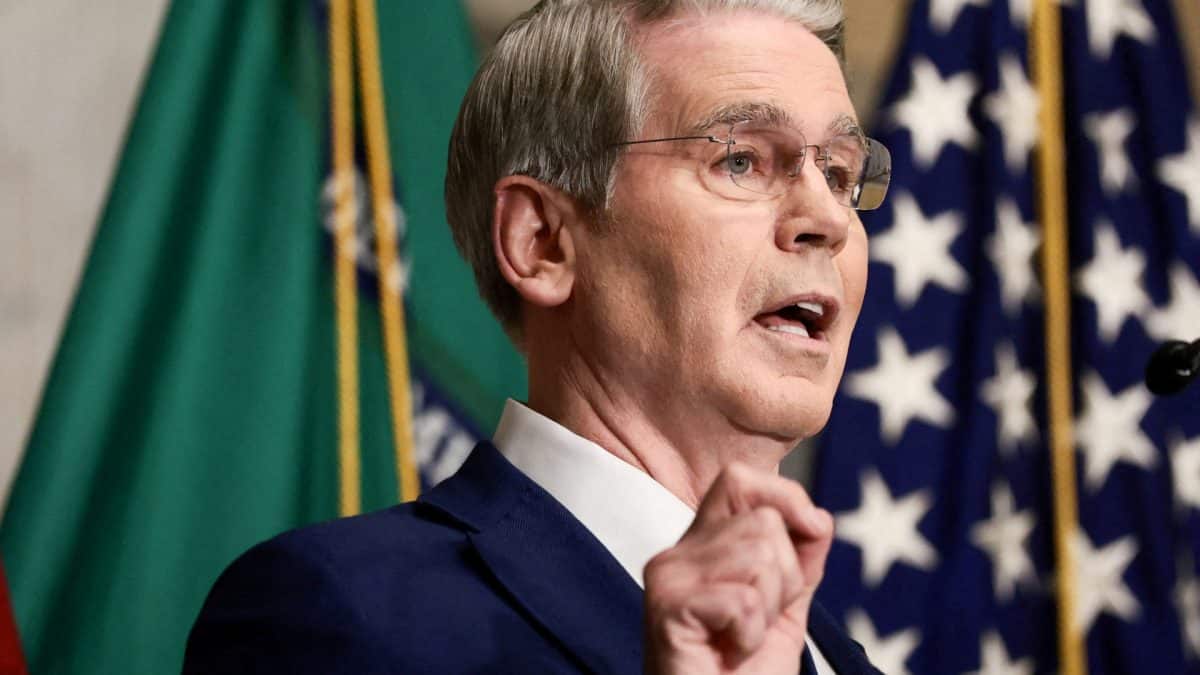
- The US Treasury, under Secretary Scott Bessent, intervened by buying back long-term bonds and campaigned with Japan to prevent bond sales, even joining the Bank of Japan to shore up the yen.
- Global media report chaotic bond market movements, with bond prices falling and yields rising across markets.
- Rising yields threaten to increase loan rates, worsen the affordability crisis before mid-term elections, disrupt the US budget, and widen the deficit.
- The focus of the sell-off in US markets was, surprisingly, government Treasuries, which are considered risk-free due to the perceived hegemonic strength of the US and the dollar's status as the dominant reserve currency.
- Bond sell-offs can occur when inflation erodes real bond values and central banks raise policy rates, making longer-term bonds less attractive.
- There appear to be no binding limits on US government borrowing, allowing the US to exploit this special status to borrow and spend without budget constraints.
- The Treasury's intervention in bond markets has shown that while the immediate impact raises prices and compresses yields, rates bounce back quickly.
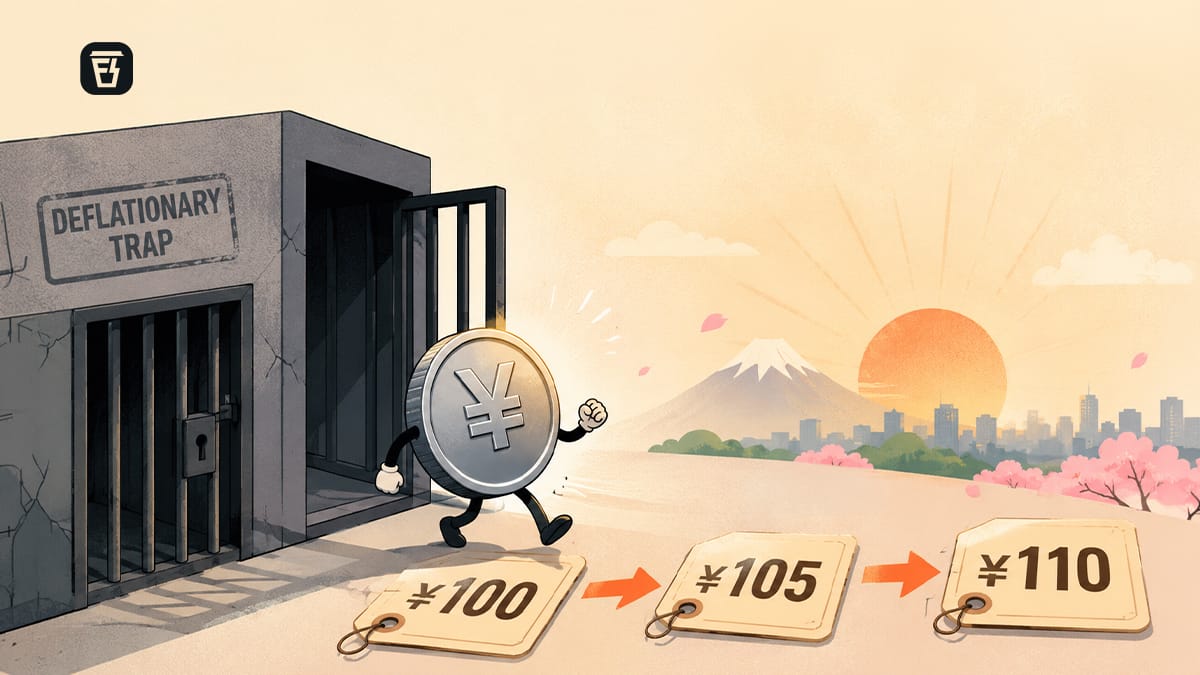
- The US Treasury has campaigned with Japan to prevent it from selling US bonds, but the effect has been limited.
The US Treasury is grappling with a significant crisis as a bond sell-off has pushed the 10-year yield to 4.8%, the highest level since the end of 2023. This surge in yields is attributed to rising inflation and expectations of increased interest rates, which have made dollar-denominated bonds less attractive to investors.126
The sell-off has primarily affected US government Treasuries, traditionally viewed as “risk-free” investments. However, the perception of the dollar's strength is waning, prompting concerns about the future of dollar hegemony. “If the dollar is not seen as being as strong as before,” analysts warn, “dollar-denominated bonds would look less attractive, prompting a sell-off.”5
In response, Treasury Secretary Scott Bessent has intervened, aiming to stabilize yields through significant bond purchases. He is also collaborating with the Bank of Japan to prevent further declines in the yen, which has seen limited success. “This time around, the volume of intervention is much larger,” Bessent noted, emphasizing the urgency of the situation.9
The implications of rising bond yields are profound, potentially leading to increased interest rates on mortgages and consumer loans, exacerbating the “affordability crisis” ahead of the mid-term elections. Furthermore, this could widen the federal budget deficit and necessitate additional borrowing, deepening the debt spiral.4
As the situation unfolds, the Treasury's actions will be closely monitored, with the potential for significant impacts on both domestic and global markets.
“The sell-off has driven the 30-year yield to its highest in over two decades, and rising yields could worsen the affordability crisis before November mid-term elections. Bessent's deal with the Bank of Japan to shore up the yen had only limited effect, with gains quickly lost.”