- U.S. Treasury yields were broadly higher on Wednesday as inflation and debt concerns pressured global government borrowing costs.
- The 10-year yield rose to 4.81%, its highest level since Jan. 2025, while the 30-year yield climbed to 5.286%.
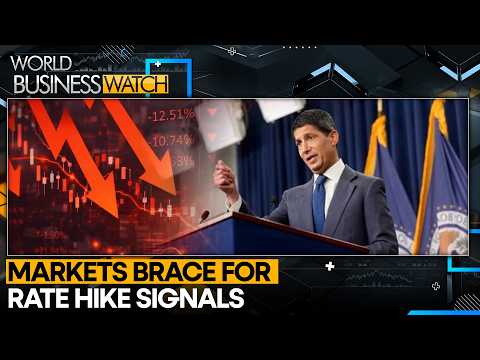
- Investors continue to demand a greater premium for medium- and long-term government debt, with expectations of rate hikes this month.
- Bond market participants point to structural shifts in buyer composition and supply-demand imbalances as key drivers of higher yields.
- Treasury Secretary Scott Bessent faces challenges in capping long-term borrowing costs amid these structural issues.
- The U.S. fiscal picture is deteriorating, with federal government debt raising concerns among investors.
- Bond investors increasingly question the safety of U.S. Treasuries, leading to a re-pricing of Treasuries as a risky claim.
- The change in the makeup of buyers has made Treasury bonds more vulnerable to periodic supply-demand imbalances.
Global bond yields have reached multi-decade highs, with the U.S. 10-year Treasury yield at 4.81% and the 30-year at 5.286%. This surge is driven by inflation concerns and a significant sell-off in Treasuries, prompting investors to demand higher premiums for government debt.12345
"Investors are now staring directly into the eyes of an inflation monster that threatens to become stronger unless action is taken," said Dan Coatsworth, head of markets at AJ Bell. Higher long-end Treasury yields are expected to persist due to a combination of supply and demand factors, complicating U.S. policymakers' efforts to manage borrowing costs.
The shift in the makeup of buyers in the bond market is also notable, with hedge funds and price-sensitive firms replacing traditional, less-sensitive buyers like overseas central banks. This change has increased market volatility and raised concerns about the safety of U.S. Treasuries, as highlighted by Hanno Lustig, a finance professor at Stanford University.
Additionally, corporate issuers are borrowing at a rapid pace, particularly in the tech sector, which is expected to invest heavily in AI infrastructure. This competition for long-term capital is pushing spreads between corporate and government bonds to narrow levels, according to Thierry Wizman, global FX and rates strategist at Macquarie. Corporate profits in the S&P 500 soared 52% in the second quarter, further complicating the landscape for U.S. Treasuries.
“Investors are demanding higher term premiums as hedge funds and price-sensitive firms replace central banks as marginal buyers, per Stanford's Hanno Lustig. Meanwhile, corporate issuers, led by AI data center builders, are borrowing heavily, with S&P 500 profits soaring 52% in Q2, making corporate debt appear safer than Treasuries.”

 CNBC
CNBC