- AfD won nearly 44% of the vote in Saxony-Anhalt on September 6, falling short of an absolute majority, which would have allowed them to govern alone.
- AfD co-leader launched a blistering attack on the CDU/CSU, declaring they will never win another federal election.
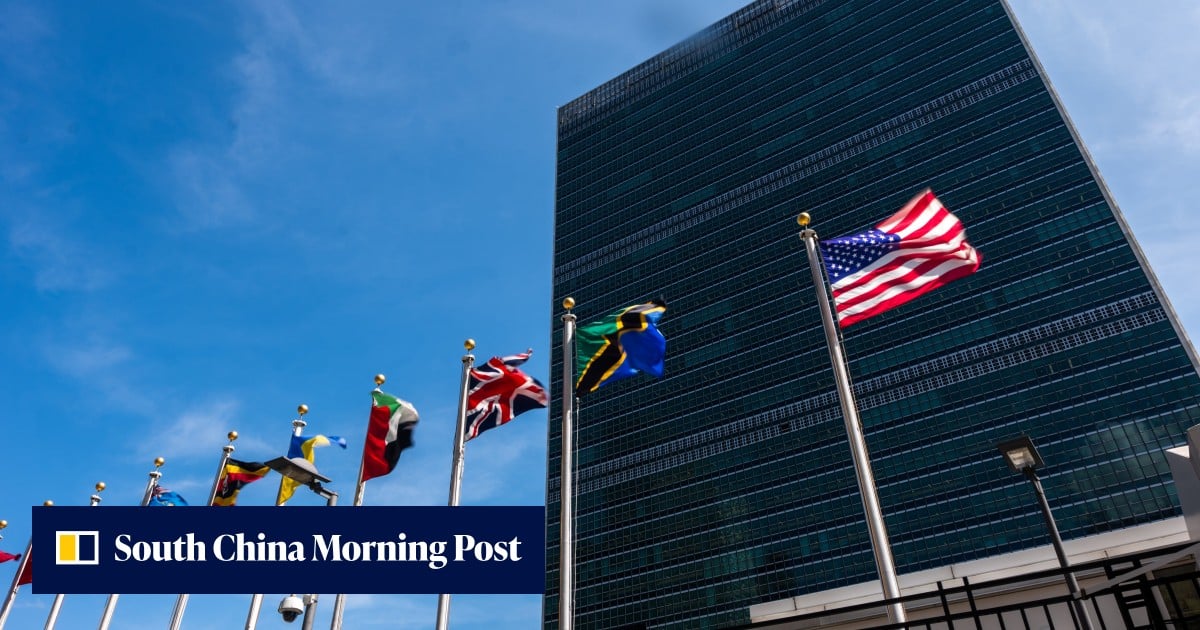
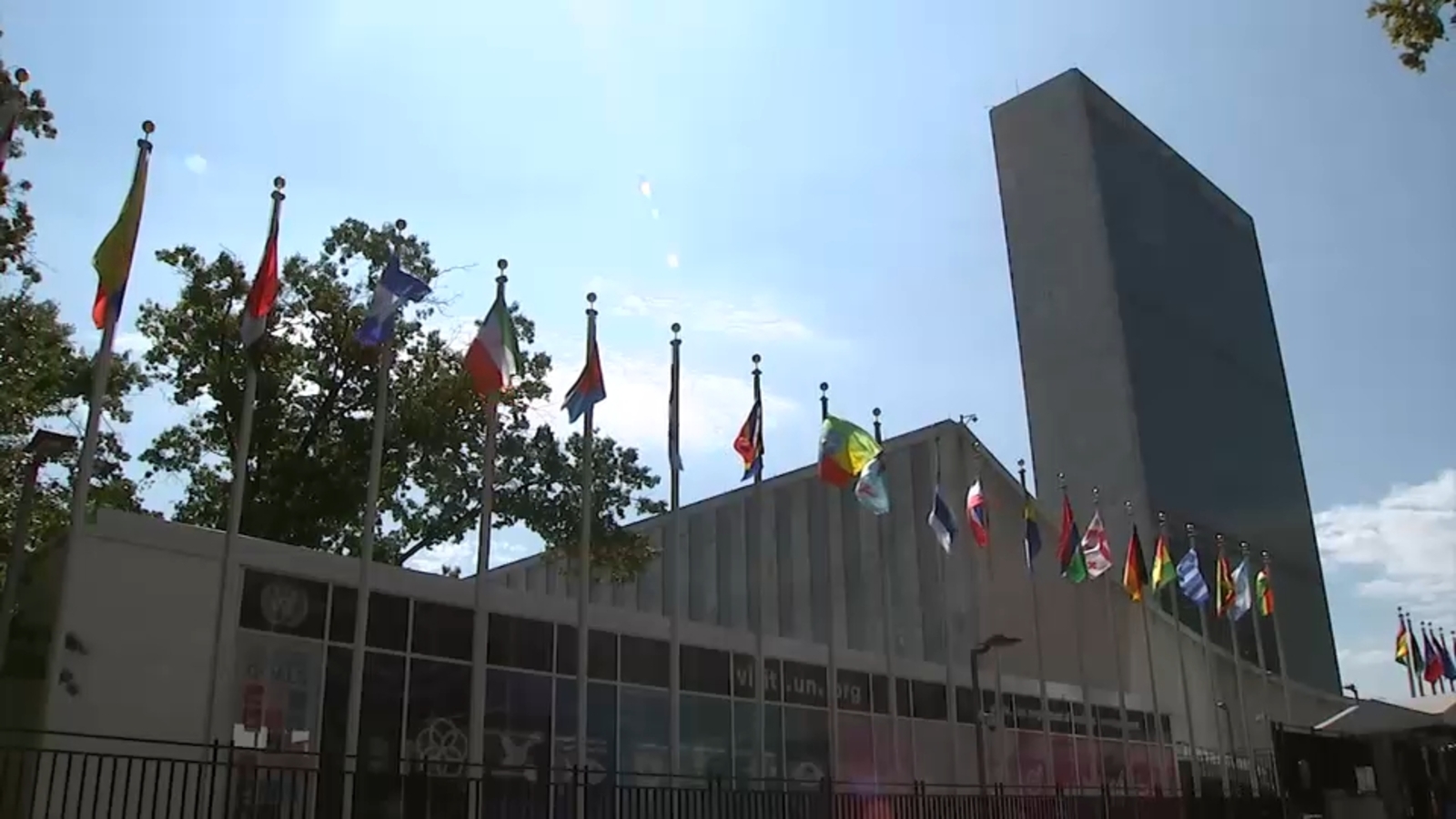
- In response to the seriousness of the situation, Merz canceled a planned trip to the UN General Assembly.
- Eight CDU state leaders publicly backed Merz, temporarily cooling speculation about potential successors.
- The federal government has adopted a 10-point plan to combat Islamist terrorism, which includes stricter surveillance and tougher penalties.
- Calls for a confidence vote could rise later this year if Merz loses support on crucial votes, particularly on the budget and planned economic reforms.
- Merz's poll ratings have suffered as the government grapples with a weak economy, leading to disillusionment among voters.
- The CDU faces a crisis of authority and leadership, with internal divisions becoming apparent.
- The AfD has ruled out any cooperation with other parties, complicating governance.
- The Bundestag can only oust Merz through a high bar requiring a majority to reject him and agree on a replacement.
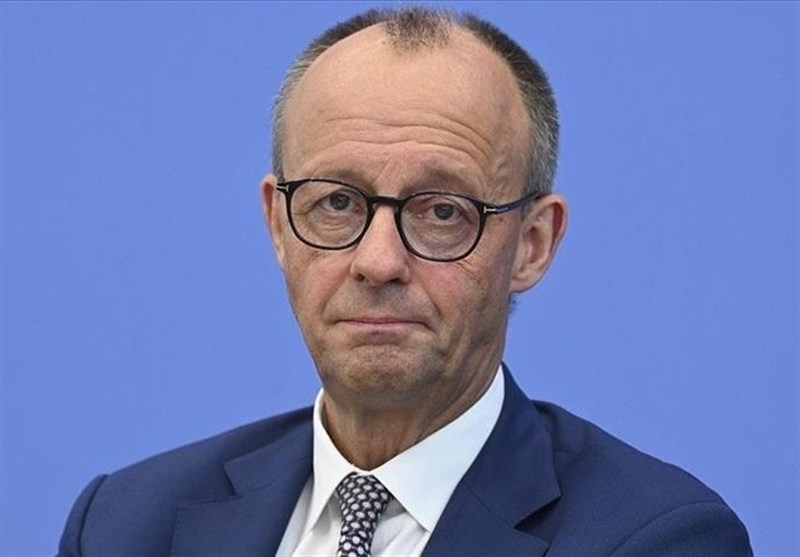
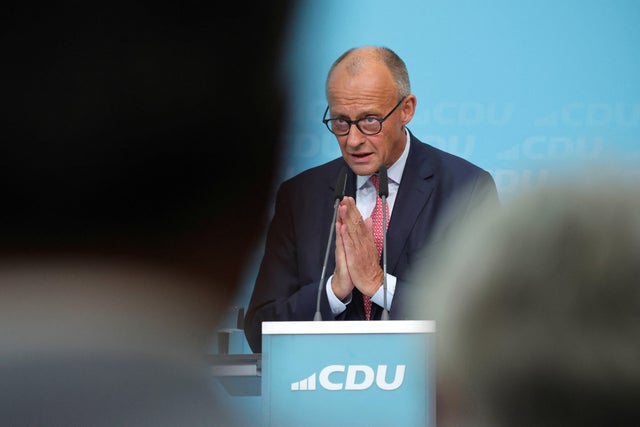
Germany's political landscape is shifting dramatically as the far-right Alternative for Germany (AfD) party gains traction, capturing nearly 44% of the vote in recent elections. This surge has intensified pressure on CDU leader Friedrich Merz, who is grappling with a weak economy and rising unemployment, which stood at over 3 million in August, an increase of 36,000 from the previous year.
Despite the AfD's electoral success, it has firmly rejected any compromises necessary for governance, stating that it prefers to govern alone to fully implement its agenda, which includes compulsory work schemes for asylum-seekers and abolishing public funding for immigration-related issues. This uncompromising stance complicates the CDU's position, as Merz faces a crisis of authority within his party, with many voters disillusioned by delays in promised reforms.9

Münstermann, a political analyst, noted, “The situation for people has not noticeably improved... If anything, it has gotten worse.” The AfD's radical rhetoric and internal tensions between its fundamentalist and pragmatic factions further complicate the political landscape. Even if the AfD were to form a coalition, public skepticism towards it remains substantial, with critics arguing that “that fact alone would not make it a more democratic party,” as stated by Haussmann.
As Merz navigates these challenges, he has canceled a planned trip to New York for the UN General Assembly, underscoring the seriousness of the situation he faces.4
“The AfD won nearly 44% of the vote in Saxony-Anhalt on September 6, falling just short of an absolute majority. Merz canceled a UN trip, and eight CDU state leaders backed him, but a confidence vote could rise later this year if he loses support on budget votes.”

 CBS News
 DW.com