 Jacobin
- In 2025, the Office for the Protection of the Constitution classified the AfD as a 'right-wing extremist' party.
- However, in February 2025, a court ruled that the AfD could not be classified as such, stating there was sufficient certainty of efforts against the liberal democratic order, but not as a premeditated strategy by the organization as a whole.
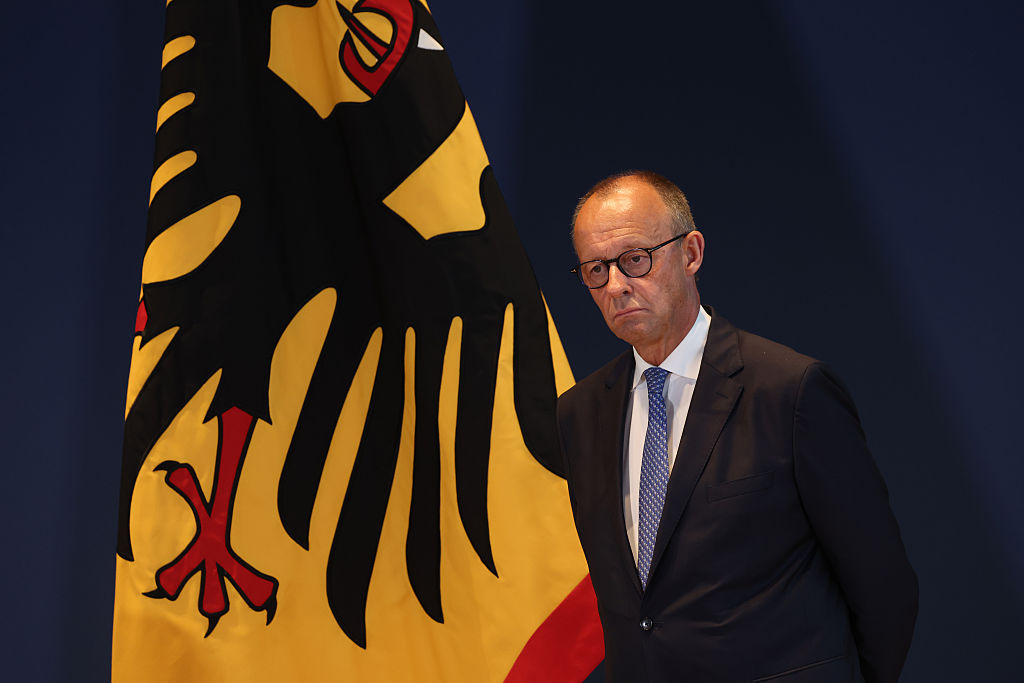
- In May 2025, Chancellor Friedrich Merz took office promising to halve AfD support, yet national polls show his party trailing the AfD by around 7 to 9 points.
- A GFF report published in June 2025 found that the AfD violates a constitutional clause, prompting over 1,000 jurists to sign a letter in July 2025 calling for a ban request.
- In August 2025, SPD co-leader Lars Klingbeil called for a ban on the AfD, while CDU MP Christoph Ploss opposed the idea, citing constitutional hurdles.
- The upcoming Saxony-Anhalt state election on September 6, 2026, is critical as the AfD is polling around 40 to 42 percent, potentially allowing it to govern alone.
- Following Saxony-Anhalt, elections in Mecklenburg-Western Pomerania and Berlin are scheduled for September 20, 2026, where the AfD is also gaining traction.
- The AfD has been classified as confirmed right-wing extremist by domestic intelligence agencies, yet it tops nationwide polls, indicating a significant shift in public support.
- The CDU's traditional coalition partners have shifted, with the party now facing a dilemma of potentially needing to work with the AfD due to dwindling options in the East.
- The CDU has historically positioned itself as the moderate anchor of the German center-right, but its identity is under threat as it grapples with the AfD's rise.
- Analysts warn that a coalition with the AfD could lead to the CDU becoming the junior partner in a far-right-led government, a scenario considered unimaginable.
Germany is facing a political crisis as the far-right Alternative for Germany (AfD) party gains unprecedented support, polling at 40-42% in Saxony-Anhalt. This surge raises the possibility of the AfD governing alone, a first for any far-right party in Germany since 1945.
The CDU, led by Chancellor Friedrich Merz, is struggling to maintain its traditional stance against the AfD. Despite Merz's promise to reduce AfD support, polls show his party trailing by 7-9 points. The CDU's historical “firewall” against the AfD is under pressure, with local officials increasingly open to collaboration.3
The Social Democrats (SPD) have reignited discussions about potentially banning the AfD, citing a report from the Society for the Protection of Freedom Rights (GFF) that claims the party undermines democracy. SPD co-leader Lars Klingbeil stated, “The banning of the party is not only an option, it is a democratic duty to protect our country.” However, the CDU's opposition to a ban complicates matters, as they hold significant power in the Bundestag.5
Legal experts warn that banning a party carries risks of political manipulation. Elisa Hoven and Frauke Rostalki noted, “Banning parties carries a particularly high risk of instrumentalization for partisan political and ideological ends.” The political landscape remains fraught as Germany approaches critical elections, with the AfD's rise posing a significant challenge to the established order.
“The AfD polls around 40-42% in Saxony-Anhalt, within striking distance of an outright majority, which would be a first for a far-right party in a German state since 1945. Meanwhile, Merz's disapproval ratings top 80%, and some commentators suggest a 'palace revolt' could replace him with Hendrik Wüst.”
 EL PAÍS English





