- Germany has accused Russia of a failed drone attack on Leipzig airport last month, marking a significant escalation in tensions.
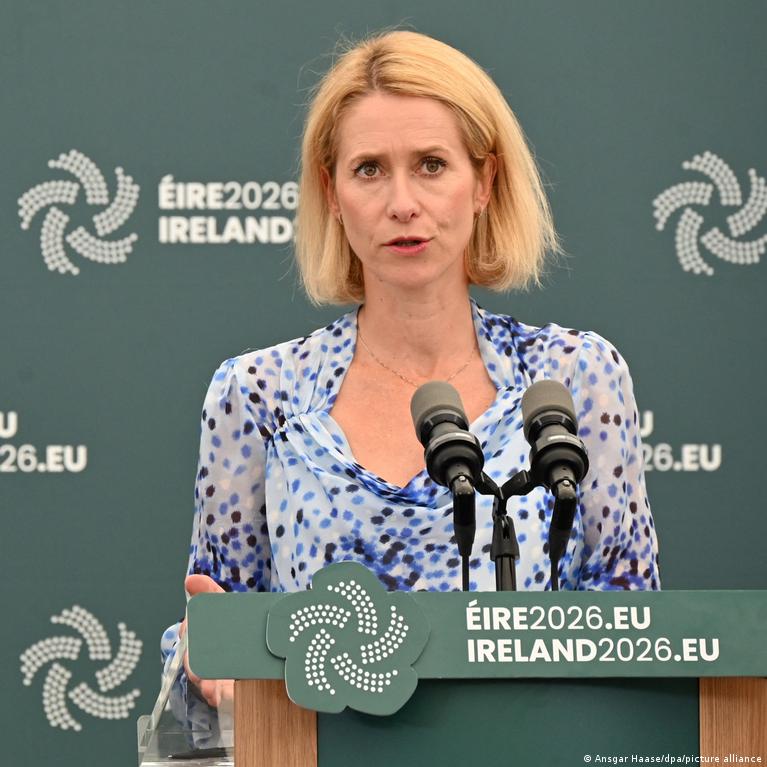
- EU Commission President Ursula von der Leyen called the attack a "new escalation on European Union soil directly attributed to Russia" and vowed to "step up" and "be ready to respond to Russia's recklessness faster and better."
- Nato Secretary General Mark Rutte expressed the alliance's "full solidarity with Germany" and highlighted increased risks from drones, missiles, and "malign activities targeting our territory directly."
- Vladimir Putin condemned Germany's measures as a serious mistake, while Russian Deputy Foreign Minister Alexander Grushko said Moscow might sever relations with Berlin, but for now was giving diplomacy a chance.
- EU foreign ministers discussed further actions, including extended EU sanctions, entry restrictions on Russian visitors, and measures against Russia's "shadow fleet," while several countries pushed for using frozen Russian assets to help Ukraine.
- The Leipzig attack was part of a broader pattern of increasingly dangerous incidents, including drones, interference with critical infrastructure, and sabotage across Europe, such as attacks on power lines in Germany and a factory fire in Poland.
- Von der Leyen promised that Europe and NATO would "increase" pressure on Moscow and "not stop" until Russia stops bombing and killing innocent people in Ukraine, while the EU had already agreed to loan Ukraine €9bn and was working on a joint Freyja anti-ballistic missile project.
EU Commission President Ursula von der Leyen labeled the recent drone attack in Leipzig as a significant escalation attributed to Russia, stating, "We have to step up and that means being ready to respond to Russia's recklessness faster and better."
NATO Secretary General Mark Rutte affirmed the alliance's solidarity with Germany, highlighting the increased risks from Russian drones and missiles threatening European nations.
Following investigations, Germany confirmed Russia's involvement in the Leipzig incident, with the interior minister noting that the drone's components were consistent with previous Russian operations.
In response, Germany plans to close the Russian consulate in Bonn and the Russian House cultural institution, which is suspected of being a propaganda outlet.
The Russian foreign ministry dismissed Germany's accusations as unfounded, with Vladimir Putin condemning the measures as a serious mistake.
Critics in Germany argue that the government's response is insufficient, but Berlin aims for a coordinated approach with allies, including potential EU sanctions and restrictions on Russian visitors.
Meanwhile, EU foreign ministers are considering actions against Russia's "shadow fleet" of ships evading sanctions, while several EU nations advocate for using frozen Russian assets to support Ukraine.
Von der Leyen emphasized that Europe and NATO will maintain and increase pressure on Moscow until it ceases its aggression in Ukraine, with the EU already committing €90 billion in loans to Ukraine and exploring further military support.
“Nato Secretary General Mark Rutte said the alliance stands 'in full solidarity with Germany' amid increased risks from drones and 'malign activities.' EU foreign ministers are considering extended sanctions, entry restrictions, and measures against Russia's 'shadow fleet,' with several countries pushing to use over €3bn in frozen Russian assets for Ukraine.”
 BBC
BBC