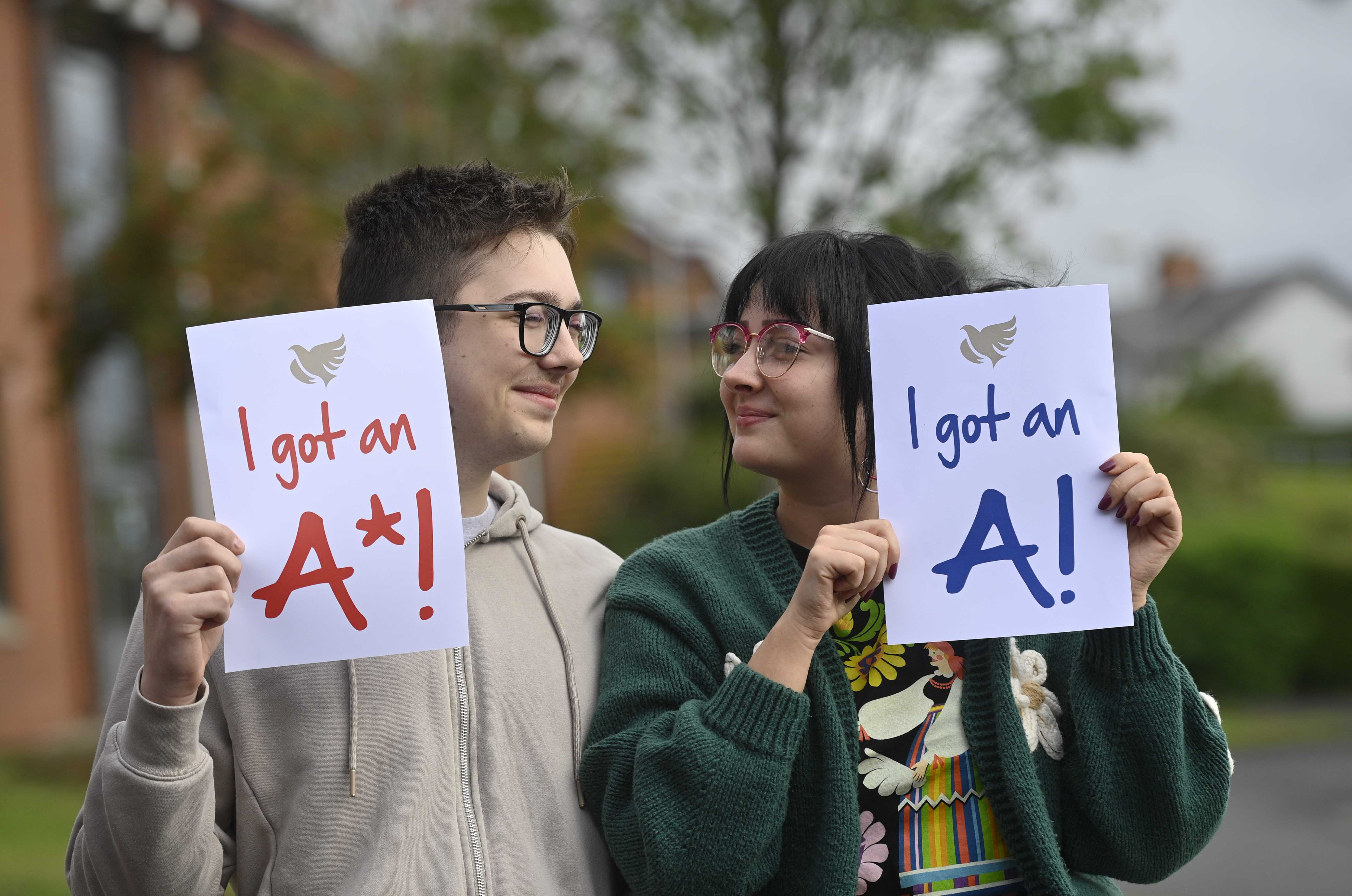
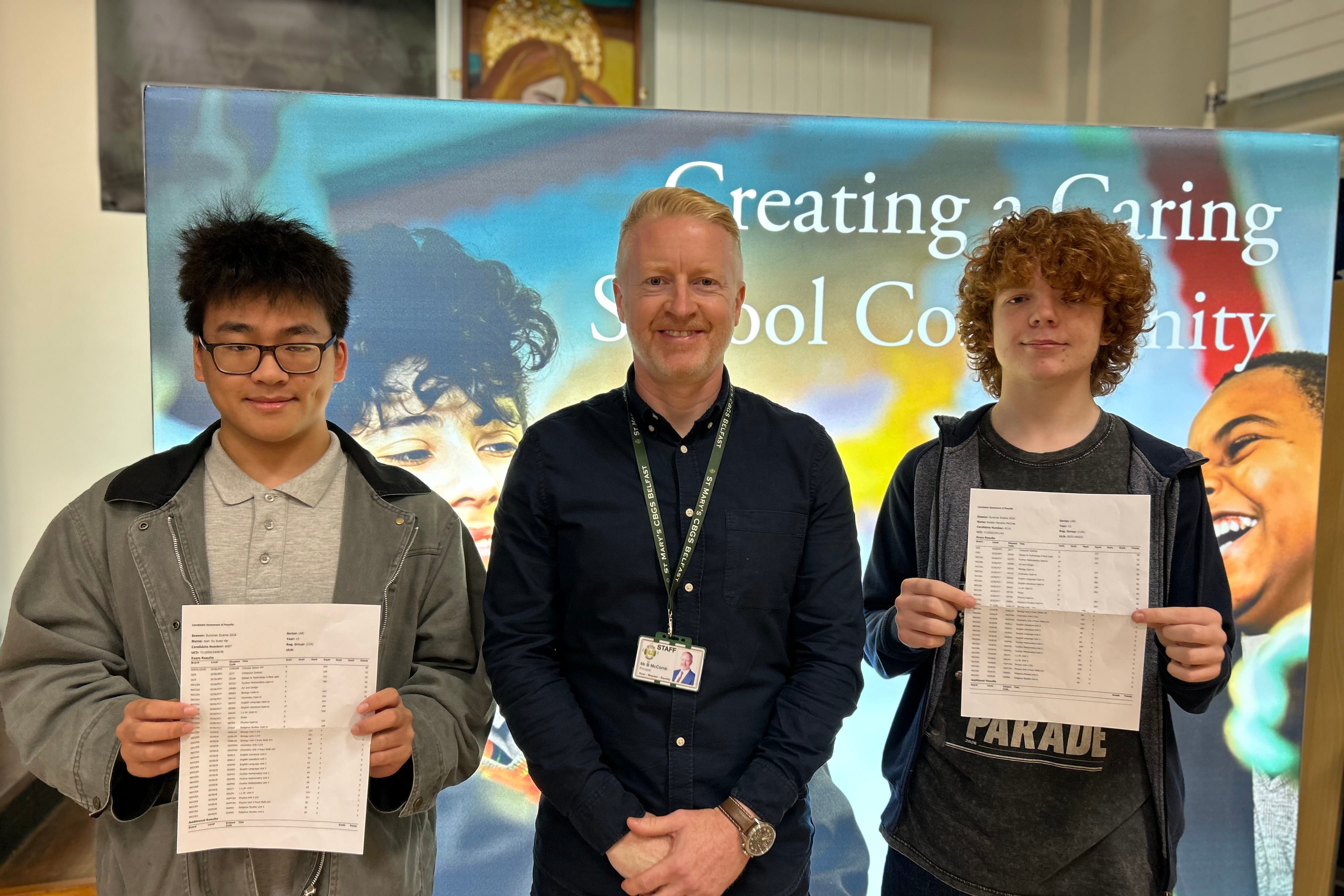
- Students received their GCSE results across England, Wales, and Northern Ireland this week.
- A significant proportion of teenagers failed to achieve a grade 4 pass in English and maths, with the policy of compulsory resits blighting lives rather than raising standards.
- Only 18.8% of those aged 17 and over achieved the requisite pass grade in English, down from last year, with an even smaller proportion achieving a grade 4 in maths.
- The government plans to introduce a new qualification to build confidence ahead of resits, but a more radical overhaul is needed.
- The ongoing decline in language learning is alarming, with GCSE take-up in French and other modern languages falling sharply again.
- Inequalities of outcome persist, with London schools pulling away from those in the north and the Midlands in top grades.
- Recent research shows that good GCSE grades have a disproportionately beneficial impact on the life chances of pupils from less privileged backgrounds.
GCSE results this year reflect a complex educational landscape in England, Wales, and Northern Ireland. Most students receiving results were in primary school during the pandemic, showcasing their resilience amid disrupted learning.1
The proportion of top grades increased slightly to 67.3%, matching pre-pandemic levels, yet the decline in language learning is alarming, with GCSE take-up in French and other modern languages falling sharply.
“A culturally enriching part of the curriculum is in danger of becoming the preserve of affluent state schools and the independent sector,” experts warn.
Despite impressive results in English and maths, many students failed to achieve a grade 4 pass, with only 18.8% of those aged 17 and over meeting the requisite standard in English, down from last year.
This has led to a demoralising cycle of failure for many young people, blocking their progress into the workforce.
The government plans to introduce a new qualification to build confidence ahead of resits, but “a more radical overhaul is needed,” according to education leaders.5
With an estimated 1 million 16- to 24-year-olds not in education, employment, or training, a nuanced approach, including alternative pathways, is essential for future success.
Promises of reform from leaders like Andy Burnham and Lucy Powell suggest significant changes may be on the horizon for the educational landscape in England by 2028.
“Only 18.8% of 17-and-over students passed English, down from last year, and London schools again outpaced the north and Midlands in top grades. The government plans a new qualification to build confidence ahead of resits, with 1 million 16- to 24-year-olds not in education, employment or training.”

 The Guardian