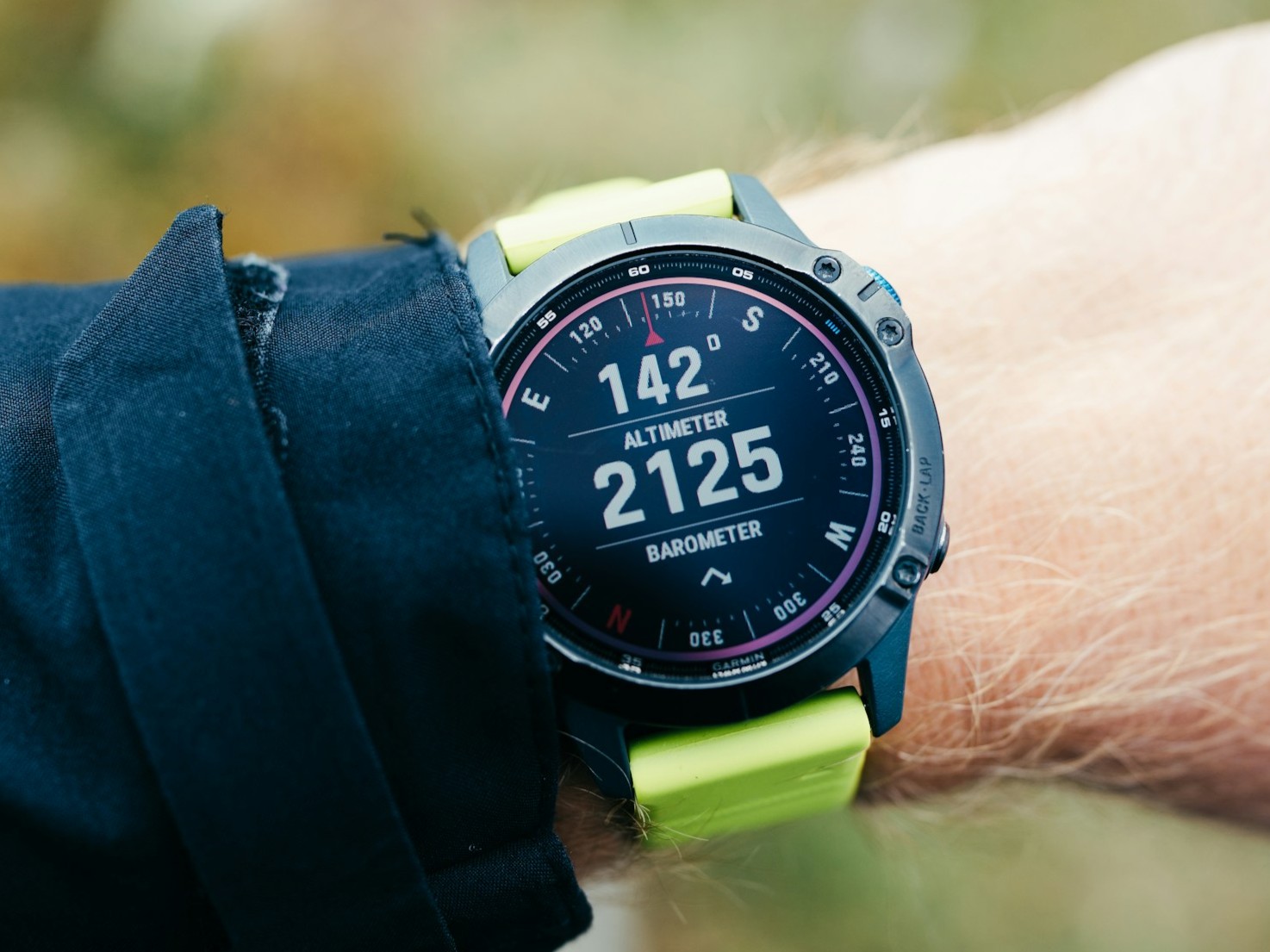
- Garmin's next flagship watch surfaces with LTE and satellite connectivity, featuring a titanium band and potential inReach subscription.
- The connectivity stack includes LTE-M cellular, 3GPP satellite, Wi-Fi, Bluetooth, ANT/ANT+, and NFC.
- Antenna testing has been conducted across silicone, nylon, and titanium band materials.
- The titanium band and satellite data paired with cellular voice are significant, as budget trackers don't use titanium.
- This device is likely to be the Fenix 9 or Fenix 9 Pro, but Garmin has not confirmed the name, pricing, display technology, or release window.
- Battery life with multiple radios active remains a concern, as LTE and satellite antennas are power-hungry.
- Garmin's existing fēnix 8 Pro already pairs LTE and satellite features with a mandatory inReach service subscription, and a similar arrangement seems likely with this new device.
- The subscription structure, tier pricing, and whether satellite access gets limited to emergency-only functions or broader messaging all remain unknown.
Garmin's new smartwatch model A05170 has emerged in an FCC filing, indicating it will feature LTE-M cellular support for voice transmission and 3GPP-standard satellite connectivity for data. The device is classified as a wrist-worn smartwatch, not a handheld communicator, highlighting its advanced capabilities.12
The inclusion of a titanium band sets it apart from budget trackers, emphasizing its premium design. This combination of satellite data and cellular voice functionality represents a significant leap, allowing users to call for help rather than relying on others to check their phones.34
While the watch is expected to be named the Fenix 9 or Fenix 9 Pro, Garmin has yet to confirm details regarding pricing, display technology, or release dates. The existing fēnix 8 Pro already offers similar features, but with a mandatory inReach service subscription, raising questions about the new model's subscription structure and pricing tiers.578
Battery life remains a critical concern, as both LTE and satellite antennas are known to consume significant power. The specifics of whether satellite access will be limited to emergency functions or allow broader messaging capabilities are still unknown, leaving potential users eager for more information.6
“The connectivity stack includes LTE-M cellular with voice, 3GPP satellite data, and NFC, with antenna testing across titanium bands. Battery life remains a concern, and a mandatory inReach subscription, as seen on the fēnix 8 Pro, seems likely.”
 Gadget Review



