- Garment workers' protests over higher wages have entered their fifth day, prompting authorities to deploy additional paramilitary forces.
- Protesters set ablaze a police van in suburban Savar and blocked the major Dhaka-Aricha highway during clashes.
- Fresh clashes erupted in Gazipur, Narayanganj, and Savar, forcing over 100 factories to suspend operations.
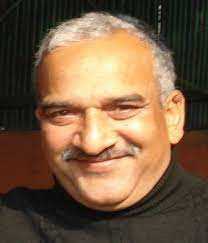
- Home Minister Salahuddin Ahmed alleged that conspiracies are being hatched in a neighbouring country to destabilise Bangladesh, with local mafia groups implementing these plots through ongoing labour unrest.
- Labour and Employment Minister Ariful Haque Choudhury promised that those responsible for the death of garment worker Toufiq Hossain would be brought to justice.
- BNP activists carrying bamboo sticks took to the streets to “maintain order and resist infiltrators,” alleging that activists of deposed prime minister Sheikh Hasina’s disbanded Awami League had infiltrated among the workers.
- Salahuddin claimed preliminary findings show some garment manufacturing business owners, former lawmakers, and cabinet members from the Awami League regime were working to implement their political agendas by infiltrating workers’ protests.
- The government has pledged a pay hike starting January, yet protests continue, indicating ulterior motives and infiltration by outsiders.

Bangladesh's garment worker protests have entered their fifth day, prompting the government to deploy additional paramilitary forces amid escalating violence.1
Home Minister Salahuddin Ahmed claims foreign conspiracies are behind the unrest, alleging that local mafia groups are infiltrating the protests.5

"Conspiracies are being hatched in a neighbouring country to destabilise Bangladesh," Ahmed stated, emphasizing that the workers' demands for higher wages are legitimate. The government has pledged to implement a pay hike starting in January 2024, with the minimum wage board confirming that workers will receive increased wages in December.910
Despite the government's assurances, protests have turned violent, with reports of clashes in Gazipur, Narayanganj, and Savar. Protesters have blocked major roads and set fire to police vehicles, leading to the shutdown of over 100 factories.34
Ahmed urged workers to return to their jobs, stating, "If workers return to factory floors, production would resume, business would generate income, thereby benefitting the workers themselves."
The unrest has also led to injuries among police, with Ahmed asserting that law enforcement has been instructed to avoid excessive force.
The protests were sparked by demands for a wage increase from the current minimum of Tk 12,500 to Tk 30,000, as inflation continues to erode purchasing power.

The government is facing pressure to address the situation, with the home minister claiming that ordinary workers are being manipulated for political ends.
As the situation unfolds, the government remains committed to resolving the unrest while maintaining order.
“Over 100 factories in Gazipur and Savar suspended operations after protesters torched a police vehicle and blocked the Dhaka-Aricha highway. Separately, three journalists were assaulted in Savar, and police filed cases under the Anti-Terrorism Act, naming 21 people including Awami League activists.”
MillenniumPost