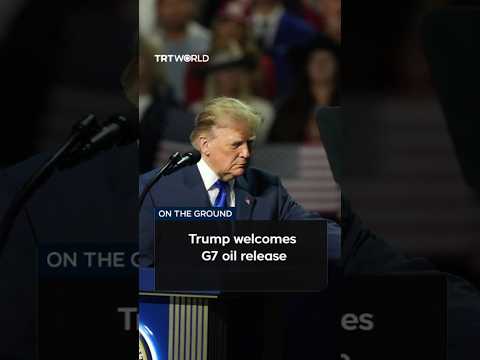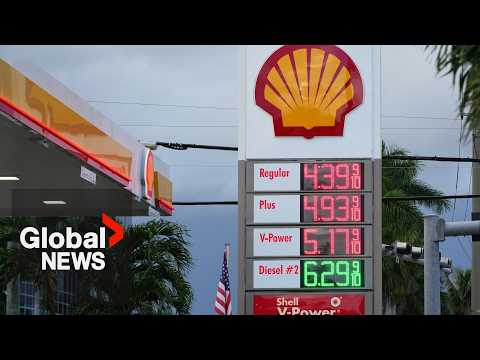
- G-7 has agreed to release 100 million barrels of diesel and crude oil as global oil prices surge following the US-Israel war against Iran.
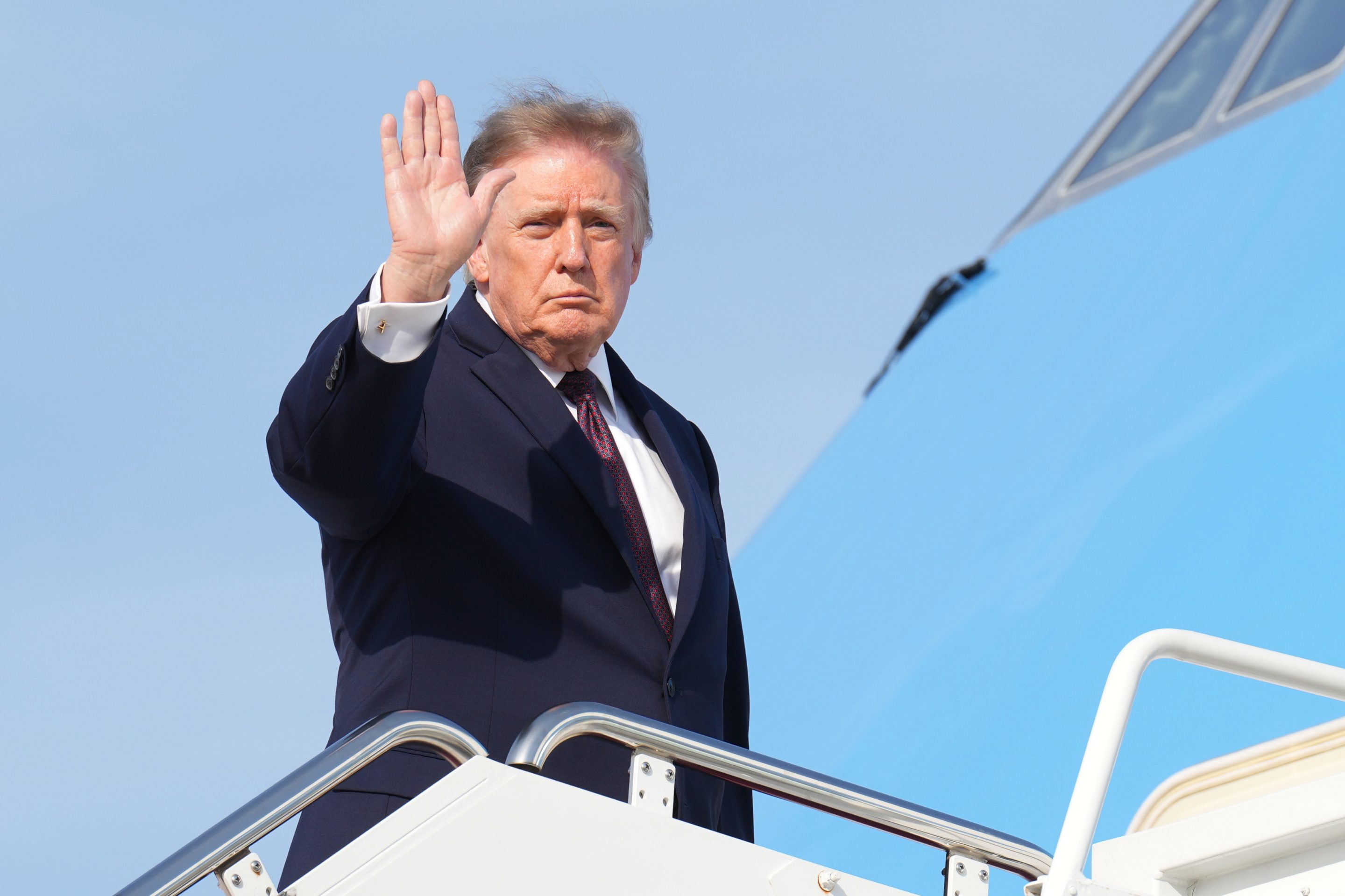
- US President Donald Trump and US ally Israel launched the war against Iran in late February, leading to significant geopolitical tensions.
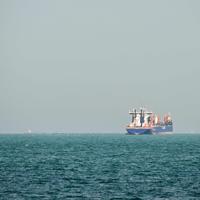
- Tehran's retaliatory action has targeted Washington's allies in the Gulf and has effectively shut a key energy trading route, contributing to the rise in oil prices.
The G-7 nations have agreed to release their oil reserves in response to soaring global oil prices, which have escalated due to military tensions in the Middle East.
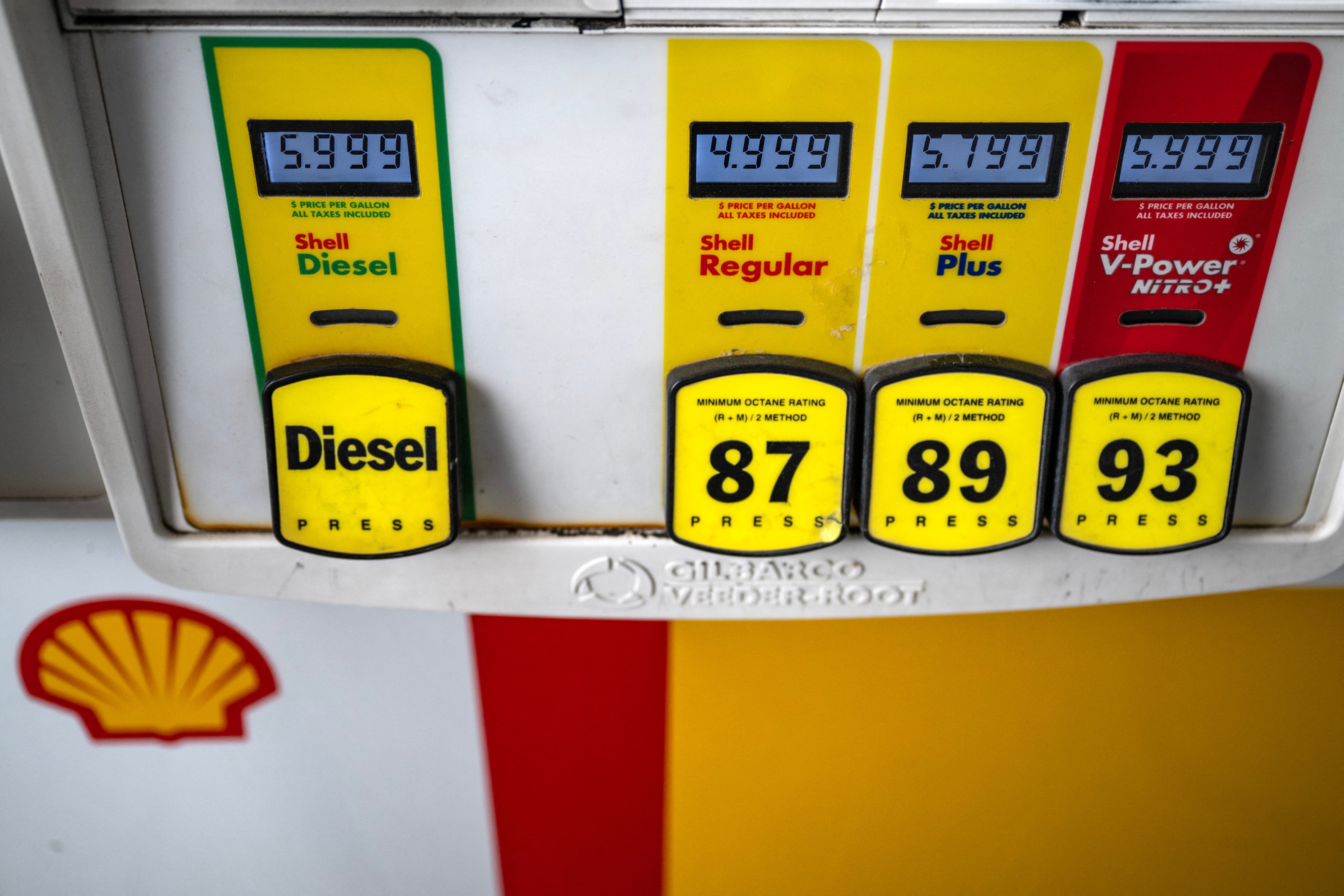
Global oil prices have risen sharply since the conflict began in late February, following military actions by the US and Israel against Iran.2
The situation has been exacerbated by Iran's retaliatory actions, which have targeted US allies in the Gulf and effectively shut down a crucial energy trading route.
In a related development, President Trump has diverted aid to Latin America, indicating a shift in focus as the US navigates complex international relations amidst ongoing conflicts.
This dual approach by the G-7 and the US government highlights the interconnectedness of energy security and geopolitical strategy in a volatile global landscape.
“Oil prices have spiked since the US-Israel war against Iran began in late February, with Tehran's retaliation targeting Gulf allies and shutting a key energy route. The G-7's release of 100 million barrels aims to counter supply disruptions.”