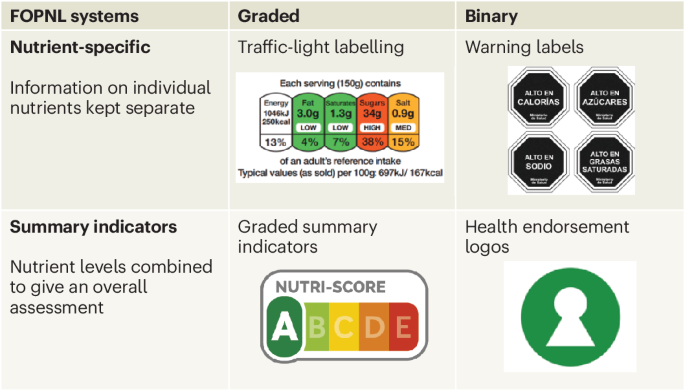
- The Supreme Court's intervention in 2026 pushed the issue forward; after hearings, FSSAI submitted a compliance affidavit on August 28, 2026, proposing the red hexagonal warning label, with the next hearing on September 10, 2026.
- Nutrition advocate Arun Gupta criticized the proposal for gaps that could let unhealthy foods escape scrutiny, stating that a major loophole is the “two or more” nutrients threshold.
- Dr. Gupta argued that a product high in sugar but low in fat and salt would carry no warning, defeating the purpose; he proposed a simple rule: “High in sugar — warning; high in salt — warning; high in saturated fat — warning.”
- He called for time-bound implementation and alignment with the Indian Council of Medical Research-National Institute of Nutrition (ICMR-NIN) Dietary Guidelines, 2024, which provide thresholds for total sugar and total fat per 100 gm.
- Dr. Gupta stressed that India already has an HFSS definition from the 2022 draft notification and parliamentary discussions, and should not reinvent it in a way that weakens regulation.
- He also criticized the warning label size, saying that making it one point larger than tiny nutrition text does not make it prominent; the size should be linked to the principal display area of the package.
- Dr. Gupta urged the court to examine whether the framework delivers a simple, visible, and scientifically sound warning, listing nutrient threshold, timeline, HFSS definition, use of “added” nutrients, label size, and exemptions as areas needing scrutiny.
Nutrition advocate Arun Gupta has raised concerns over the FSSAI's proposed red hexagonal warning labels, stating that the requirement for products to be high in two or more nutrients could allow unhealthy foods to escape scrutiny.
Gupta emphasized that a product could be high in sugar but still not carry a warning if it is low in fat and salt, which undermines the purpose of the label. He advocates for a straightforward rule: “High in sugar — warning; high in salt — warning; high in saturated fat — warning.”
He also called for the implementation of the framework to be time-bound and aligned with the Indian Council of Medical Research-National Institute of Nutrition (ICMR-NIN) Dietary Guidelines, 2024, which set thresholds for total sugar and fat per 100 grams.
Gupta criticized the current proposal for its complexity, stating, “If the nutrition table is printed in tiny type, making the warning one point larger does not make it prominent.” He urged the court to scrutinize the proposed framework to ensure it effectively communicates risk to consumers.
The Supreme Court's intervention in 2026 has propelled the issue forward, with the FSSAI submitting a compliance affidavit on August 28, 2026, proposing the new warning label. The next hearing is scheduled for September 10, 2026.
“The proposal triggers a warning only when a product is high in two or more of added saturated fat, sugar, or salt, so a product high in sugar alone would carry no label. Dr. Gupta urges alignment with ICMR-NIN Dietary Guidelines 2024 and time-bound implementation.”