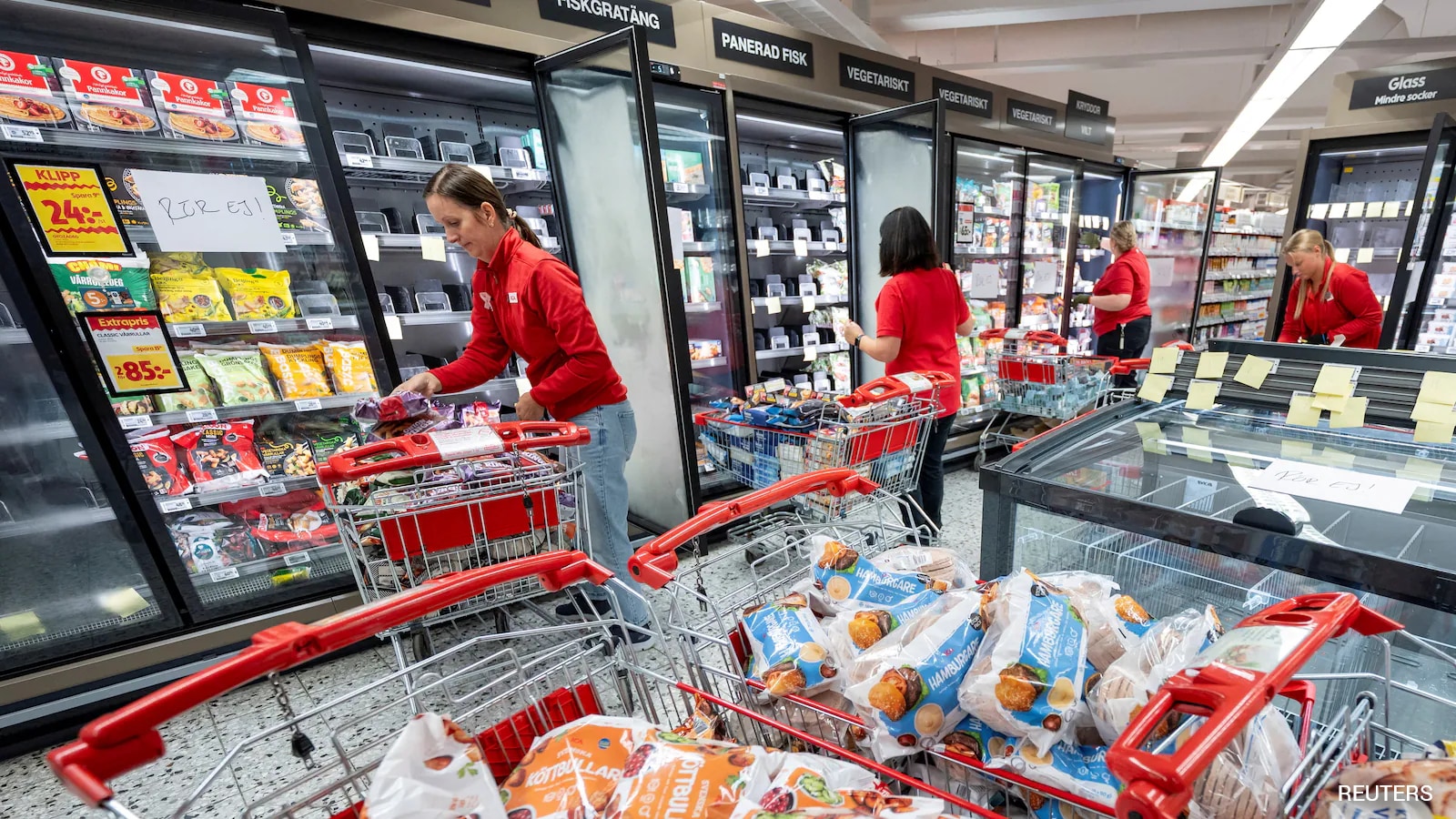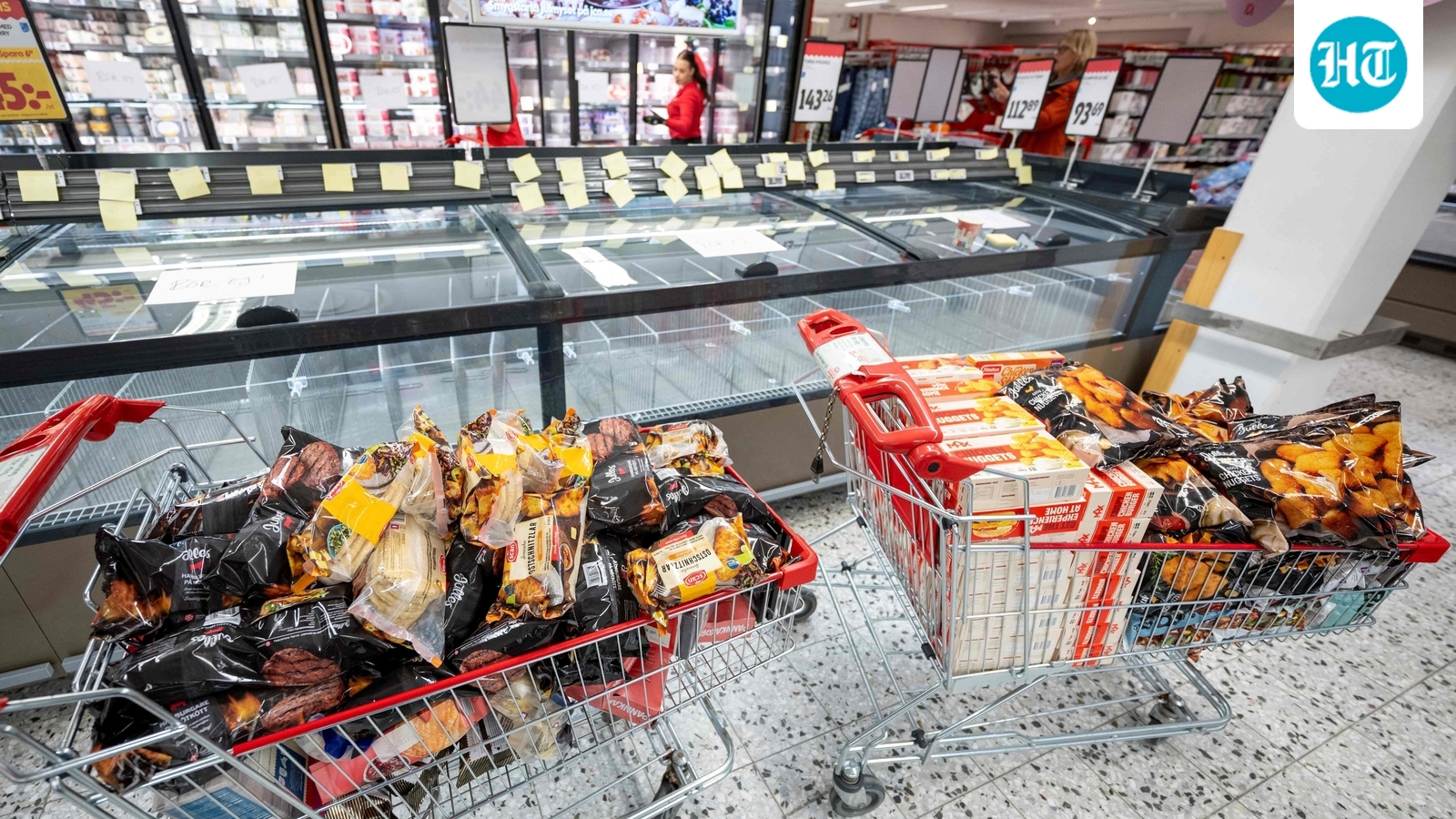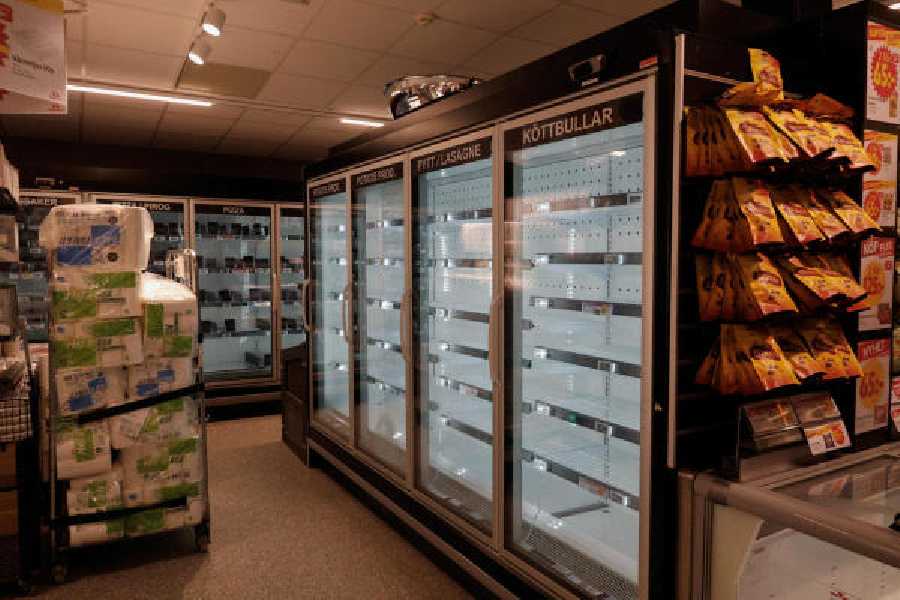
- Supermarket fridges and freezers are increasingly becoming hacking targets, resulting in food perishing and raising fears about food becoming a technology target.
- The latest series of cyber incidents affected supermarket chains in Belgium, Luxembourg, Estonia, the Netherlands, and Ireland. Sweden was also impacted, and one store blamed a cyberattack.
- Many controllers hit in France were older models that no longer receive security updates, despite flaws known since 2025.
- AI-driven vulnerability detection makes finding and exploiting weak points easier and faster than ever, while patching remains a bottleneck; "It will probably get worse before it gets better."
- The main reason fridges and freezers are hacked is that they are easy targets as instructions on how to attack them are easily available online, and shops did not consider themselves as possible targets.
- These systems run on old systems that are deprioritised or impossible to patch; they are hit because of the matrix of availability, desirability, and vulnerability: they are reachable and undefended.
Supermarket fridges and freezers across Europe are increasingly becoming targets for cyberattacks, leading to significant food spoilage and raising alarms about the security of essential technology.1
The recent wave of incidents has affected supermarket chains in Belgium, Luxembourg, Estonia, the Netherlands, and Ireland, with Sweden also reporting impacts. Notably, a major cyberattack in France compromised 500-700 supermarkets, causing temperatures in freezers to soar to 50 degrees Celsius.23
While no group has claimed responsibility, French authorities suspect international actors may be involved. An expert noted, “Investigators are silent about current results of the investigation in France, but by elimination it is likely that we have some state-supported group behind this.”
The primary reason for these attacks is the vulnerability of outdated systems. Many supermarket fridges operate on old models that no longer receive security updates, making them easy targets. An expert stated, “They are hit because of the matrix of availability, desirability and vulnerability: they are reachable and undefended.”567
Furthermore, AI-driven vulnerability detection is making it easier for hackers to exploit these weaknesses. As one expert warned, “AI-driven vulnerability detection makes finding and exploiting weak points easier and faster than ever, including in vital functions on which people depend.” The situation is expected to worsen before it improves, highlighting the urgent need for enhanced cybersecurity measures in the retail sector.4
“The latest incidents hit chains in Belgium, Luxembourg, Estonia, the Netherlands, and Ireland, with Sweden also impacted. Many controllers in France are older models with flaws known since 2025, and shops didn't consider themselves targets, creating an urgent need to protect these services.”
 Euronews.com