- Fresno County supervisors voted 3-2 on a proposal from building materials company CEMEX to expand its existing quarry near Friant on Thursday.
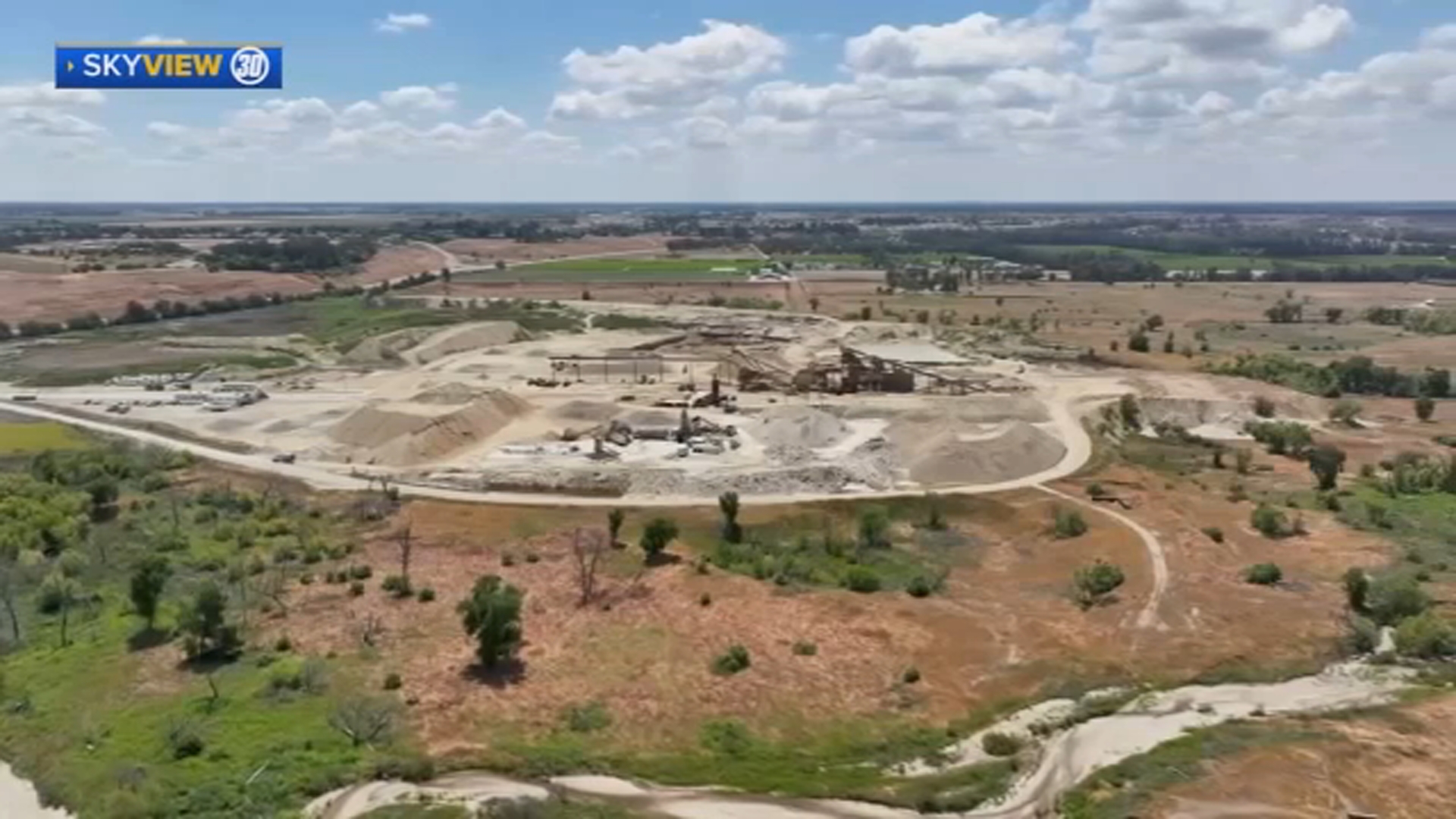
- CEMEX's Rockfield mining operation along the San Joaquin River north of Fresno dates back to 1913.
- CEMEX initially proposed drilling 600 feet into hard rock near the San Joaquin River over the next 100 years.
- County staff recommended a smaller project: a 300-foot-deep pit with a 63-year permit.
- The Planning Commission deadlocked 3-3 in October, resulting in a technical denial.
- CEMEX appealed the same day after the Planning Commission's decision.
- The vote passed at Thursday’s special Board of Supervisors meeting, overturning the Planning Commission's decision.
- The approved project caps the pit at 300 feet and limits mining to 63 years.
- Opponents of the project argue it could harm the surrounding environment and the San Joaquin River.
- Supporters claim it would preserve local jobs and highlight over a century of coexistence between the river and the mining company.
- CEMEX's current permits expire in July 2027, and the new plan allows digging below the river gravel into hard rock.
- Blasting will occur once or twice a week, on weekdays between 10 a.m. and 2 p.m.
- Environmental advocates have raised concerns about the project's impact on wildlife and the surrounding area.


Fresno County supervisors voted 3-2 to approve CEMEX's Rockfield quarry expansion, limiting mining to 63 years and capping the pit at 300 feet. This decision follows a failed 3-3 Planning Commission vote and has ignited debates over environmental concerns versus job preservation.1
CEMEX's proposal initially sought to drill 600 feet into hard rock over 100 years, but the county staff recommended a smaller project. The quarry, operational since 1913, will now maintain a distance of 300 feet from the river and 150 feet from Friant Road.4
Supporters, including Board Chair Garry Bredefeld, emphasized the importance of local jobs, stating, “These are real jobs. These are real people. These are real families.” However, opponents raised alarms about potential environmental damage, particularly to the San Joaquin River and local wildlife. Brian McNally, a neighbor, argued, “There’s no compromise that includes blasting hard rock right next to the river that is acceptable.”
The California Department of Fish and Wildlife also opposed the project, citing concerns over salmon spawning nearby and a recent notice of violation issued to CEMEX. The approval includes conditions such as limiting blasting to weekdays between 10 a.m. and 2 p.m. and requiring CEMEX to cover legal costs if challenged.
As the community grapples with this decision, the balance between economic benefits and environmental stewardship remains a contentious issue.
“The approved plan caps the pit at 300 feet and limits mining to 63 years, a smaller version than CEMEX's original 600-foot, 100-year proposal. Opponents, including the California Department of Fish and Wildlife, cited risks to salmon spawning and a $44 million hatchery upstream.”
KMPH Fox 26ABC30 Fresno