- France publicly assigns responsibility for cyberattacks on refrigeration systems to Iran's Islamic Revolutionary Guard Corps (IRGC).
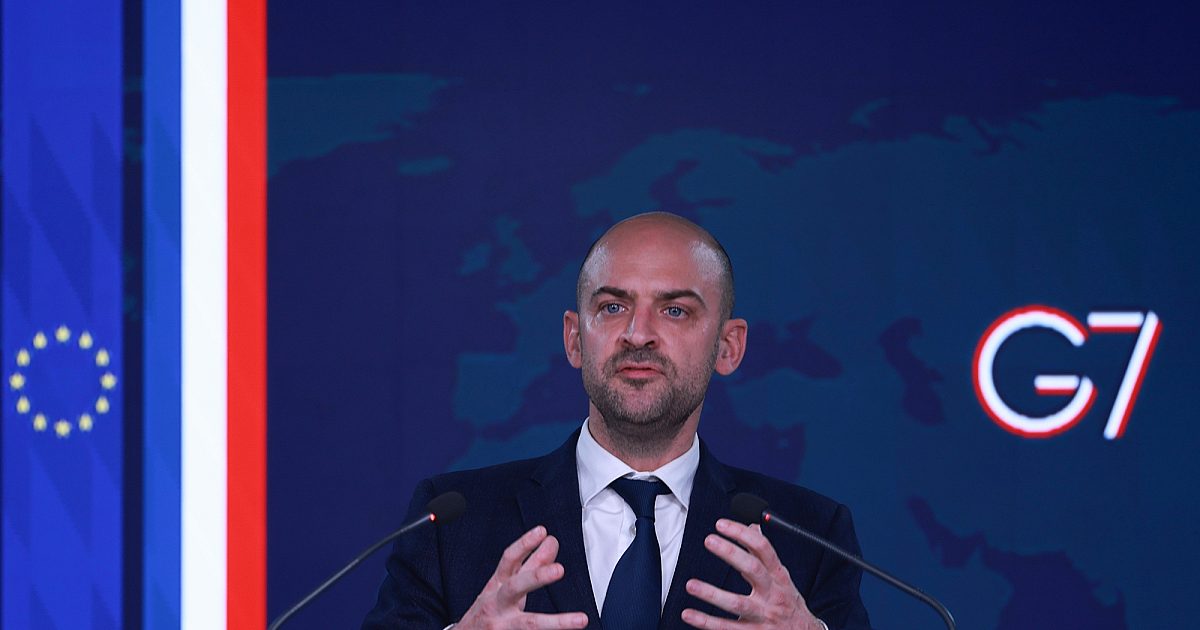
- On November 10, France summoned Iran’s ambassador after publicly assigning responsibility for the attacks to the Islamic Revolutionary Guard Corps (IRGC).
- French prosecutors have requested international arrest warrants against several individuals linked to the Shahid Kaveh cyber unit.
- Tehran denies the allegations regarding the cyberattacks.
- Iran's top security official, Mohsen Rezaei, warned that Tehran could strike US military bases in Europe if Washington attacks Iran again.
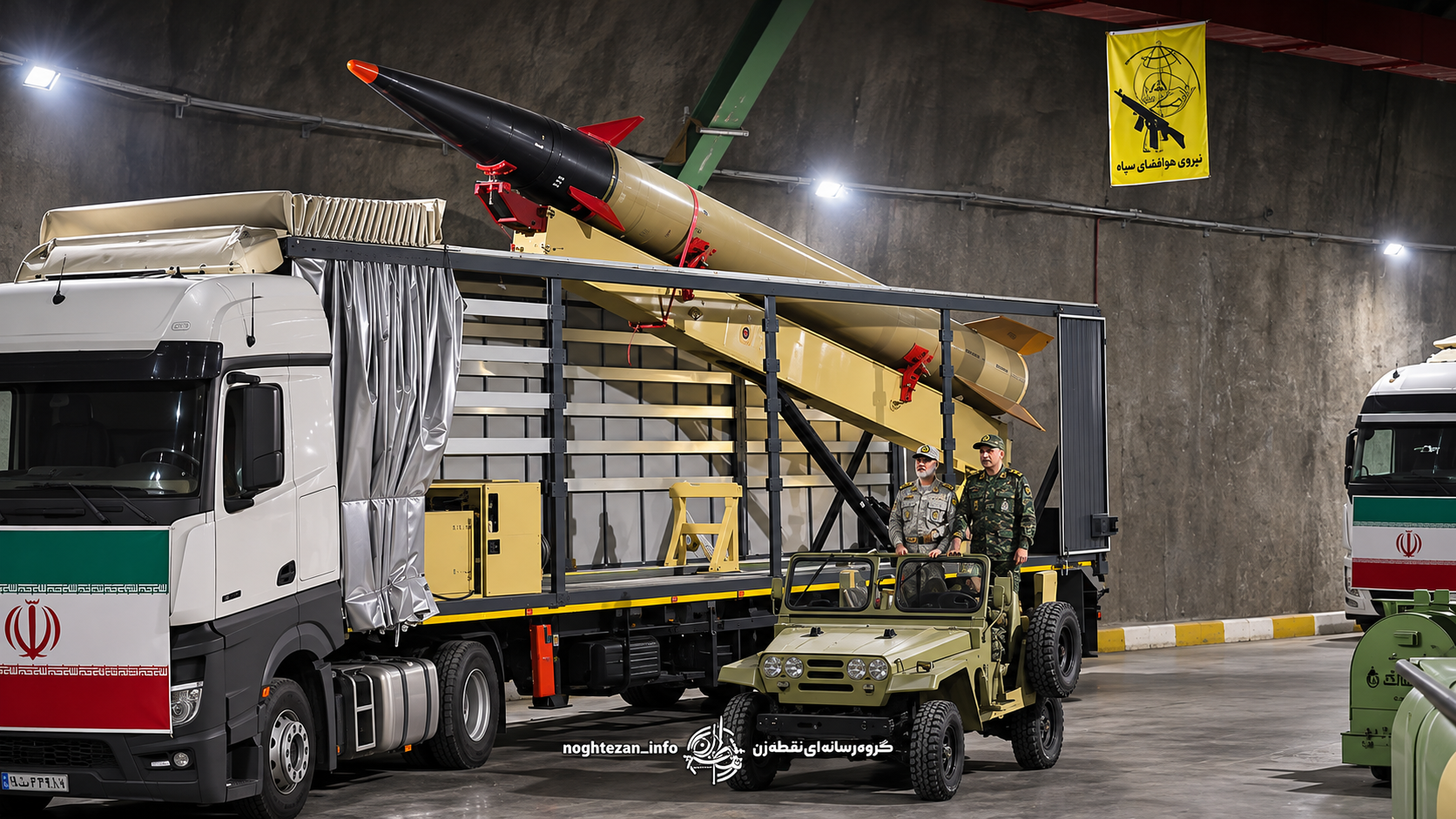
- Iran announced it has lifted its self-imposed 2,000-kilometer missile-range limit.

France's recent accusations against Iran's Revolutionary Guards (IRGC) for cyberattacks on supermarket refrigeration systems have heightened concerns about the security of European infrastructure. On November 10, France summoned Iran's ambassador, marking a significant political threshold in the ongoing tensions between the two nations.2
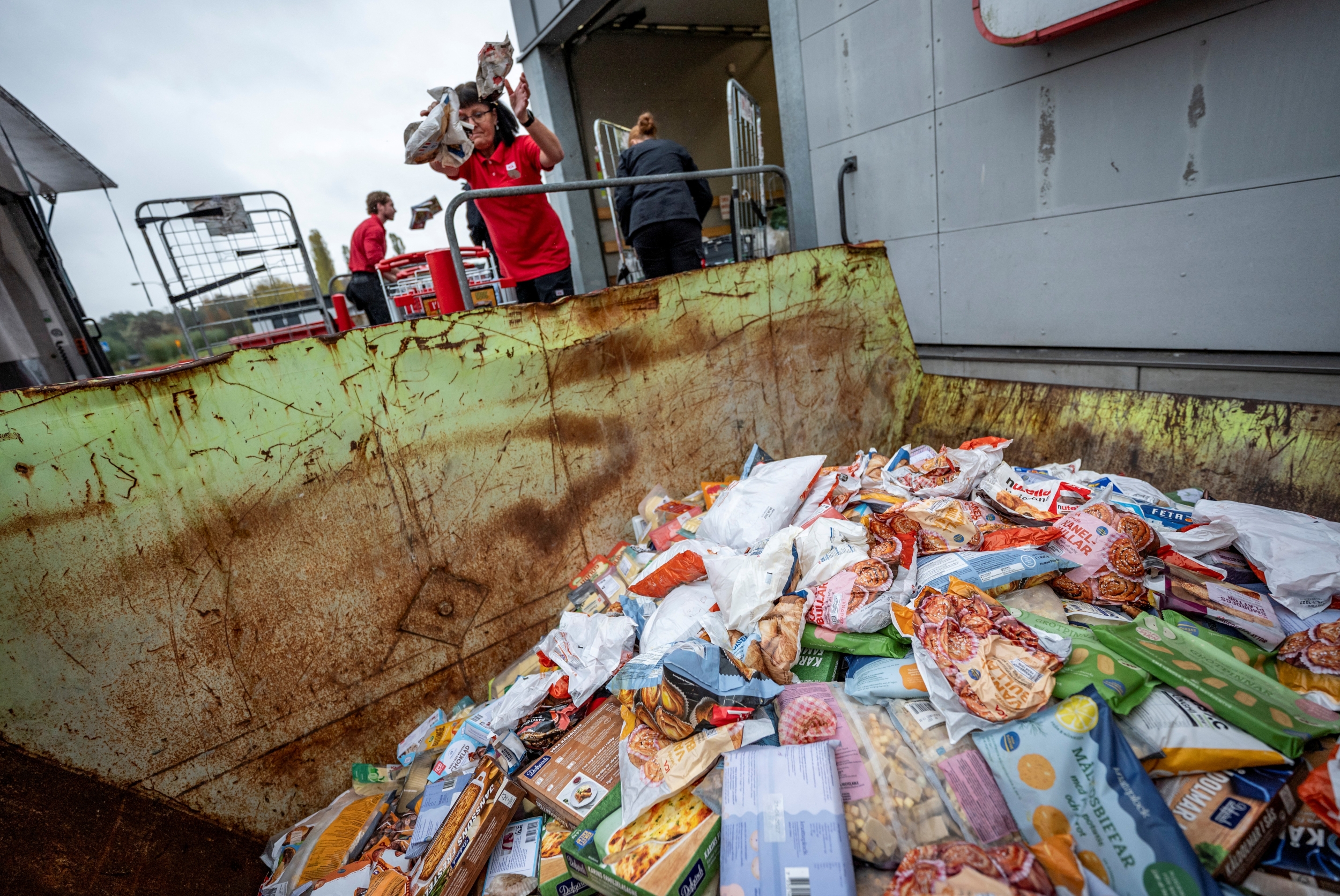
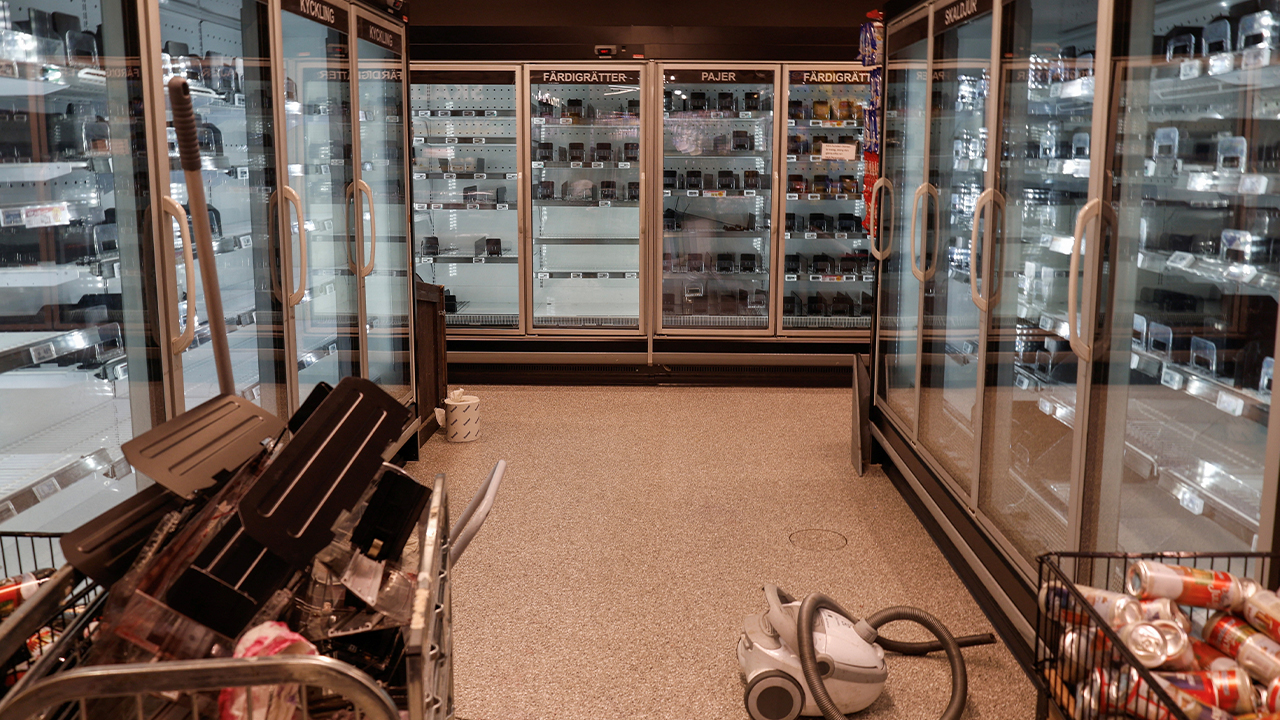
Tehran has denied the allegations, but the implications of such cyberattacks extend beyond immediate damage, threatening public confidence and disrupting essential services. Disrupting refrigeration can destroy stock, interrupt distribution, and impose costs on businesses, highlighting the vulnerability of civilian infrastructure to conflicts perceived as geographically distant.
French prosecutors have requested international arrest warrants against individuals linked to the Shahid Kaveh cyber unit, emphasizing the seriousness of the situation. The deterioration of diplomatic relations is evident, with the closure of the French Language Centre in Tehran and reported attacks against embassy personnel.3
Iran's top security official, Mohsen Rezaei, has warned that Tehran could target US military bases in Europe if provoked, illustrating the potential for horizontal escalation of conflicts. As Iran lifts its self-imposed missile-range limits, European nations are urged to reassess their security strategies. A credible response requires collective political action and enhanced cybersecurity measures to protect vulnerable commercial systems.5
“French prosecutors have requested international arrest warrants against individuals linked to the Shahid Kaveh cyber unit, and Iran's top security official warned of strikes on US bases in Europe. The attacks highlight how civilian infrastructure can become vulnerable to a conflict many Europeans consider remote.”
 The Guardian