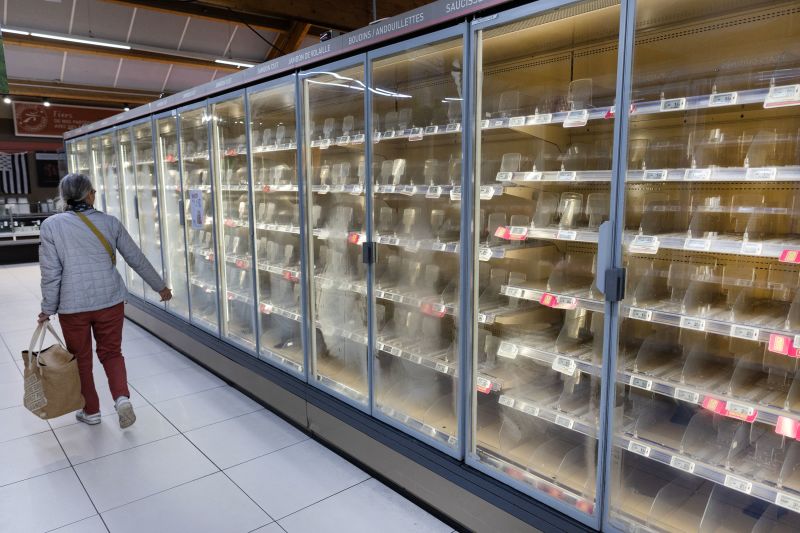
- France has made its first official accusation implicating Iran in cyberattacks on supermarket freezers, marking a significant escalation in geopolitical tensions.
- The UK's national cybersecurity centre has warned of a 'huge rise' in the volume of cyber threats, coinciding with the recent fridge hacks attributed to Iran.
- The May attacks on industrial freezers at an Israeli food production plant and the August wave of freezer malfunctions at US military bases are now suspected to be linked to cyberattacks, although they were not previously attributed to Iran.
- Rafe Pilling, a senior director at Sophos, noted that the relatively unsophisticated nature of the attacks, where hackers used default passwords to access fridge controls, aligns with Iranian capabilities.
- Pilling also suggested that there is a presumption linking the French attacks to a wave of rogue defrosting hacks, indicating a broader pattern of Iranian cyber operations.
- Pilling explained that Iran aims to project power through cyber-attacks, using them to signal political displeasure with regional and international adversaries.
- The underlying context of the fridge attacks is rooted in geopolitics, highlighting the alarming landscape created by a combination of groundbreaking technology and tense global relations.

France has accused Iranian hackers linked to the Islamic Revolutionary Guard Corps of launching cyberattacks that compromised supermarket freezers, leading to significant damage, including fires caused by temperature malfunctions.
The attacks, described by France’s foreign minister as an act of “unprecedented scale and unprecedented aggression,” follow previous incidents targeting Israeli and US military facilities.
Rafe Pilling, a senior director at Sophos, noted that the hackers used default passwords to access fridge controls, indicating a relatively unsophisticated approach consistent with Iranian capabilities.
Pilling stated, “In general Iran uses cyber-attacks to project power internationally and to signal their political displeasure with regional and international adversaries.”
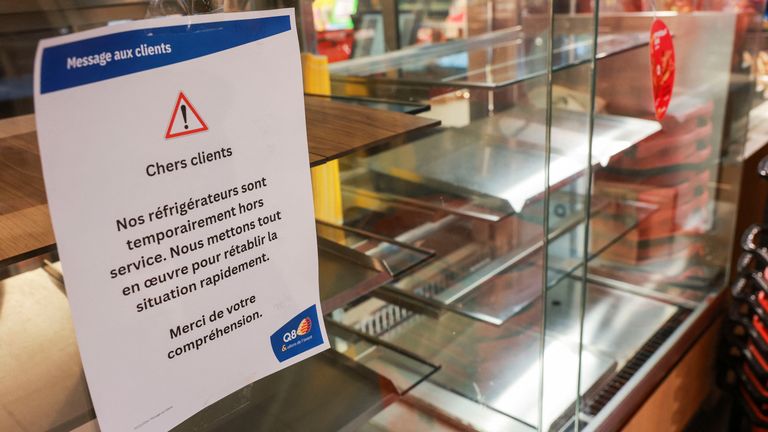
The UK’s national cybersecurity center has warned of a “huge rise” in cyber threats, reflecting the escalating geopolitical tensions.
The recent fridge hacks are seen as part of a broader pattern of Iranian cyber aggression, with experts presuming a connection to other recent attacks on industrial freezers.
France's announcement marks the first official attribution of such cyberattacks to Iran, raising concerns about the implications for European security and the potential for “Europe-wide sanctions.”
As geopolitical tensions continue to rise, the landscape of cyber threats is becoming increasingly alarming, with a combination of groundbreaking technology and hostile international relations.
“The attacks follow incidents on industrial freezers at an Israeli plant in May and US military bases in August, with Sophos' Rafe Pilling noting the use of default passwords aligns with Iranian capabilities. Iran likely aims to project power and signal displeasure with adversaries, per Pilling.”

 The Guardian