- On Tuesday, four leading human rights groups filed a new lawsuit against the Trump administration's sanctions on the International Criminal Court (ICC), arguing that the measures are unconstitutional and crippling their work.
- The lawsuit claims that the sanctions force the groups to curtail a wide range of human rights and legal work, including representing victims of war crimes and collaborating with Palestinian rights groups.
- The lawsuit further alleges that Trump has exceeded his presidential authority by issuing the executive order based on a pseudo 'national emergency' that lacks factual basis.
- Federal judges in Maine and New York previously ruled that Trump's ICC executive order violated constitutional rights of individual advocates.
- Last month, Secretary of State Marco Rubio promised to increase pressure to 'disable' the ICC, accusing it of waging a war against the US.
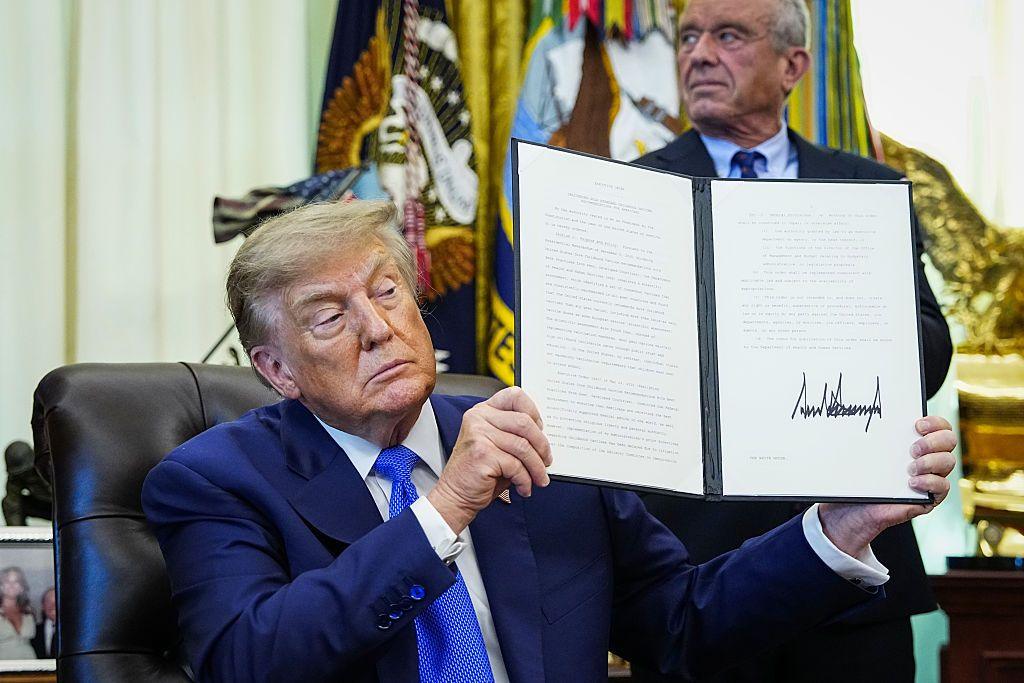
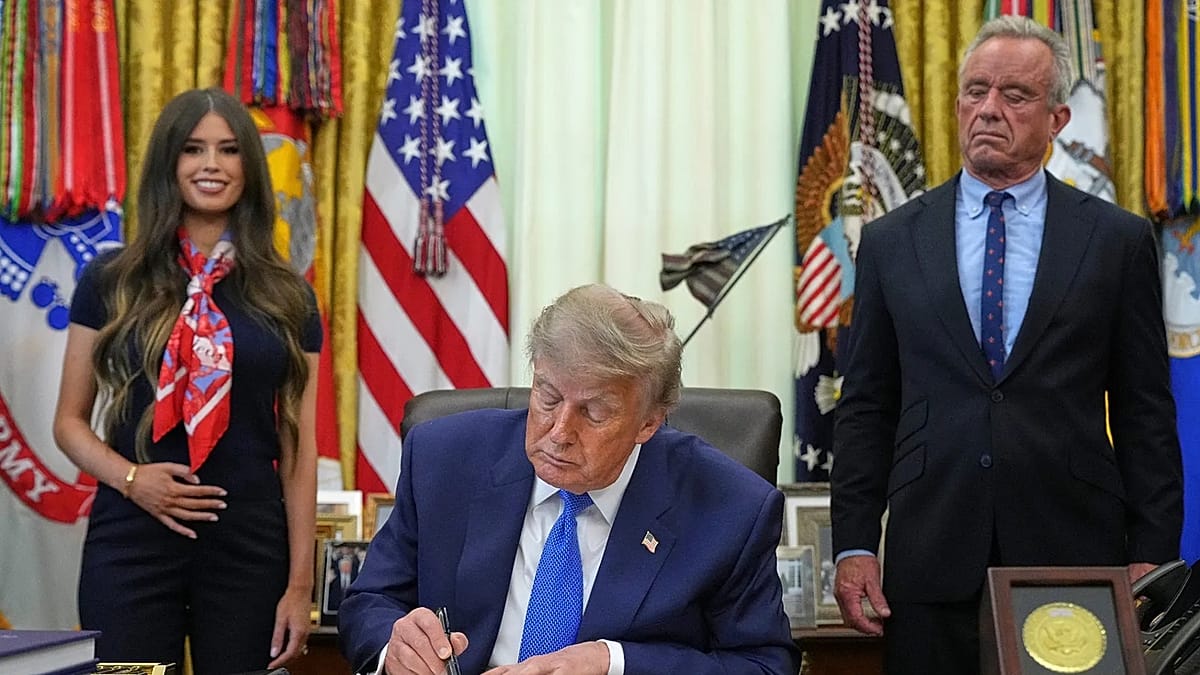
- Trump's executive order, issued in February 2025, authorized sanctions against ICC officials, judges, and supporters, escalating his approach towards the court.
- The sanctions have affected rights groups not directly targeted, hindering their ability to represent victims and collaborate on advocacy efforts.
- The lawsuit argues that the sanctions undermine access to justice for victims of major human rights violations and criminalize the work of those seeking to combat impunity.
Four prominent US human rights organizations have filed a lawsuit against the Trump administration, alleging that its sanctions against the International Criminal Court (ICC) violate constitutional rights and criminalize justice work. The groups, including the American Friends Service Committee and Human Rights Watch, argue that the sanctions force them to limit their advocacy efforts.
The lawsuit, filed in federal court, claims that the executive order issued in February 2025 exceeds presidential authority and is based on a pseudo 'national emergency' with no factual basis. The sanctions have targeted ICC officials and those supporting the court's investigations, particularly regarding Israeli war crimes in Gaza and potential abuses in Afghanistan.58
Joyce Ajlouny, general-secretary of the American Friends Service Committee, stated, “The US government’s efforts to dismantle the ICC and punish people seeking justice for grave human rights violations harm far more than the individuals and groups facing sanctions.” The lawsuit emphasizes that these actions undermine access to justice for victims and criminalize the work of those combating impunity.10
The sanctions have resulted in travel bans, frozen bank accounts, and denied access to digital services for individuals working with the ICC. The groups argue that the sanctions not only affect those directly targeted but also hinder their ability to represent victims and collaborate on advocacy efforts.
The lawsuit reflects a growing concern over the US government's stance against the ICC, which has escalated since the court issued arrest warrants for Israeli officials.
“The lawsuit, filed Tuesday, follows earlier challenges by DAWN and TAAG, and comes after Rubio vowed to 'disable' the ICC. Sanctions have frozen bank accounts and forced lawyers like Katherine Gallagher to stop practicing before the court, with Al Haq's director saying 45 staff went unpaid.”
 The Guardian