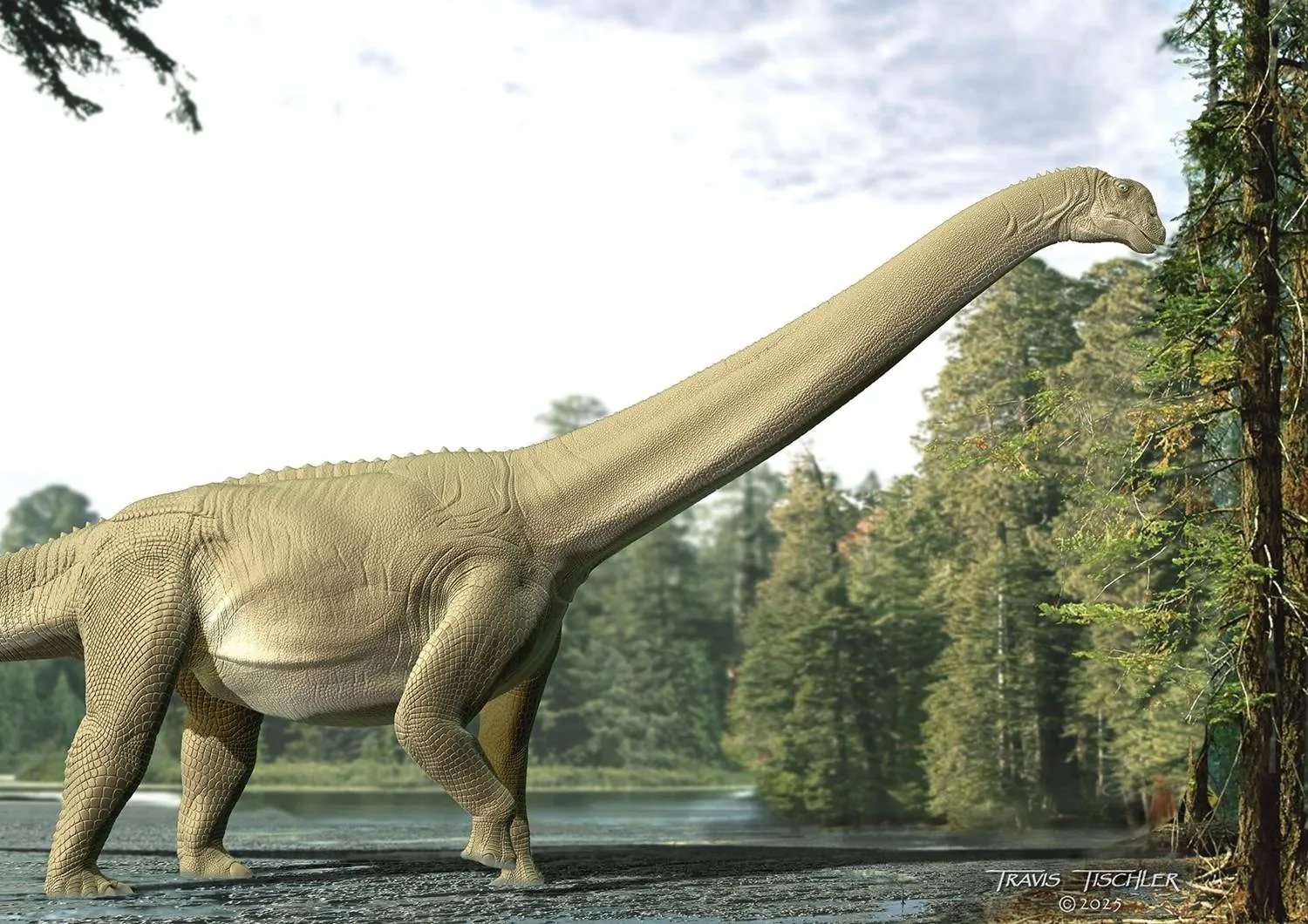
- Fossilised red blood cells have been discovered inside the bones of a dinosaur that lived approximately 115 million years ago, specifically in the theropod dinosaur known as Aratasaurus museunacionali.
- The findings were published in the journal *Proceedings of the National Academy of Sciences (PNAS)* on Monday.
- Electron microscopy revealed small round structures resembling red blood cells within the bones' vascular canals.
- Chemical tests confirmed the presence of heme B and collagen amino acids, providing chemical evidence of fossilized blood remnants.
- Rapid burial in a low-oxygen environment and mineralization by hausmannite were noted as key factors in the preservation of these biological components.
- This discovery challenges existing assumptions about the preservation of biological components over geological timescales.
- Researchers believe that the exceptional preservation resulted from the dinosaur's carcass being rapidly buried after death in a low-oxygen environment rich in microorganisms.
- Prof Kliti Grice, who led the research team, described the identification of heme-derived molecules as a remarkable discovery and a significant milestone in paleontology.


An international research team led by Curtin University has made a groundbreaking discovery of fossilized red blood cells and hemoglobin-derived molecules in a 115-million-year-old dinosaur bone from Brazil.
The dinosaur, identified as Aratasaurus museunacionali, was found in northwestern Brazil, with the findings published in the journal Proceedings of the National Academy of Sciences.1
Researchers detected preserved red blood cells within the bones' vascular canals, establishing the presence of heme, a crucial component of hemoglobin responsible for oxygen transport. “To detect intact heme derived molecules in 115-million-year-old red blood cells is astonishing: this really is a landmark discovery,” said lead author Kliti Grice.7
The study challenges long-held beliefs about the survival of biomolecules over geological timescales. “These findings challenge longstanding assumptions that certain biomolecules such as haemoglobin cannot survive deep time,” Grice noted.
The exceptional preservation is attributed to the rapid burial of the dinosaur's carcass in a low-oxygen environment rich in microorganisms, which acted as a natural time capsule. “We are seeing a mineral and molecular echo of the dinosaur’s original biology,” Grice added.5
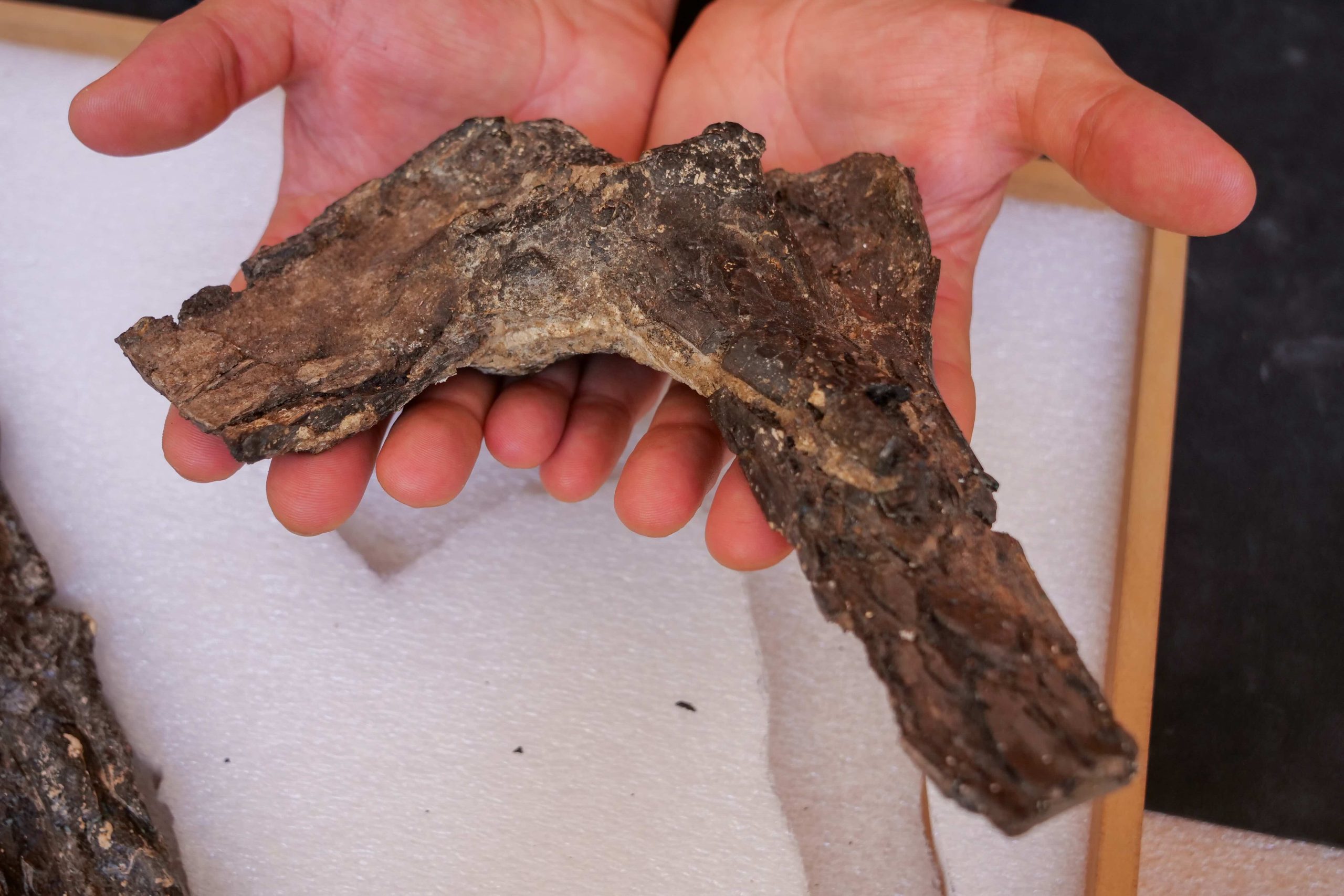
This discovery not only extends the known fossil record of blood but also opens new avenues for molecular-level paleontology, potentially aiding in the search for ancient life beyond Earth.6
Prof Mary Schweitzer expressed skepticism about the findings, citing the expected dome-like appearance of dinosaur red blood cells. However, Grice urged caution, emphasizing that her work does not imply that large biological molecules like proteins or DNA persist in ancient fossils.
“Analyses using high-performance liquid chromatography-mass spectrometry confirmed the presence of heme B inside the red blood cells, offering molecular evidence that these structures are true blood remnants. The preservation was aided by rapid burial in a low-oxygen environment and mineralization by hausmannite.”
The GuardianBBC Wildlife Magazine