Sources: 

Four decades have passed since the Chernobyl disaster, which occurred on April 26, 1986, when a reactor explosion scattered radioactive material over vast areas,
affecting millions and prompting the evacuation of countless towns and villages in Ukraine and Belarus.
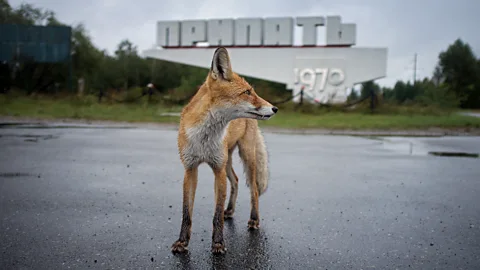
Wildlife in the region has shown remarkable resilience, with
wolf populations now estimated to be seven times higher in the exclusion zone compared to surrounding areas, highlighting how nature can adapt to adverse conditions.
Studies indicate that bank voles in contaminated areas have developed unique mitochondrial characteristics, while changes in forest composition have led to increased biodiversity, although the ecosystem has altered fundamentally from its pre-disaster state.
Meanwhile, in Slavutych—a city purpose-built for evacuees—relatives of Chernobyl victims commemorated the tragedy with a midnight vigil, placing candles in a radiation hazard symbol.
Despite ongoing conflicts and wartime curfews, locals gathered to remember both the lives lost and those who responded heroically, with one resident lamenting,
“Years pass, generations change, but the pain of Chernobyl does not fade.” The poignant event reflects the enduring impact of the disaster on the community, which continues to navigate the dual challenges of historical trauma and current conflict.
Those attending included family members of liquidators, illustrating the personal ties still felt today.
Approximately 600,000 individuals, known as liquidators, were involved in the disaster's immediate aftermath, with many suffering long-term health consequences. The vigil stands as a tribute to their sacrifices and a reminder of Chernobyl's legacy amid ongoing tensions in the region.
Sources: Forty years after the Chernobyl disaster, wildlife in the exclusion zone has adapted significantly, with species like wolves thriving. Meanwhile, residents of Slavutych gathered for a poignant midnight vigil, honoring those lost and the legacy of radiation exposure amidst the ongoing war in Ukraine.