- The co-pilot requested and received clearance to ascend from 35,000 to 37,000 feet to get above foul weather, after reporting sub-zero temperatures and ice forming on the hull. Crabbe said this ascent may have contributed to the stall.
- Even a successful ascent may not have helped because the plane was flying through an unusually tall convective storm system, nearly 50,000 feet high, according to NOAA data.
- Expert pilot Crabbe stated the pilots should have gone around [the storm] and that air-traffic control gave them flexibility to deviate.
- Crabbe attributed the decision to a theory called 'get-there-itis', a known risk factor in flight training, where a pilot's motivation to complete a trip may compromise safety.
- Aviation lawyer Zachary S. Gorwitz described the conditions as a 'perfect storm' with turbulence, icing, precipitation, and incredibly tall thunderstorms that formed quickly.
- Gorwitz suggested that the pilot likely attempted to pull back on the controls to raise the nose, but at that speed and angle, it was not possible.
- The fact that the 20-year-old co-pilot was on the radio suggests the pilot was at the controls, according to Gorwitz.
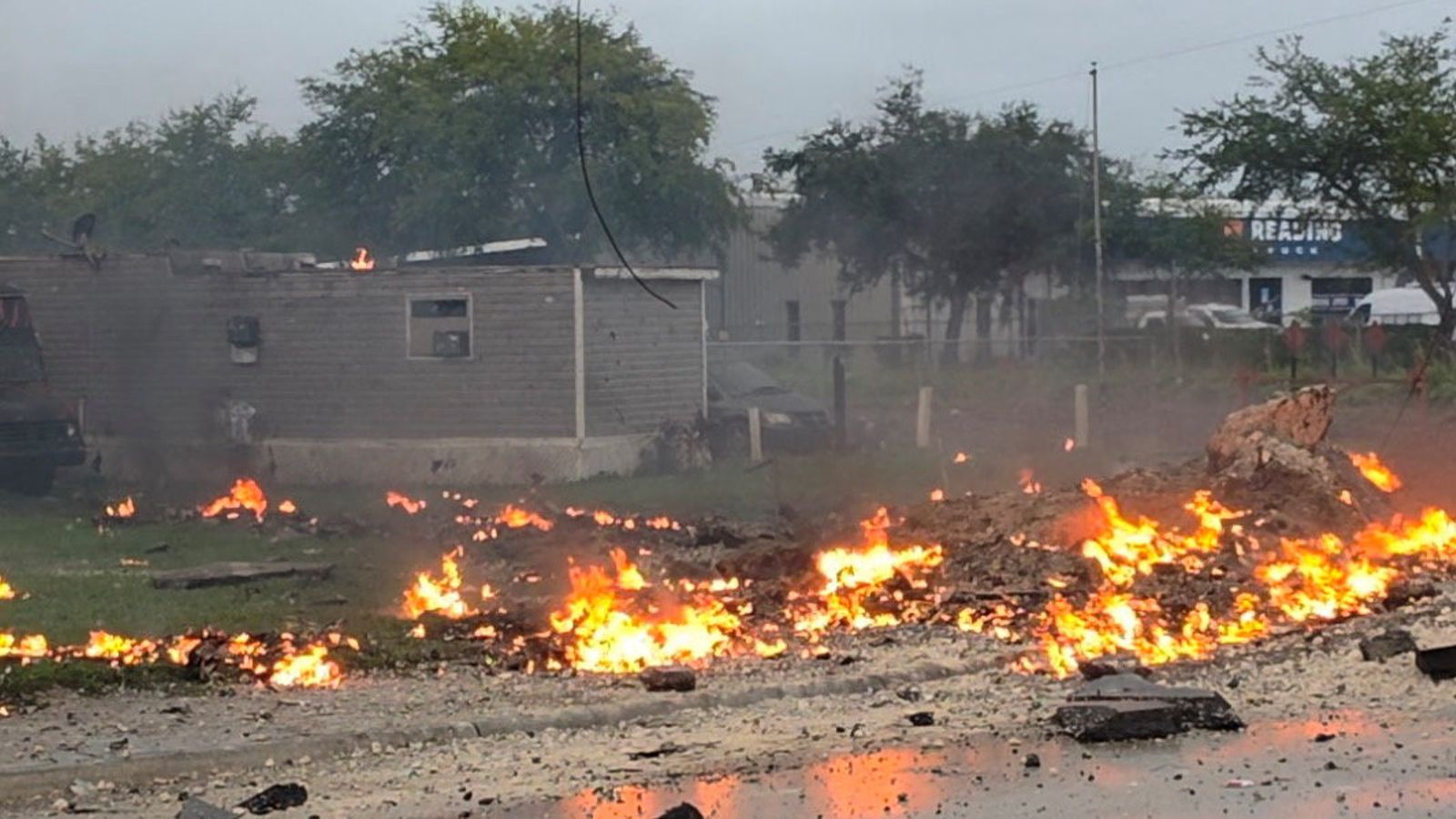
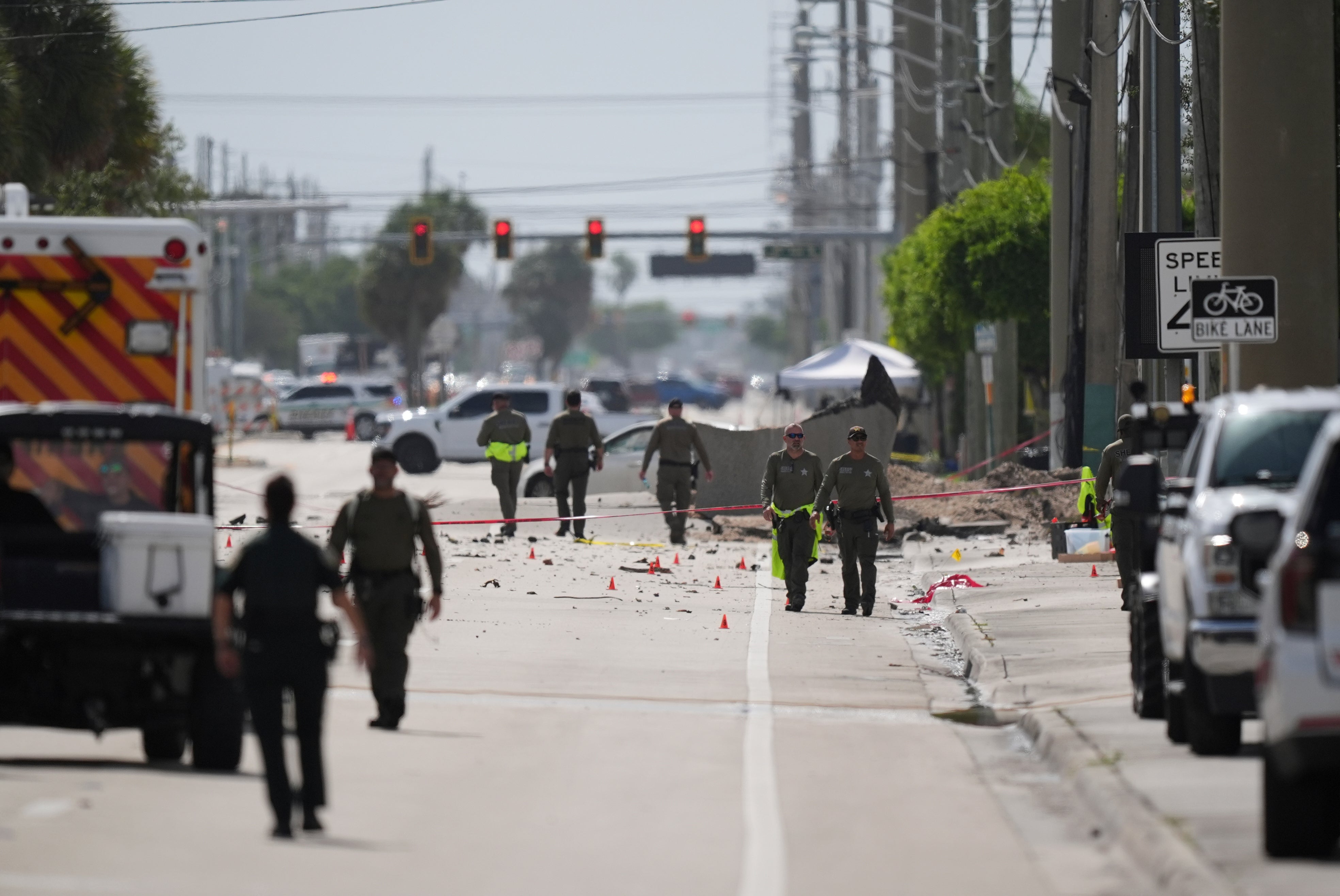
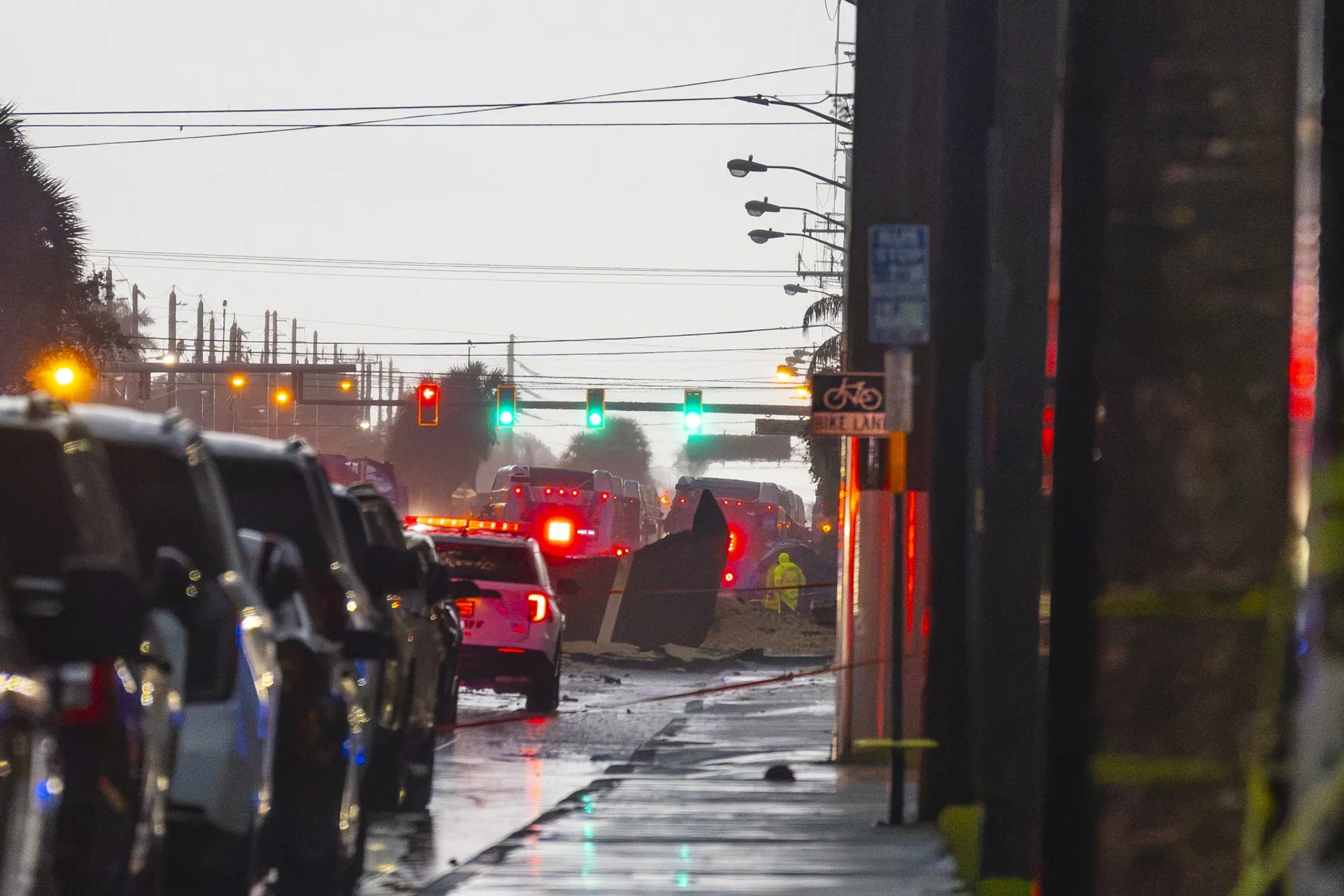
The tragic crash of a Learjet 60 in Florida, which resulted in the death of co-pilot Nathalia Filgueiras, has raised serious questions about pilot decision-making in adverse weather conditions.
Experts suggest that the pilots should have avoided the storm, with veteran pilot and CEO of Jettly, Crabbe, stating, “They certainly should have gone around [the storm].”45
Despite receiving clearance to ascend to 37,000 feet to avoid foul weather, the aircraft encountered severe conditions, including icing and turbulence, which likely contributed to its stall and subsequent crash.78
“It’s a theory called ‘get-there-itis,’ and flight schools teach you this very early on,” Crabbe explained, emphasizing the psychological pressures pilots face.
The plane was flying through an unusual convective storm system nearly 50,000 feet high, according to NOAA data, complicating the situation further.3
Aviation lawyer Zachary S. Gorwitz described the conditions as a “perfect storm of trouble,” noting the combination of turbulence, icing, and rapidly forming thunderstorms.
“At that point, I’m sure the pilot was trying to pull back on the controls and get the nose up, but I’m sure at that speed and that angle, it just wasn’t possible,” Gorwitz added, highlighting the challenges faced by the crew.
The incident underscores the critical importance of adhering to safety protocols in aviation, especially when navigating severe weather.
“The co-pilot had requested ascent to 37,000 feet after reporting ice forming, but NOAA data showed the storm reached nearly 50,000 feet. Aviation lawyer Zachary S. Gorwitz called it a 'perfect storm' with turbulence, icing, and tall thunderstorms that made recovery impossible.”