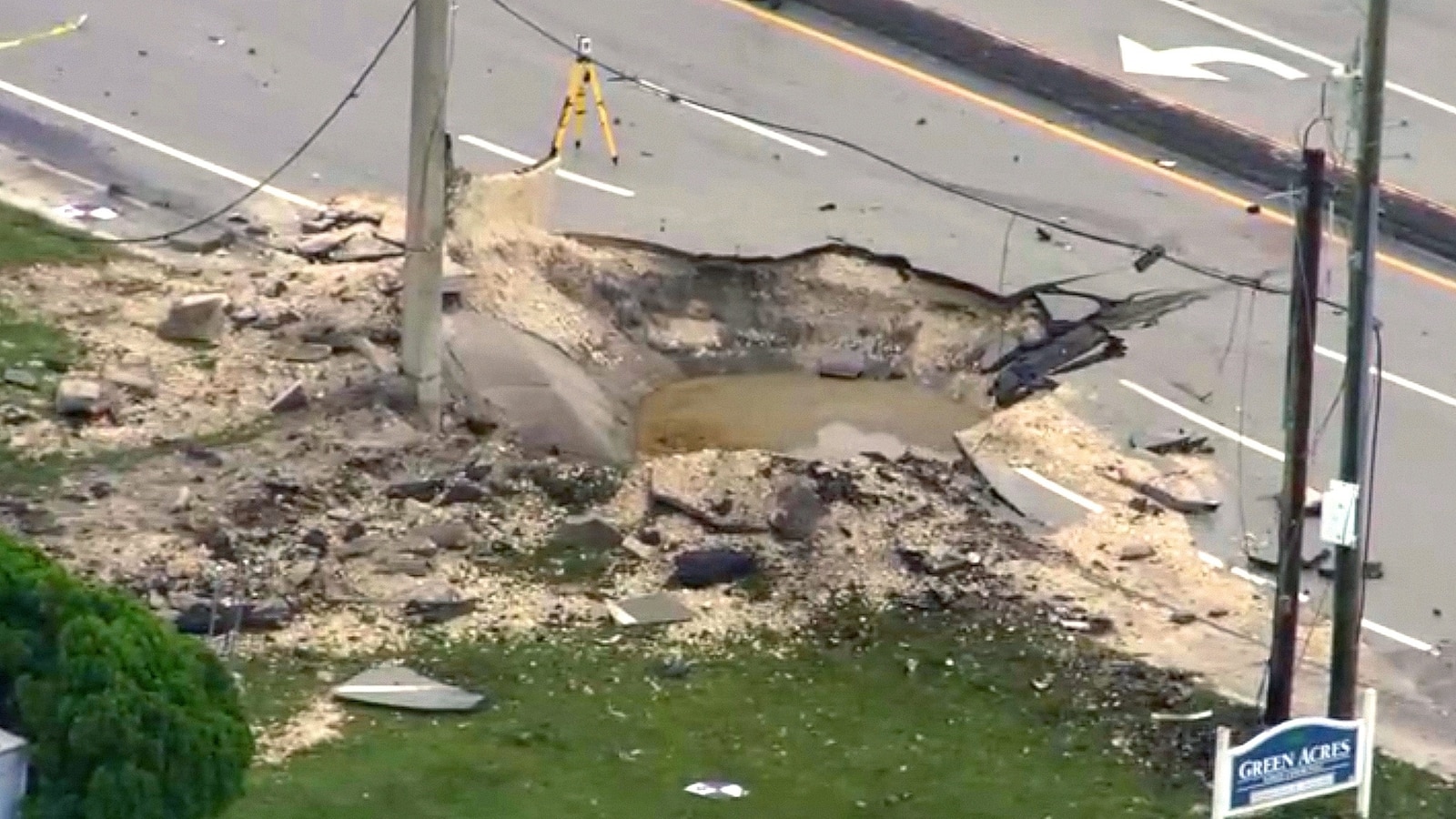
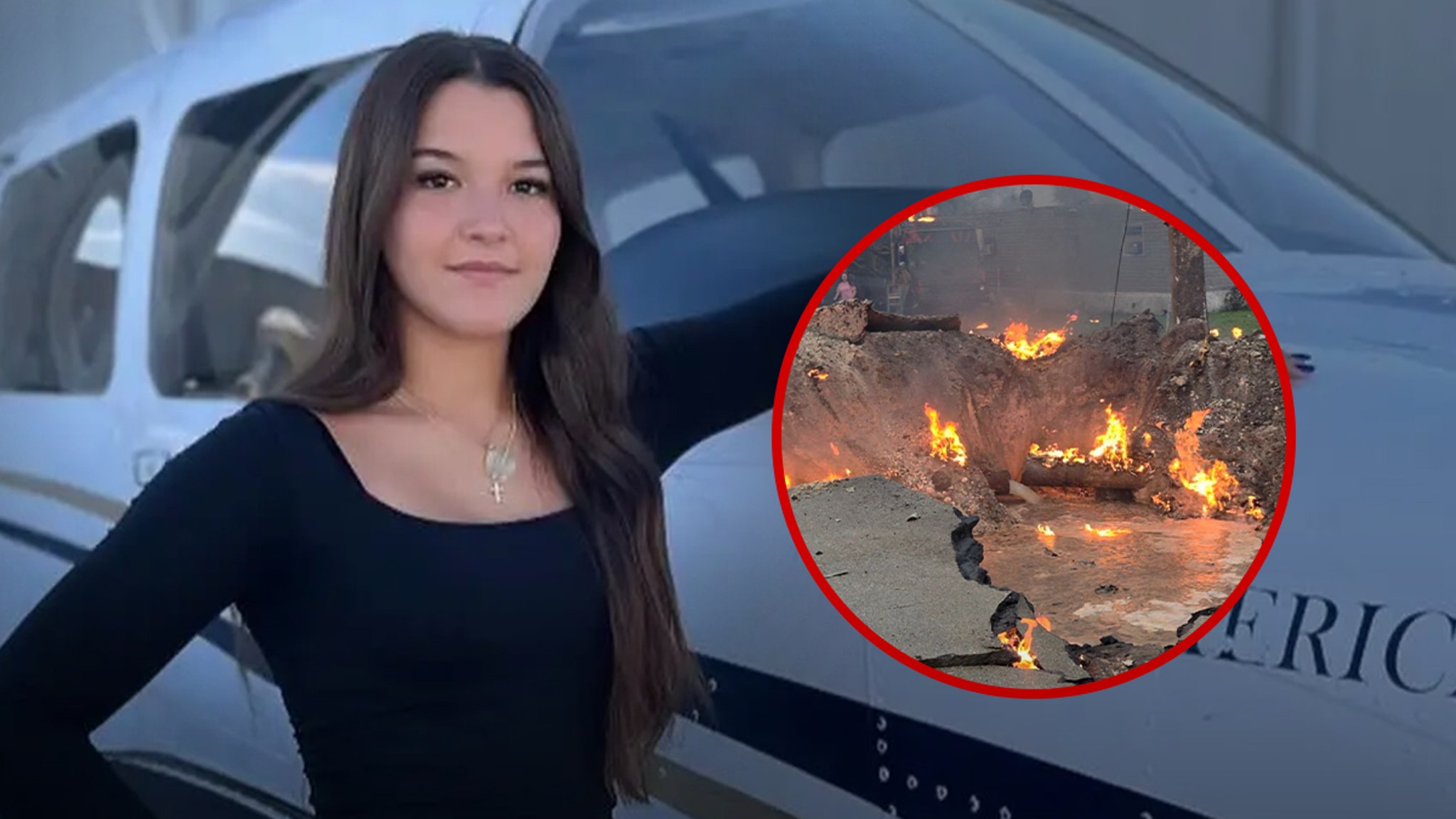
- Learjet crash in Florida kills nine people.
- The NTSB has provided updates on the crash investigation, revealing that investigators have "some evidence that there was some breakup of the aircraft before impact."
- Former fighter pilot Matthew "Whiz" Buckley analyzed the crash, suggesting that the crew's attempt to climb to higher altitude, combined with weather and potential breakage, could have resulted in a steep nosedive, referencing the aviation term "coffin corner".
Former fighter pilot Matthew Buckley has provided insights into the NTSB's ongoing investigation into a deadly Learjet crash, emphasizing the dangers of icing and potential structural failure. The Learjet 60, Buckley notes, is not designed to handle icy conditions, which can drastically alter its aerodynamics.2
The NTSB reported that the jet took off from ABIA at approximately 10:37 Eastern Time and encountered light clear ice and moderate turbulence at 35,000 feet. Just moments later, the crew requested to climb to 37,000 feet, but shortly thereafter, they transmitted a mayday call, indicating they were in an overspeed condition and descending rapidly.
“Icing is deadly,” Buckley stated, explaining that even minor ice buildup can affect stall speed and overall aircraft performance. He also pointed out that there is evidence suggesting the aircraft may have experienced breakup before impact, with indications that the horizontal stabilizer was missing.
Buckley elaborated on the implications of the crew's attempt to gain altitude, suggesting it could have led to a steep nosedive. “You can exceed the max operating speed of this airplane trying to get more lift over the wings,” he explained, warning that this could lead to catastrophic failure. The NTSB has yet to confirm the crash's cause, and the investigation remains active.
“Buckley notes the Learjet 60's wing was not designed for ice buildup, altering aerodynamics and stall speed. He also references the 'coffin corner,' where adding power fails to provide lift, causing the aircraft to fall like a brick.”


 KEYE