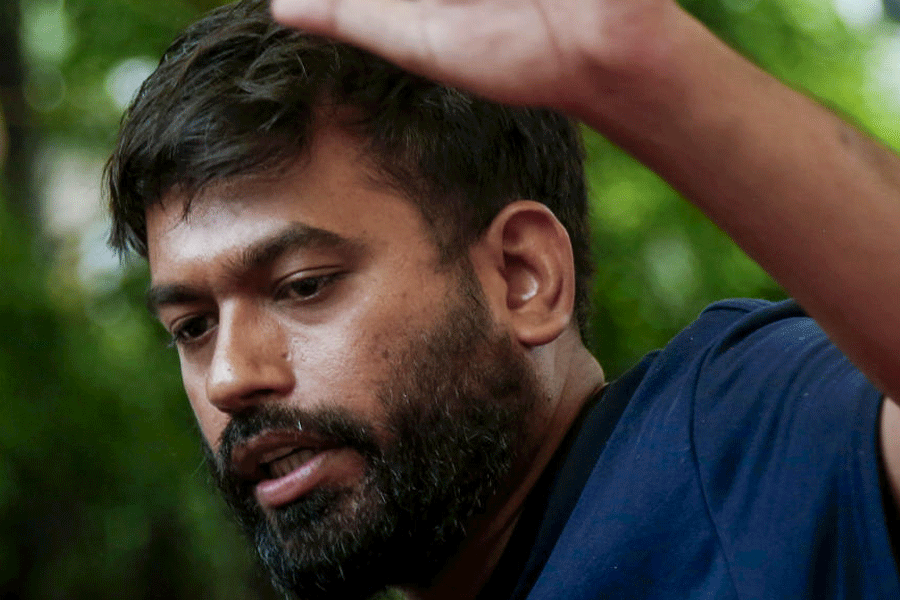
- Navdeep Puri, a former Indian diplomat, has faced difficulties in establishing his citizenship during Punjab's Special Intensive Revision (SIR) as his details reportedly do not match with 2003 records.
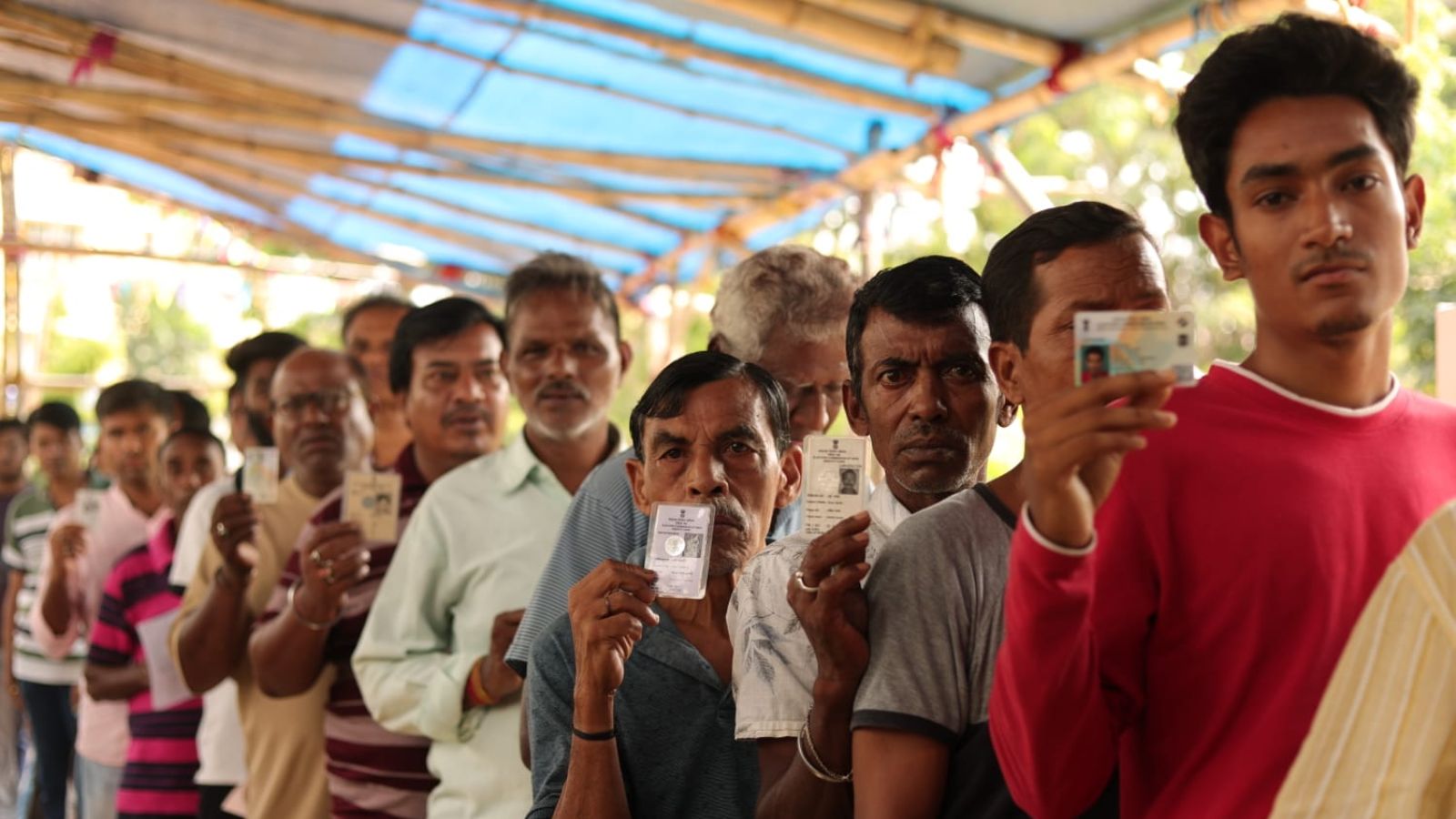
- Puri submitted his voter ID and Aadhaar card to the Booth Level Officer (BLO) and was initially assured that everything was in order, but later received a message indicating that some details do not match with SIR in 2003.
- After being informed that his documents do not match, Puri was asked to return with unspecified documents proving his Indian citizenship, and since he was not in India in 2003, he was requested to submit his passport as proof.
- Puri expressed concern about the implications of his situation, questioning, "If I have trouble establishing my citizenship after representing India in three countries, what's the fate of the common citizen?"
- As of now, the Election Commission of India, the state government, or the Centre have not issued any official statements regarding this matter.
- The Special Intensive Revision (SIR) was first introduced in Bihar in June 2025, resulting in the removal of over 60 lakh voters from the electoral rolls.
- In West Bengal, 90 lakh voters were deleted from the electoral rolls prior to the assembly election.
- The Draft Electoral Roll, 2026 for all 117 assembly constituencies in Punjab was published last week as part of the SIR 2026 process.
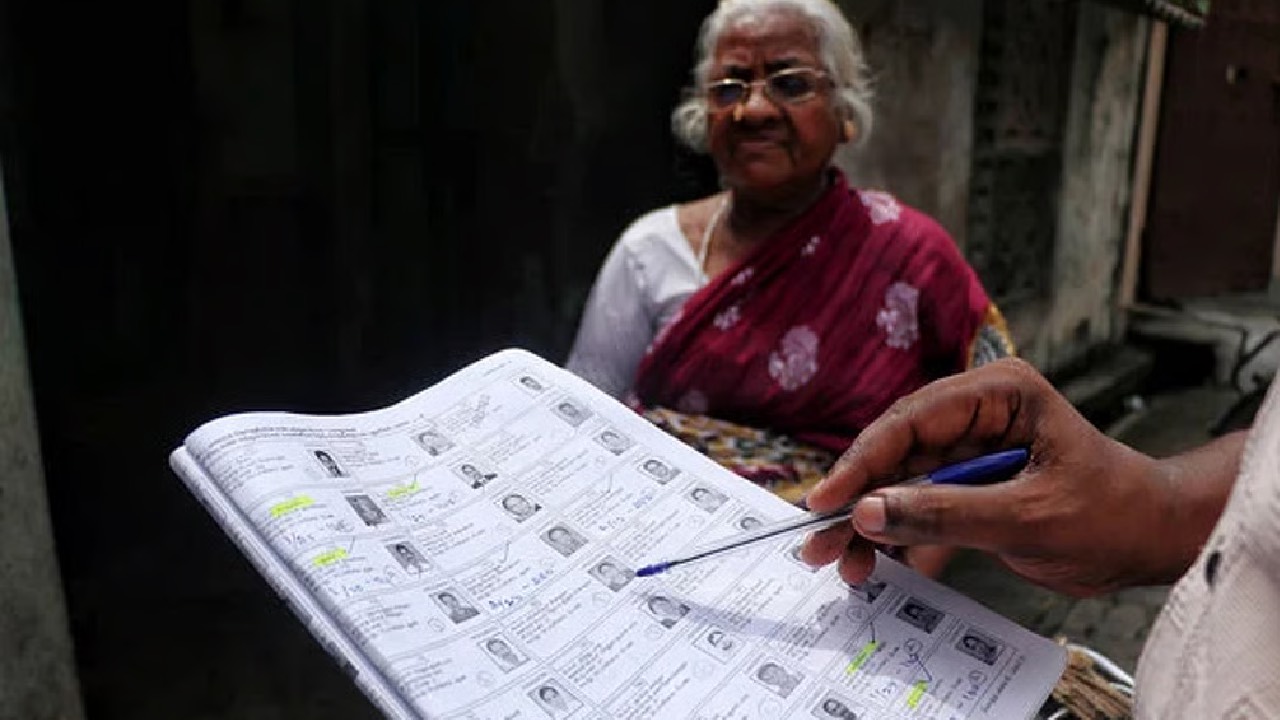
- The house-to-house enumeration phase of the SIR exercise in Punjab was conducted between June 25 and August 3, aimed at updating and sanitising the electoral rolls.
Former Indian diplomat Navdeep Puri, who represented India in Egypt, UAE, and Australia, is facing challenges with the Special Intensive Revision (SIR) of electoral rolls in Punjab. After submitting his Voter ID and Aadhaar card, he was informed that his details from 2003 do not match.126
Puri shared his experience on social media, stating, “If I have trouble establishing my citizenship after representing India in three countries, what’s the fate of the common citizen?” He was asked to provide additional documentation, including his passport, to prove his citizenship, despite already submitting his voter ID and Aadhaar.34
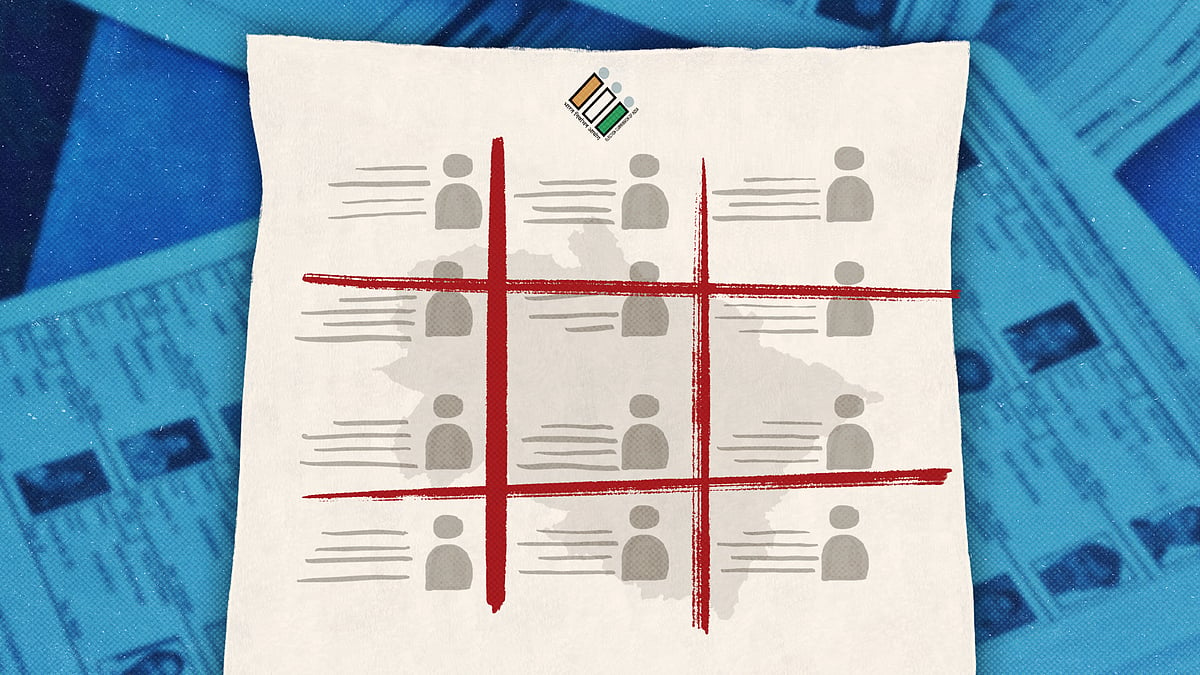
The SIR process, which began in Punjab, aims to update electoral rolls but has raised concerns about transparency and the potential removal of millions of names. The Election Commission of India (ECI) has faced scrutiny over its methods, especially after the Supreme Court emphasized the need for adherence to principles of transparency and natural justice.5
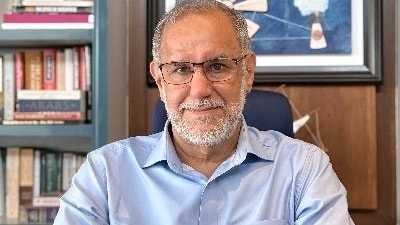
Puri's situation highlights broader issues within the electoral process, as he noted the irony of his predicament given his diplomatic background. The ECI has yet to comment on the matter, leaving many, including AAP leader Somnath Bharti, worried about the implications for ordinary citizens.
The Draft Electoral Roll for Punjab was published recently, marking the start of a process that allows for claims and objections until October 8, 2026, with final rolls due on October 12, 2026.
“Puri, who served in Egypt, UAE, and Australia from 1983 to 2019, was asked to submit his passport as proof since he was not in India in 2003. The SIR requires documentary proof linking voters to legacy rolls, and over 60 lakh voters were removed in Bihar after its introduction.”